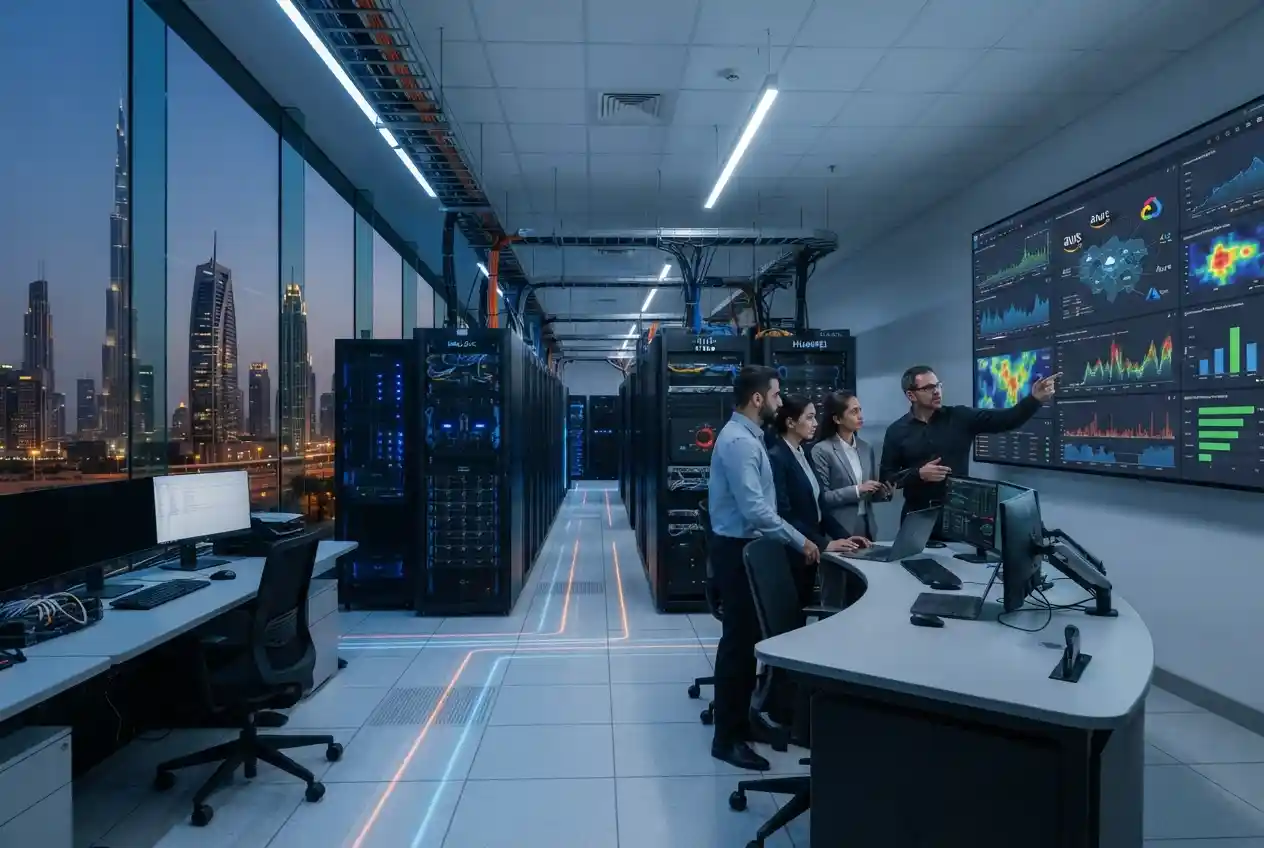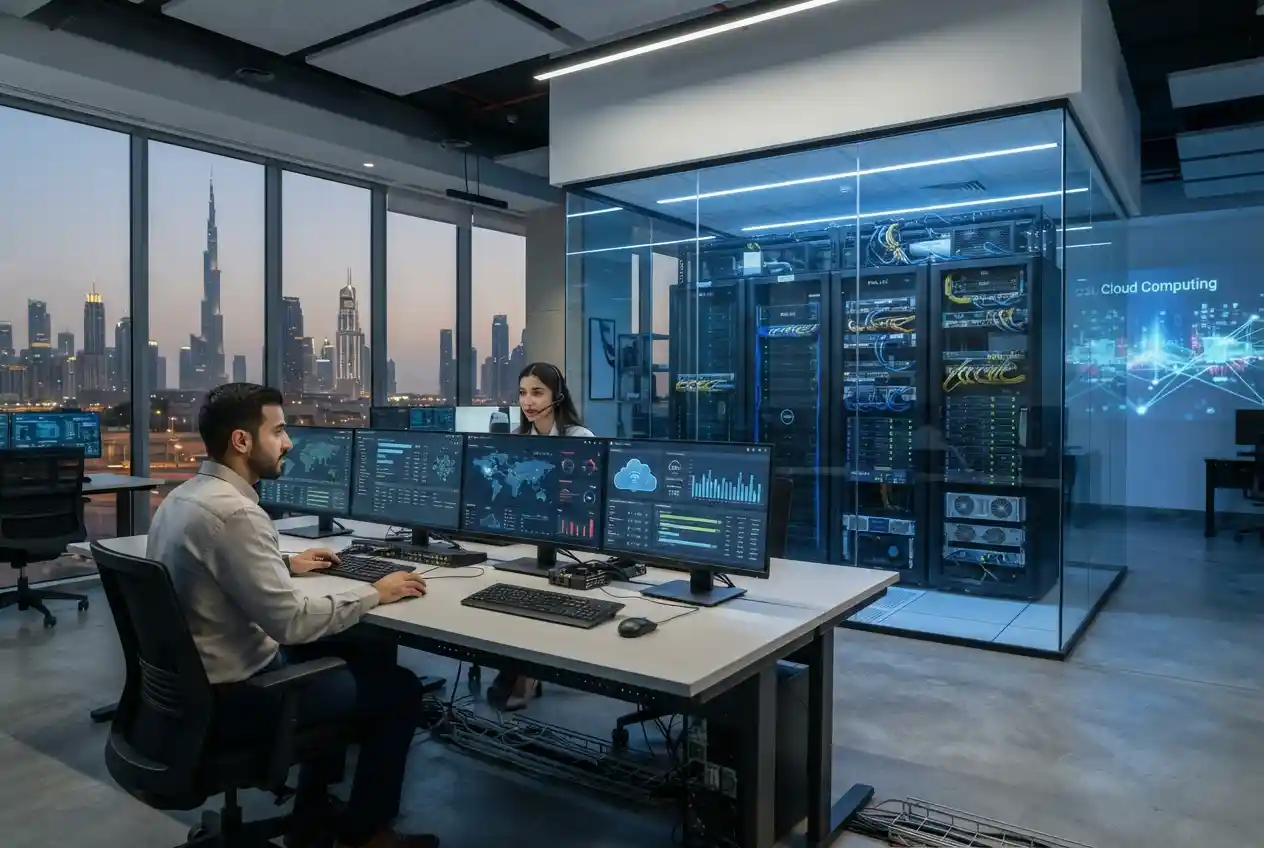









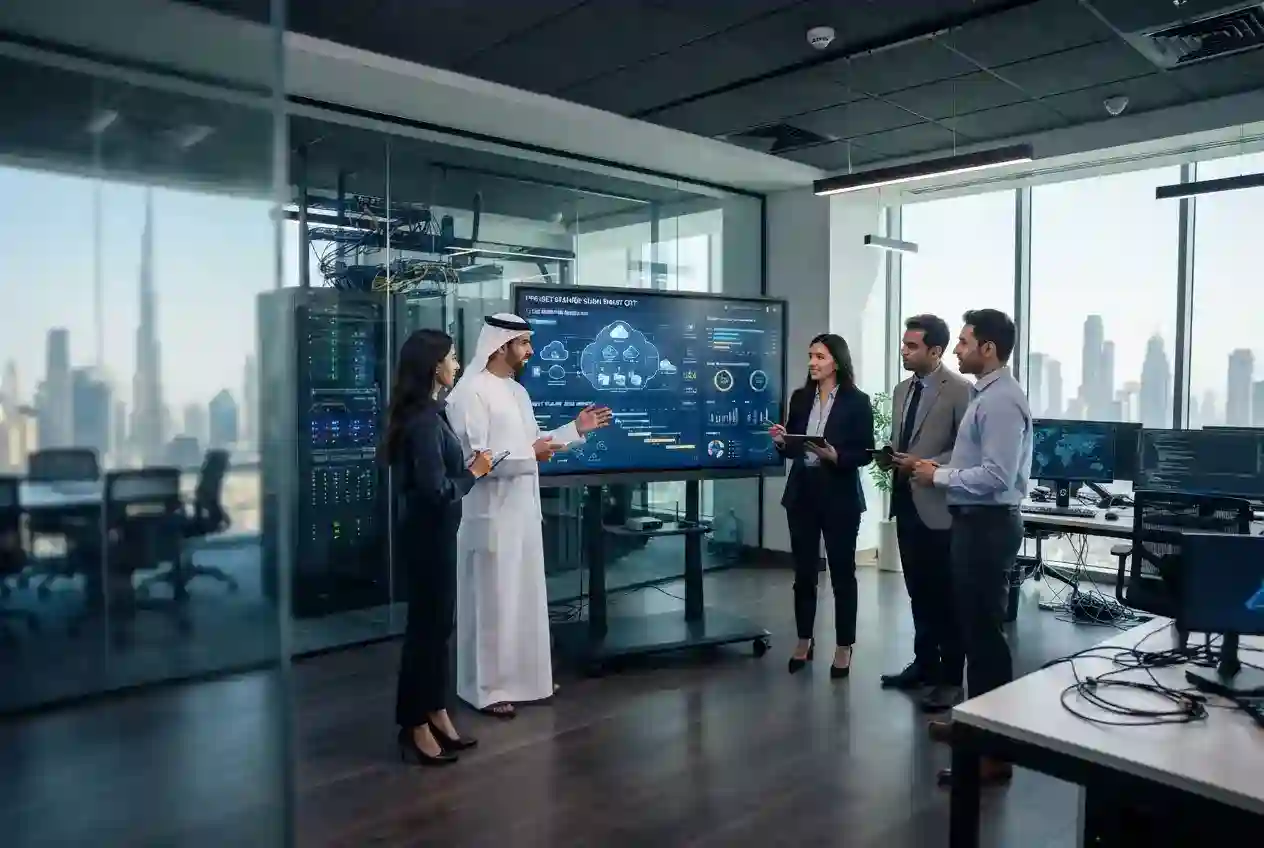
Quantix technology projects are part of a broader conversation around technology implementation, digital transformation, and project-based innovation. For businesses in the UAE, technology projects can range from upgrading IT infrastructure and deploying cloud systems to implementing cybersecurity platforms, automation, artificial intelligence, data solutions, and customer-facing digital applications.
The success of a technology project depends on much more than choosing modern software or hardware. Organizations need clear objectives, realistic requirements, suitable technology, experienced implementation teams, effective project management, security controls, and a plan for long-term support.
Businesses researching Quantix technology projects can therefore benefit from understanding how technology projects should be evaluated, planned, implemented, and maintained in a modern business environment.
What Are Quantix Technology Projects?
Quantix technology projects is a company- or project-specific search term that may refer to a particular technology organization or group of initiatives. Because company names can change, overlap, or be used by different organizations, businesses should verify the exact identity of any provider before relying on company-specific information.
More broadly, technology projects involve the planned implementation, improvement, integration, or replacement of digital systems. They can address a specific business problem or form part of a larger digital transformation program.
The project may involve one technology or several interconnected systems. A cloud migration, for example, could also require cybersecurity changes, network upgrades, data migration, employee training, and application integration.
Why Technology Projects Matter
Technology projects can help organizations improve efficiency, modernize outdated systems, strengthen security, improve customer experiences, and create new digital capabilities.
However, technology should support business objectives rather than become the objective itself. A project is more likely to succeed when its expected outcome is clearly defined before technical specifications are selected.
For example, a company might implement automation to reduce repetitive administrative work, rather than simply adopting automation because it is an emerging technology trend.
Common Types of Technology Projects
IT Infrastructure Projects
Infrastructure projects can involve servers, networking equipment, storage, wireless systems, data centers, structured cabling, power systems, and workplace technology.
These projects often provide the foundation for other digital services, making careful planning particularly important.
Cloud Migration Projects
Organizations may move applications, databases, storage, or other workloads into cloud environments. Migration projects require assessment of application dependencies, security, data governance, performance, costs, and business continuity.
Some businesses may benefit from a hybrid model in which certain systems remain in dedicated environments while other workloads use cloud infrastructure.
Cybersecurity Projects
Cybersecurity projects can include identity-management improvements, endpoint protection, network security, security monitoring, vulnerability management, backup systems, and incident-response capabilities.
Security projects should be aligned with the organization’s risk profile and operational requirements.
Software Development
Software projects can involve websites, mobile applications, customer portals, internal business systems, automation platforms, or specialized industry applications.
Clear requirements and continuous user feedback can help ensure that the final product solves the intended problem.
Artificial Intelligence Projects
AI projects can involve document processing, customer service, predictive analytics, workflow automation, search, recommendation systems, or other applications.
Successful AI implementation requires suitable data, appropriate models, testing, governance, security, and ongoing monitoring.
Quantix Technology Projects L.L.C. and Company Verification
Searches for Quantix Technology Projects L.L.C. may refer to a specific UAE company. Businesses should verify the company’s current legal name, registration information, official website, services, and operating details before making assumptions based solely on search results.
This is especially important when evaluating a provider for a major technology project. Company identity should be confirmed before signing agreements, sharing sensitive information, or granting access to business systems.
Businesses should also distinguish between company-specific information and general technology project guidance.
How to Plan a Successful Technology Project
1. Define the Business Problem
The first step is to understand why the project is needed. Businesses should identify the current problem, its operational impact, and the outcome they want to achieve.
Clear objectives help prevent unnecessary features and keep the project focused.
2. Establish Project Scope
The scope should identify what the project includes and what it does not include. This can cover systems, departments, locations, integrations, users, deliverables, timelines, and responsibilities.
A clearly defined scope can reduce misunderstandings and uncontrolled expansion during implementation.
3. Assess Existing Systems
Before implementing new technology, organizations should understand their existing infrastructure and applications. This assessment can reveal dependencies that may affect the project.
Skipping this stage can create unexpected compatibility and migration problems.
4. Select Appropriate Technology
Technology should be selected based on requirements rather than popularity. Businesses should compare functionality, compatibility, security, scalability, support, implementation complexity, and total cost.
5. Build a Realistic Timeline
Technology projects often depend on multiple teams and systems. Project schedules should account for planning, procurement, configuration, development, testing, training, deployment, and post-launch support.
6. Test Before Deployment
Testing can identify software errors, configuration problems, integration failures, performance issues, and usability concerns before a system reaches all users.
Critical systems may require multiple levels of testing, including technical, security, performance, and user acceptance testing.
Technology Project Management
Technology projects often involve business leaders, IT teams, developers, security specialists, vendors, users, and external consultants. Effective coordination between these groups is essential.
Project managers can help establish responsibilities, milestones, communication procedures, risk registers, and decision-making processes.
Regular progress reviews can also identify issues before they become expensive or difficult to resolve.
Technology Projects and UAE Businesses
UAE organizations operate across a wide range of industries, and technology projects can support many different business objectives. Retail companies may modernize e-commerce and customer systems, while logistics organizations may implement tracking and automation platforms.
Healthcare providers may focus on digital records and secure information systems, while real estate companies may invest in property platforms, customer portals, analytics, and smart-building technologies.
The appropriate technology project therefore depends heavily on the organization’s industry, size, customers, operational processes, and strategic goals.
Security Should Be Part of the Project From the Start
Security should not be added after a technology project has already been implemented. Access controls, authentication, data protection, network security, logging, monitoring, and backup requirements should be considered during project design.
Security requirements can affect architecture and implementation decisions, so addressing them early is generally more effective than trying to retrofit controls later.
Technology Supplies and Project Procurement
Some technology projects require substantial hardware and infrastructure. Businesses may need servers, network switches, routers, storage systems, displays, power equipment, security devices, and other components.
Organizations can review technology supplies and infrastructure requirements when developing procurement plans for technology projects.
Procurement should be coordinated with project timelines because delays in equipment delivery can affect installation and deployment schedules.
Measuring Technology Project Success
A technology project should have measurable success criteria. Depending on its purpose, these may include reduced processing time, lower operating costs, improved system availability, higher customer satisfaction, stronger security, increased productivity, or better data visibility.
Measuring outcomes after implementation can help management determine whether the project delivered the expected value.
It can also reveal areas requiring further optimization or training.
Common Technology Project Risks
Unclear Requirements
Projects can become difficult to manage when stakeholders have different expectations. Requirements should be documented and reviewed before implementation begins.
Scope Creep
Additional requests can gradually increase project complexity. Changes should be evaluated according to cost, timeline, business value, and technical impact.
Poor Integration
A new platform may perform well independently but create problems if it does not integrate properly with existing systems.
Insufficient Training
Employees need to understand how to use new systems. Training and change management should therefore be included in the project plan.
Weak Post-Launch Support
Deployment does not mean the project is finished. Businesses should have a support and maintenance strategy for the period after launch.
The Future of Technology Projects
Technology projects are becoming increasingly interconnected. Artificial intelligence, cloud computing, automation, cybersecurity, analytics, and connected devices often overlap within a single transformation initiative.
This means future projects may require broader collaboration between technical and business teams. Organizations will need to evaluate not only whether technology works but also how it affects employees, customers, data, security, and long-term business strategy.
Modular and scalable architectures are likely to remain important because they allow businesses to adapt technology environments as requirements change.
Last Thoughts
Quantix technology projects can be understood within the wider landscape of technology implementation and digital transformation. Whether an organization is upgrading infrastructure, adopting cloud computing, implementing cybersecurity, developing software, or experimenting with artificial intelligence, careful project planning is essential.
For UAE businesses, successful technology projects should begin with clear objectives and continue through structured planning, technology selection, testing, deployment, training, and ongoing support.
Organizations that treat technology projects as strategic business initiatives rather than isolated IT purchases can create stronger foundations for long-term digital growth. As the UAE technology ecosystem continues to develop, disciplined project management will remain essential for turning new technology into practical business value.
External link opportunity: Organizations seeking general project management guidance can explore the Project Management Institute’s learning resources for broader project planning and delivery principles.