








Technology supplies are now a fundamental part of running a modern business in the UAE. From computers and networking equipment to connectivity hardware, power systems, security devices, and workplace accessories, organizations depend on a wide range of technology products to keep everyday operations running efficiently.
As businesses expand their digital infrastructure, choosing the right technology supplies becomes more than a purchasing decision. Equipment needs to be compatible, reliable, secure, scalable, and appropriate for the environment in which it will be used. A poor choice can lead to compatibility issues, downtime, unnecessary replacement costs, or difficult maintenance.
For companies investing in digital transformation, understanding the different categories of technology supplies can make procurement more strategic. It can also help businesses create technology environments that support productivity today while remaining flexible enough for future requirements.
What Are Technology Supplies?
Technology supplies include the hardware, equipment, accessories, components, and supporting products used to build, operate, maintain, and upgrade technology systems. The category is broad because different organizations have very different technical requirements.
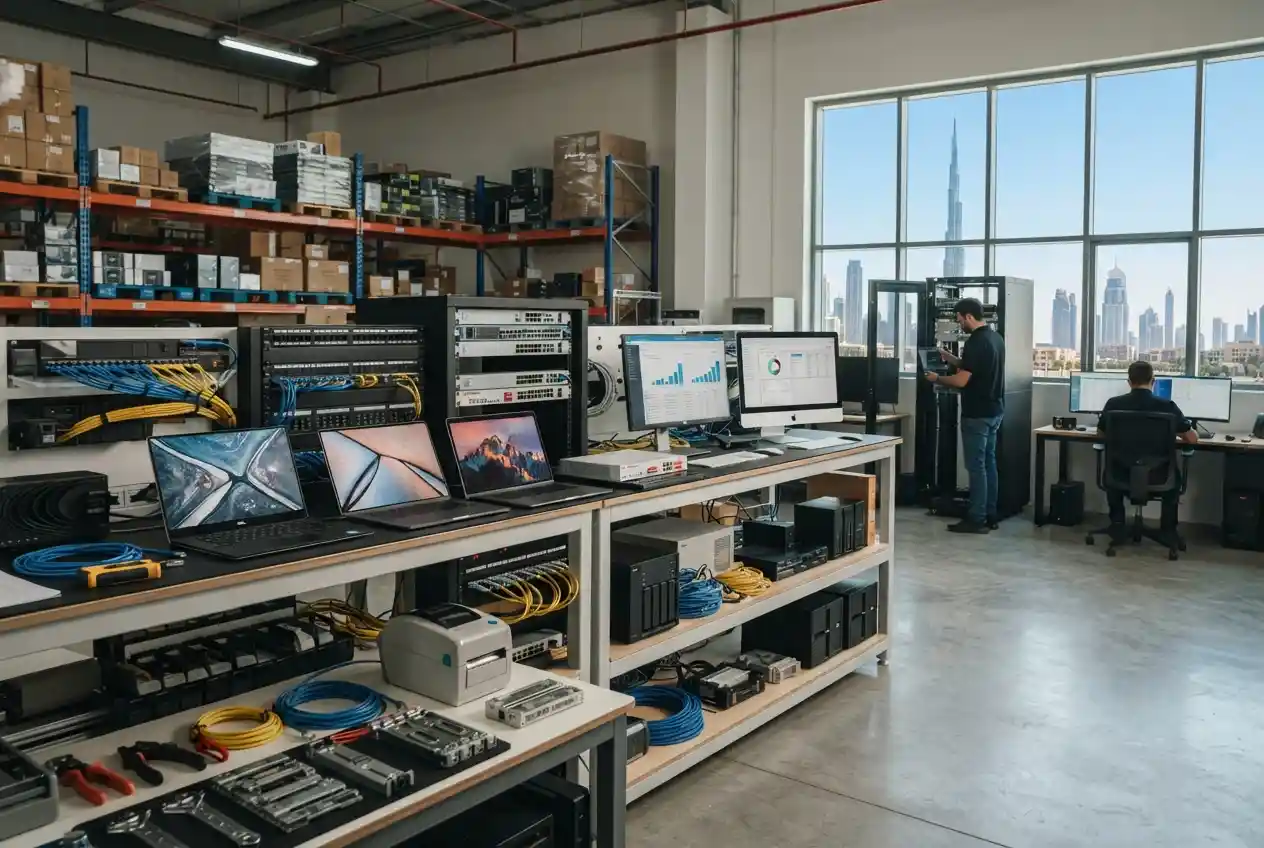
A small office may primarily need computers, printers, routers, displays, storage devices, and accessories. A large organization could require enterprise networking equipment, servers, power protection, surveillance systems, structured cabling, specialist industrial components, and replacement parts.
Technology supplies can therefore range from everyday workplace equipment to highly specialized infrastructure products.
Common Types of Technology Supplies
Computing Equipment
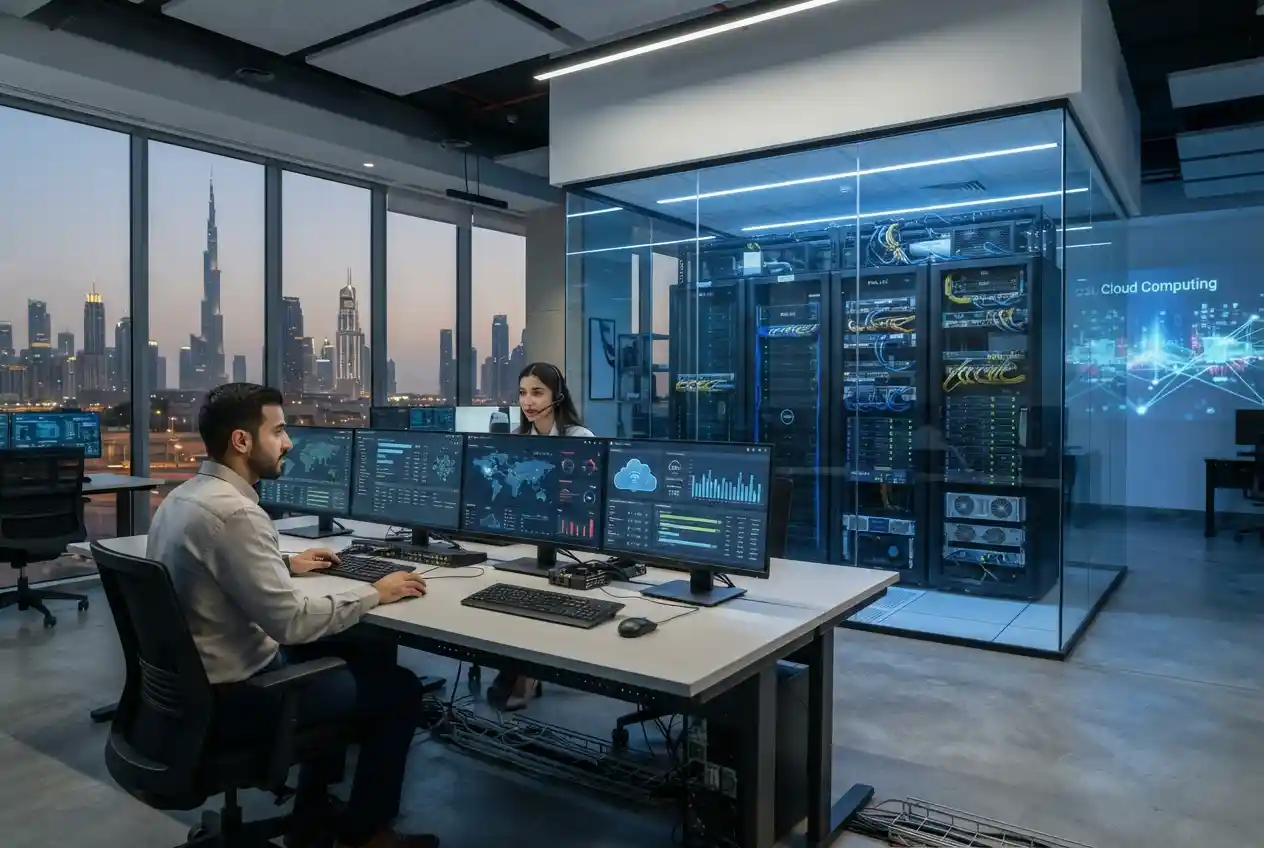
Computers remain one of the most important technology investments for many businesses. Depending on the workforce and workload, organizations may require desktops, laptops, workstations, servers, monitors, docking stations, and related accessories.
The right equipment depends on how employees work. Office productivity users may have different requirements from designers, engineers, developers, data analysts, or other professionals running resource-intensive applications.
Networking Equipment
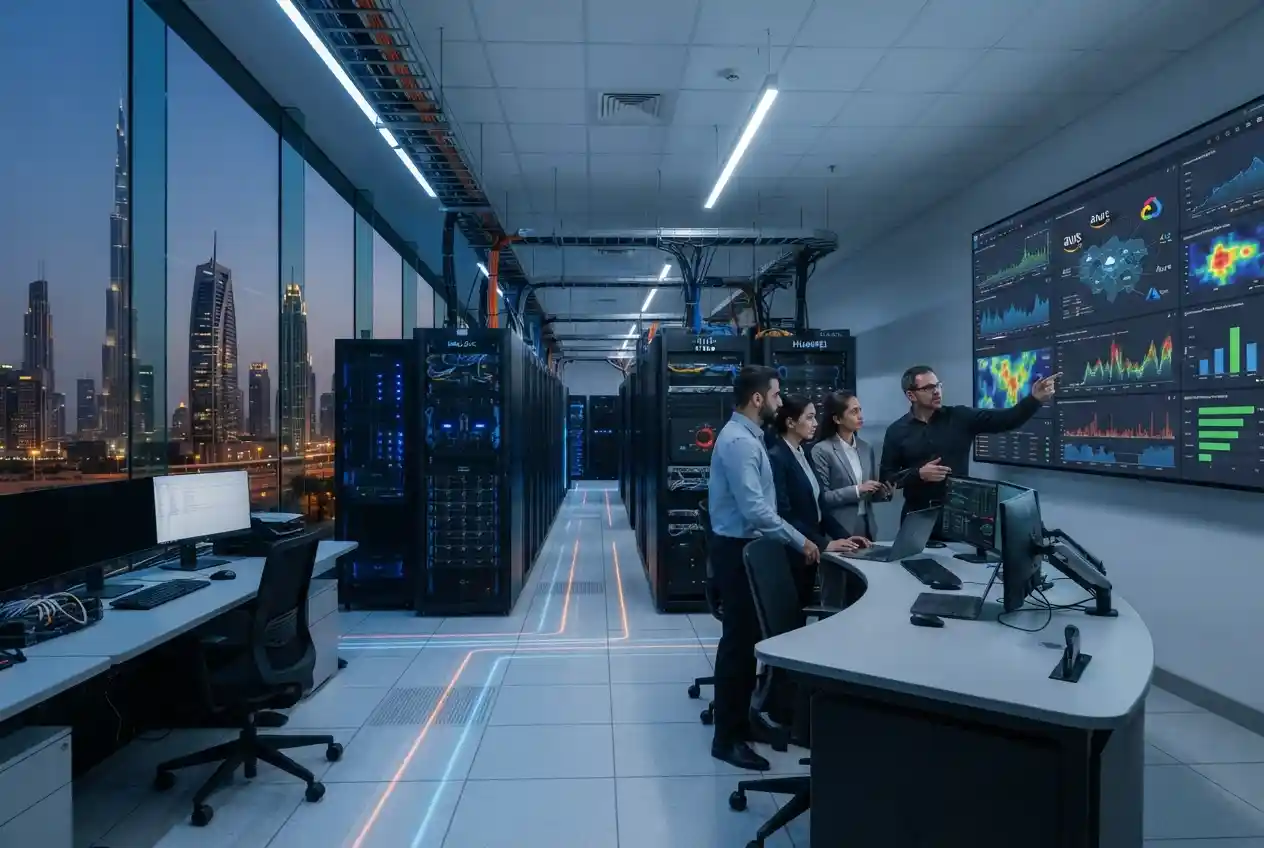
Reliable connectivity is essential for modern organizations. Technology supplies in this category can include routers, switches, wireless access points, network security appliances, structured cabling components, and connectivity accessories.
A well-planned network helps employees access cloud applications, internal systems, communication platforms, and shared resources without unnecessary interruptions.
Storage and Data Equipment
Businesses increasingly depend on digital information, making storage another important technology supply category. Organizations may use network-attached storage, backup devices, storage arrays, external drives, and other data-management equipment.
Storage decisions should take into account capacity, performance, redundancy, security, backup requirements, and future growth rather than focusing only on the initial purchase price.
Power and Infrastructure Products
Technology equipment needs dependable power and physical infrastructure. Uninterruptible power supplies, power distribution equipment, racks, cooling solutions, and related infrastructure products can help protect important systems and create an organized technical environment.
For larger installations, infrastructure planning becomes especially important because equipment performance can be affected by power quality, heat, space, and environmental conditions.
Security Technology
Technology supplies can also include surveillance cameras, access control equipment, alarms, monitoring devices, and related security hardware. Businesses may integrate these systems with their wider IT infrastructure depending on their operational requirements.
Security equipment should be selected with attention to reliability, access permissions, storage requirements, system compatibility, and ongoing maintenance.
Why Quality Technology Supplies Matter
The quality of technology equipment can directly affect business continuity. A low-cost component that fails frequently may ultimately cost more through downtime, replacement, troubleshooting, and lost productivity.
Reliable supplies can also make IT management easier. Standardized equipment across departments or locations may simplify maintenance, employee support, spare-parts management, and future upgrades.
Businesses should therefore consider the complete lifecycle of technology products rather than evaluating a purchase solely by its upfront cost.
Technology Supplies for UAE Businesses
The UAE has a diverse business environment that includes startups, professional service companies, retailers, logistics operators, manufacturers, property businesses, hospitality organizations, educational institutions, and large enterprises. Each sector can have different technology supply requirements.
A growing startup may prioritize flexible laptops, cloud connectivity, wireless networking, and collaboration equipment. A warehouse may require rugged devices, connectivity systems, barcode equipment, surveillance, and specialized infrastructure. A corporate headquarters could require enterprise networking, conference technology, access control, and managed IT equipment.
This makes requirements assessment an important first step before purchasing technology supplies.
How to Choose the Right Technology Supplies
Assess the Actual Requirement
Start by identifying what the equipment needs to accomplish. Avoid purchasing products simply because they have advanced specifications. A system that exceeds operational requirements can increase costs without providing meaningful benefits.
Check Compatibility
Compatibility should be evaluated before purchasing hardware or infrastructure components. New equipment should work with existing operating systems, applications, networks, power systems, and other relevant infrastructure.
Consider Scalability
Businesses rarely remain exactly the same size. Technology supplies should ideally support future expansion. This is particularly important for networking equipment, storage infrastructure, servers, and other components that may become difficult or expensive to replace later.
Evaluate Reliability
Reliability matters especially when technology supports critical business processes. Procurement teams should consider product quality, manufacturer reputation, warranty terms, support arrangements, and replacement availability.
Think About Security
Connected equipment can create security considerations that should not be overlooked. Businesses should review access controls, firmware updates, authentication features, network segmentation, and other relevant protections before deploying new technology.
Technology Supplies and Industrial Infrastructure
Not all technology supplies are designed for office environments. Industrial organizations often require specialized electrical, automation, control, and power-management components that must operate under demanding conditions.
This is where specialist suppliers and engineering companies can become particularly important. Businesses working with industrial infrastructure may encounter products associated with switchgear, electrical protection, control systems, automation, and power distribution.
Companies researching terms such as super technology switchgear or super technology switchgear industry should distinguish between general technology procurement and specialized electrical infrastructure. Switchgear belongs to a technical area where product selection, system design, installation, testing, and maintenance can require specialized expertise.
Technology Supplies for Smart Workplaces
The modern workplace is increasingly connected. Meeting rooms may use interactive displays, wireless presentation systems, video conferencing equipment, room-booking platforms, and smart control systems.
These technologies can improve collaboration when they are integrated properly. However, businesses should avoid creating isolated systems that require employees to learn multiple complicated interfaces.
A better approach is to design the workplace technology around how employees actually communicate, collaborate, and access information.
Technology Procurement and Total Cost of Ownership
Price is an important consideration, but it should not be the only factor used to compare technology supplies. Businesses should consider total cost of ownership, which can include installation, configuration, maintenance, software licensing, energy use, technical support, replacement parts, and eventual disposal or upgrade costs.
A slightly more expensive product may provide better value if it lasts longer, requires less maintenance, integrates more easily, or includes stronger support.
Procurement teams should also establish standards for frequently purchased equipment. Standardization can reduce the complexity of supporting multiple product models and make future purchasing more predictable.
Working With Technology Suppliers
The supplier relationship can be as important as the equipment itself. Businesses should look for suppliers that understand their requirements and can provide appropriate technical information rather than simply offering a product catalogue.
For larger projects, businesses may need assistance with product selection, system design, installation, configuration, testing, maintenance, and replacement planning.
It is also useful to verify warranty coverage, delivery arrangements, technical support, return policies, and product availability before committing to a large procurement order.
Technology Supplies and Digital Transformation
Technology procurement increasingly forms part of wider digital transformation projects. Businesses may upgrade their physical infrastructure while simultaneously adopting cloud services, artificial intelligence, cybersecurity platforms, automation, and data analytics.
For this reason, technology supplies should be considered within the organization’s wider technology roadmap. Businesses exploring technology projects in the UAE can benefit from planning hardware and infrastructure purchases alongside software and operational objectives.
This approach reduces the risk of buying equipment that later becomes difficult to integrate with the organization’s evolving digital environment.
Emerging Trends in Technology Supplies
Technology supply requirements continue to change as businesses adopt new digital tools. Cloud computing reduces reliance on some traditional infrastructure, while edge computing, connected devices, artificial intelligence, automation, and smart building systems create demand for different types of hardware.
Energy efficiency is another consideration. Organizations increasingly want equipment that delivers strong performance without unnecessarily increasing energy consumption.
Modular and scalable infrastructure is also becoming more valuable because businesses need to adapt technology environments without completely replacing existing systems.
Building a More Efficient Technology Environment
The best technology supply strategy is not necessarily the one with the largest number of products. It is the one that creates a reliable technology environment aligned with business needs.
Organizations can begin by auditing their existing equipment, identifying outdated or unsupported components, documenting compatibility requirements, and prioritizing systems according to business importance.
From there, procurement teams can create technology standards and replacement schedules. This makes technology spending more predictable and helps reduce emergency purchases caused by unexpected equipment failures.
Key Takeaways
Technology supplies form the physical foundation of many modern business operations. From computers and networking equipment to storage, security systems, power infrastructure, and specialized industrial components, the right equipment can support productivity, reliability, and long-term digital growth.
For UAE businesses, the key is to select technology supplies according to genuine operational requirements rather than simply chasing specifications or the lowest price. Compatibility, security, scalability, support, reliability, and total cost of ownership all deserve attention.
As organizations continue investing in global technology trends and solutions, a carefully planned technology supply strategy can help create an infrastructure that is ready for both current workloads and future digital transformation.
External link opportunity: Businesses researching technology infrastructure and procurement can explore guidance and industry resources from Cisco’s small business technology resources.