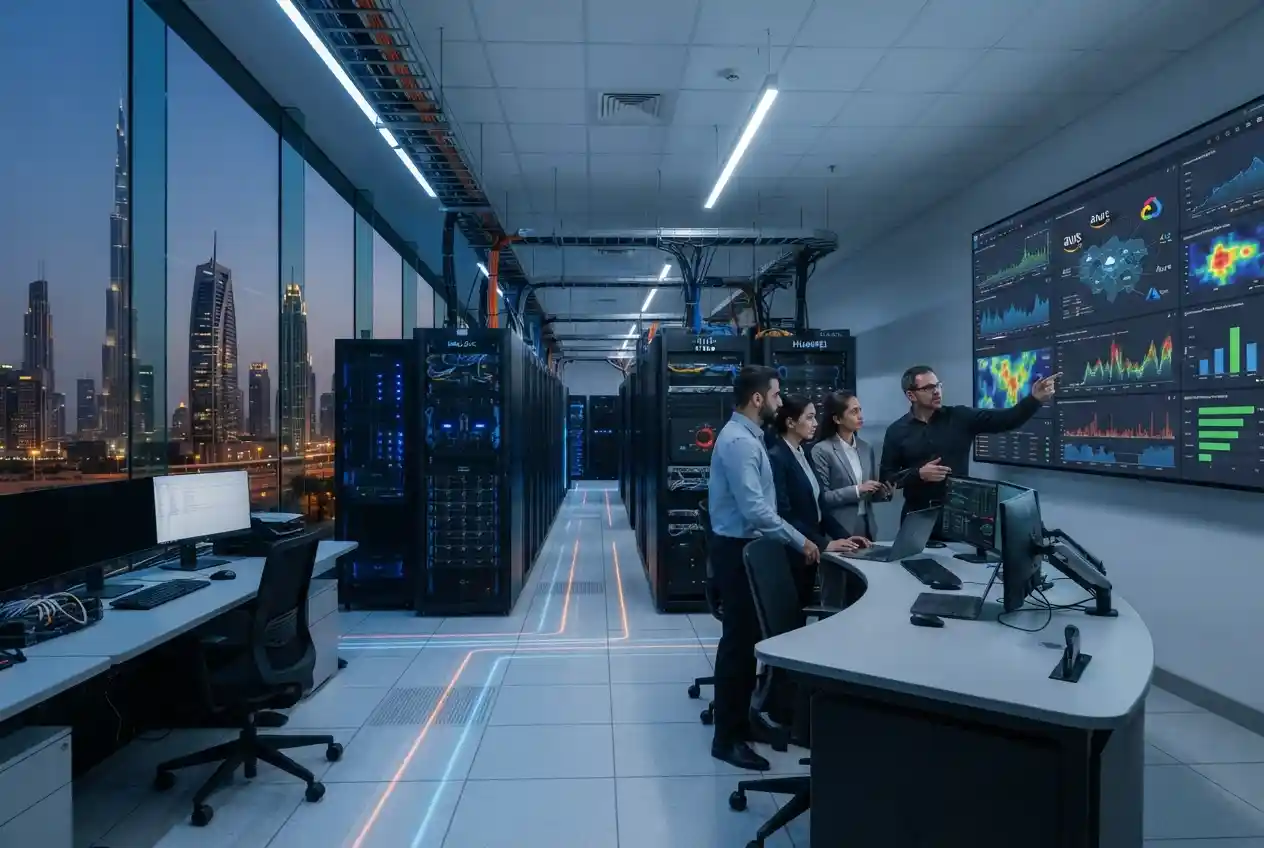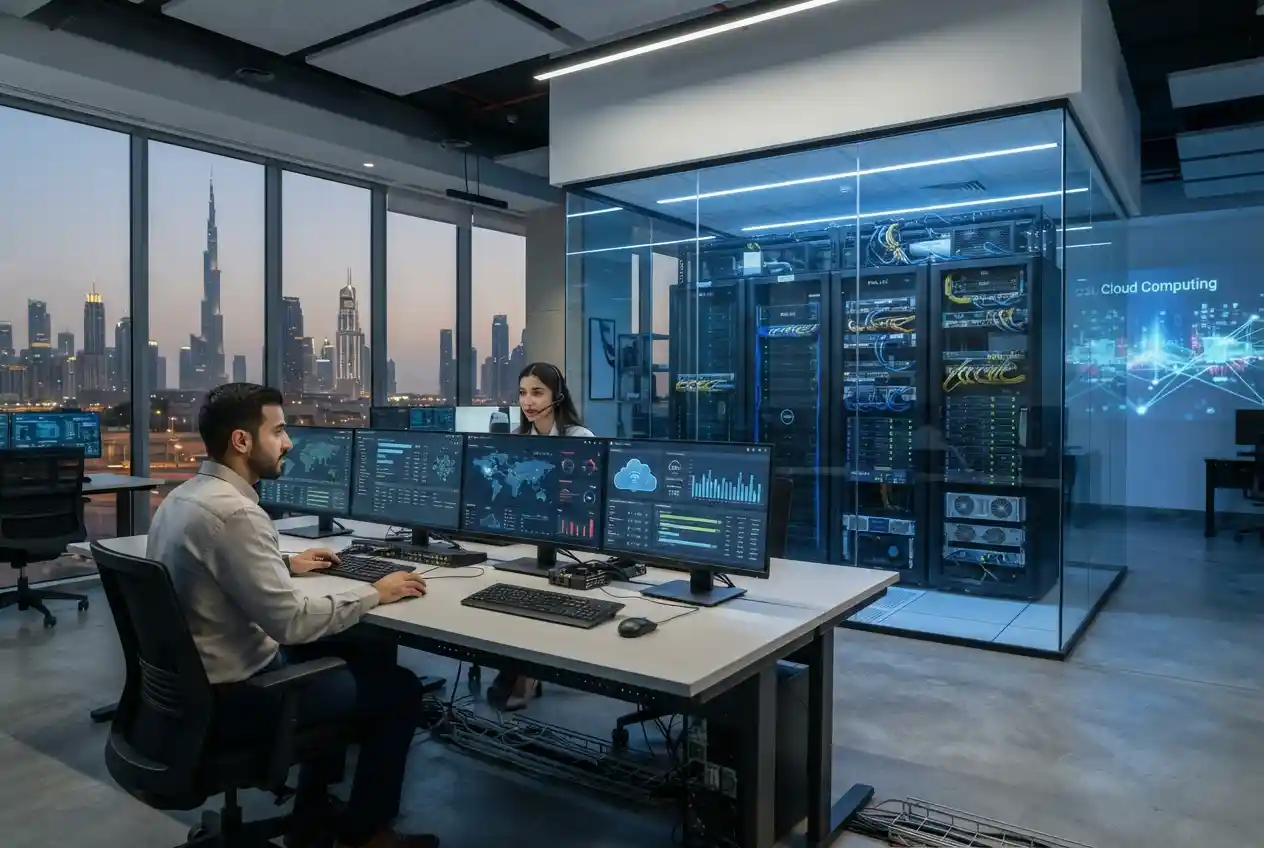









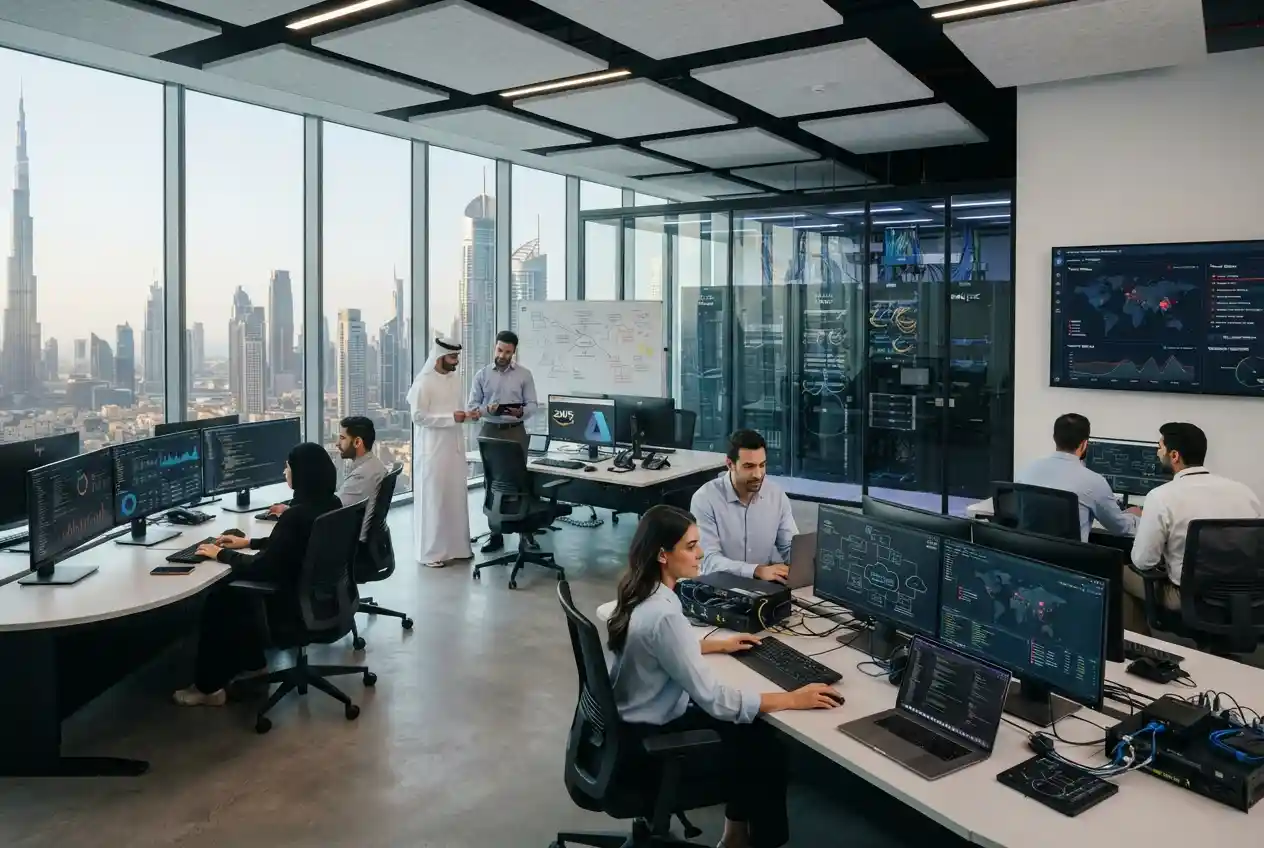
Grand technology resources can be understood as part of the wider ecosystem that helps organizations build, operate, and improve their digital capabilities. Modern businesses depend on far more than computers and software. They need skilled technology professionals, reliable infrastructure, quality data, cybersecurity controls, cloud services, digital tools, and practical knowledge to keep their operations competitive.
For businesses in the UAE, access to the right technology resources can make a significant difference. Companies are increasingly adopting cloud platforms, artificial intelligence, automation, data analytics, connected systems, and digital customer experiences. However, technology delivers value only when organizations have the resources and expertise required to implement and manage it effectively.
This makes technology resources an important part of strategic planning, particularly for businesses preparing for growth or undertaking digital transformation.
What Are Grand Technology Resources?
Grand Technology Resources may refer to a specific organization or technology-related business name, depending on the context in which the term is used. Businesses researching a particular company should verify its official identity, current services, legal information, and operating details before making commercial decisions.
In a broader sense, technology resources include the people, infrastructure, software, hardware, data, knowledge, services, and financial investment required to operate an effective technology environment.
Understanding these resources helps businesses move away from viewing technology as a collection of individual products and toward treating it as an interconnected business capability.
Why Technology Resources Matter
Businesses can purchase advanced technology and still struggle to achieve results if they lack the resources needed to manage it. A cloud platform requires trained users and administrators. An AI system needs suitable data and governance. A cybersecurity solution requires monitoring and appropriate response processes.
Technology resources therefore support the entire lifecycle of digital systems, from planning and implementation to maintenance, optimization, and eventual replacement.
Organizations that invest in both technology and the people who operate it are generally better positioned to adapt as business requirements change.
Key Types of Technology Resources
Technology People
People are one of the most important technology resources in any organization. IT specialists, developers, cybersecurity professionals, data analysts, system administrators, engineers, project managers, and technology leaders all contribute to digital operations.
Even highly automated environments require people to design systems, monitor performance, manage security, troubleshoot problems, and make strategic decisions.
Hardware Infrastructure
Technology infrastructure can include computers, servers, storage systems, networking equipment, displays, power systems, security devices, and specialized hardware.
The exact requirements depend on the organization. A small business may operate largely through cloud services, while a larger enterprise may maintain significant physical infrastructure.
Software
Software enables organizations to perform business functions such as accounting, customer management, communication, collaboration, analytics, project management, and automation.
Businesses should regularly review their software environment to identify unnecessary duplication, outdated applications, security risks, and opportunities for integration.
Data
Data has become an important business resource. Customer information, transaction records, operational data, financial information, and analytical datasets can support decision-making and automation.
However, data only becomes valuable when it is accurate, accessible to authorized users, properly protected, and used for appropriate purposes.
Cloud Services
Cloud services provide flexible access to computing resources, storage, applications, databases, and other digital capabilities. They can help businesses scale technology according to demand.
Cloud adoption still requires careful planning around security, costs, performance, access management, and data governance.
Knowledge and Documentation
Technology knowledge is often overlooked as a business resource. Documentation covering system architecture, configurations, access procedures, troubleshooting steps, and business continuity can help organizations maintain systems even when personnel or technologies change.
Technology People and the Digital Workforce
The phrase technology people highlights an important reality: digital transformation is ultimately implemented by people.
Technology teams need a combination of technical and business skills. Developers may understand software, but they also need to understand user requirements. Cybersecurity specialists need technical expertise alongside an understanding of business risks. Project managers need to coordinate technical teams while communicating effectively with business stakeholders.
Organizations can strengthen their technology capabilities through employee training, professional development, recruitment, partnerships, and knowledge-sharing programs.
Technology Resources for UAE Businesses
The UAE’s business environment includes companies with very different levels of technological maturity. Some organizations operate modern cloud-first environments, while others are still replacing legacy infrastructure and manual processes.
Businesses should therefore assess their current position before deciding what technology resources they need.
A useful assessment can examine existing hardware, software, networks, data systems, security controls, technical staff, external service providers, and upcoming business requirements.
This can help management prioritize investments rather than attempting to modernize every system simultaneously.
Technology Resources and Digital Transformation
Digital transformation often requires several technology resources at the same time. A company implementing a new customer platform may need cloud infrastructure, software development, cybersecurity, data integration, employee training, and ongoing technical support.
This is why businesses should consider transformation as a coordinated program rather than a series of unrelated technology purchases.
Organizations planning technology projects in the UAE can use resource planning to identify the people, infrastructure, budget, systems, and external expertise required for successful delivery.
How to Assess Your Technology Resources
Audit Existing Systems
Create an inventory of hardware, software, cloud services, networks, data systems, and other technology assets. Identify which systems are essential and which are outdated or underused.
Review Internal Skills
Determine which technology skills are available internally and where gaps exist. Some capabilities may be developed through training, while others may require external specialists.
Identify Security Gaps
Review authentication, access controls, backups, monitoring, endpoint protection, network security, and other relevant controls.
Evaluate Data Quality
Businesses should understand where important data is stored, how it is maintained, who can access it, and whether different systems contain conflicting information.
Plan for Growth
Technology resources should reflect future business requirements. A company expecting significant growth may need more scalable infrastructure, additional technical staff, stronger support arrangements, or improved automation.
Technology Supplies as a Physical Resource
Physical technology supplies remain important even as cloud computing becomes more common. Organizations still require computers, network equipment, storage devices, displays, connectivity hardware, power protection, and other components.
Businesses can review technology supplies when planning infrastructure upgrades or replacement programs.
The objective should be to maintain an organized and standardized technology environment that is easy to support and expand.
Technology Resources and Cybersecurity
Cybersecurity should be treated as a core technology resource rather than a separate technical feature. Security depends on people, processes, technology, and continuous monitoring.
Organizations need employees who understand security responsibilities, systems that enforce appropriate controls, and processes for responding to potential incidents.
Regular security reviews can help businesses identify weaknesses before they become serious operational problems.
Managing Technology Costs
Technology resources involve both capital and ongoing expenses. Hardware purchases, software subscriptions, cloud usage, technical support, training, maintenance, security services, and replacement programs can all contribute to the total cost of a technology environment.
Businesses should therefore develop budgets that consider the full lifecycle of technology rather than only the initial purchase price.
Lifecycle planning can also reduce unexpected expenses caused by emergency replacements or unsupported systems.
Technology Resources and Innovation
Strong technology resources can create an environment where innovation becomes easier. Employees with the right tools and skills can experiment with automation, analytics, AI applications, digital workflows, and new customer experiences.
However, innovation should remain connected to business priorities. A technology experiment should have a clear purpose, appropriate risk controls, and a realistic path toward implementation if the results are positive.
Building a Technology Resource Strategy
A technology resource strategy should connect business objectives with the capabilities required to achieve them. Organizations can begin by identifying strategic priorities and then mapping the technology resources needed to support those priorities.
For example, a business focused on international expansion may prioritize cloud scalability, cybersecurity, collaboration systems, multilingual digital platforms, and data analytics.
A company focused on operational efficiency may instead prioritize automation, workflow software, infrastructure modernization, and employee technology training.
Future of Technology Resources
The technology resource landscape is likely to change as artificial intelligence and automation become more integrated into business systems. Some routine tasks may become increasingly automated, while demand for skills in AI governance, cybersecurity, data management, cloud architecture, and technology strategy may increase.
Businesses will also need to think more carefully about how humans and automated systems work together. Technology can improve productivity, but human judgment remains important for strategy, accountability, risk management, and complex decisions.
Overall Verdict
Grand technology resources can be viewed within the wider framework of the capabilities businesses need to build and maintain modern digital environments. These resources include technology people, infrastructure, software, data, cloud services, knowledge, security controls, and financial investment.
For UAE organizations, a structured approach to technology resources can make digital transformation more manageable. Instead of purchasing isolated products, businesses can assess their current capabilities, identify gaps, prioritize investments, and build a scalable technology roadmap.
As digital business continues to evolve, organizations that invest in both technology and the people responsible for using it will be better positioned to improve efficiency, strengthen resilience, and respond to new opportunities.
External link opportunity: Businesses exploring technology skills and digital capabilities can consult the World Economic Forum’s Future of Jobs resources for broader insights into changing technology and workforce requirements.