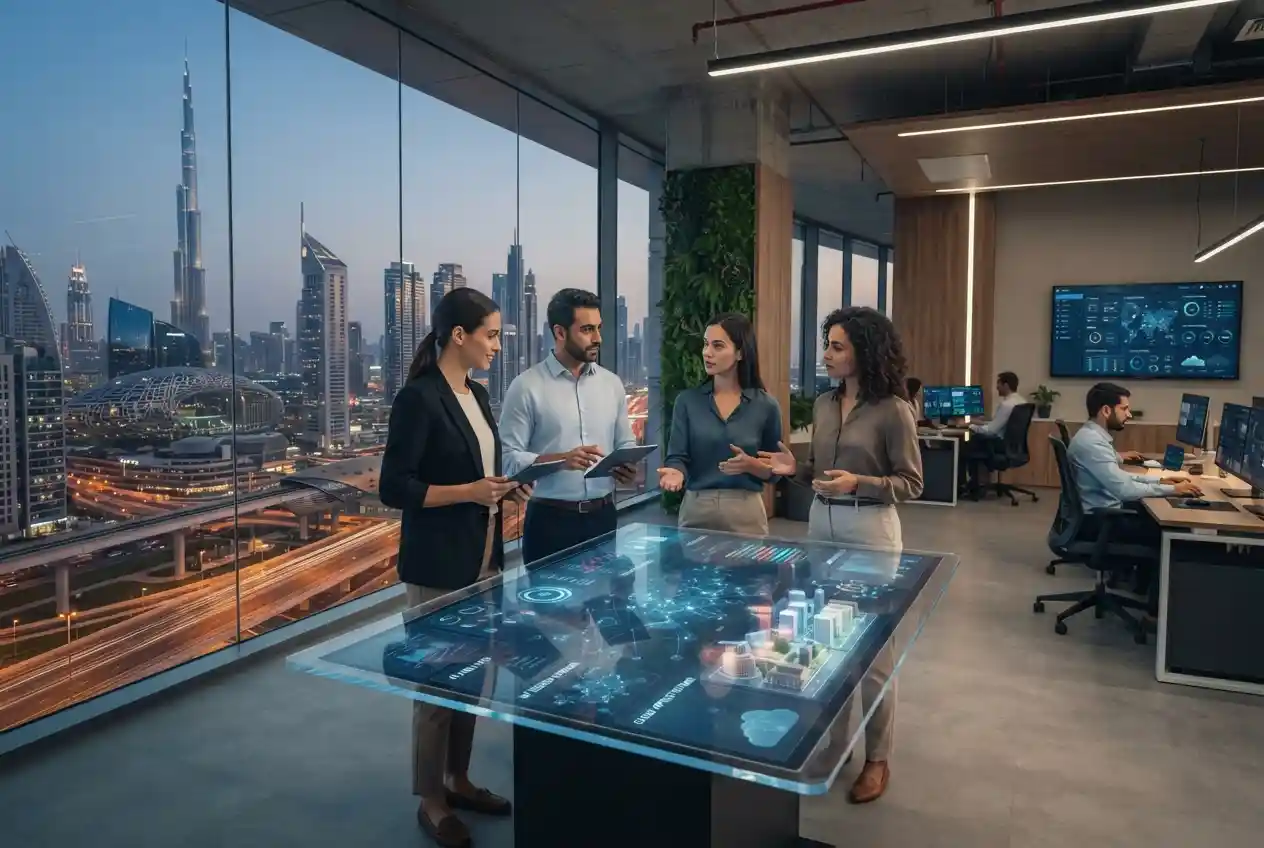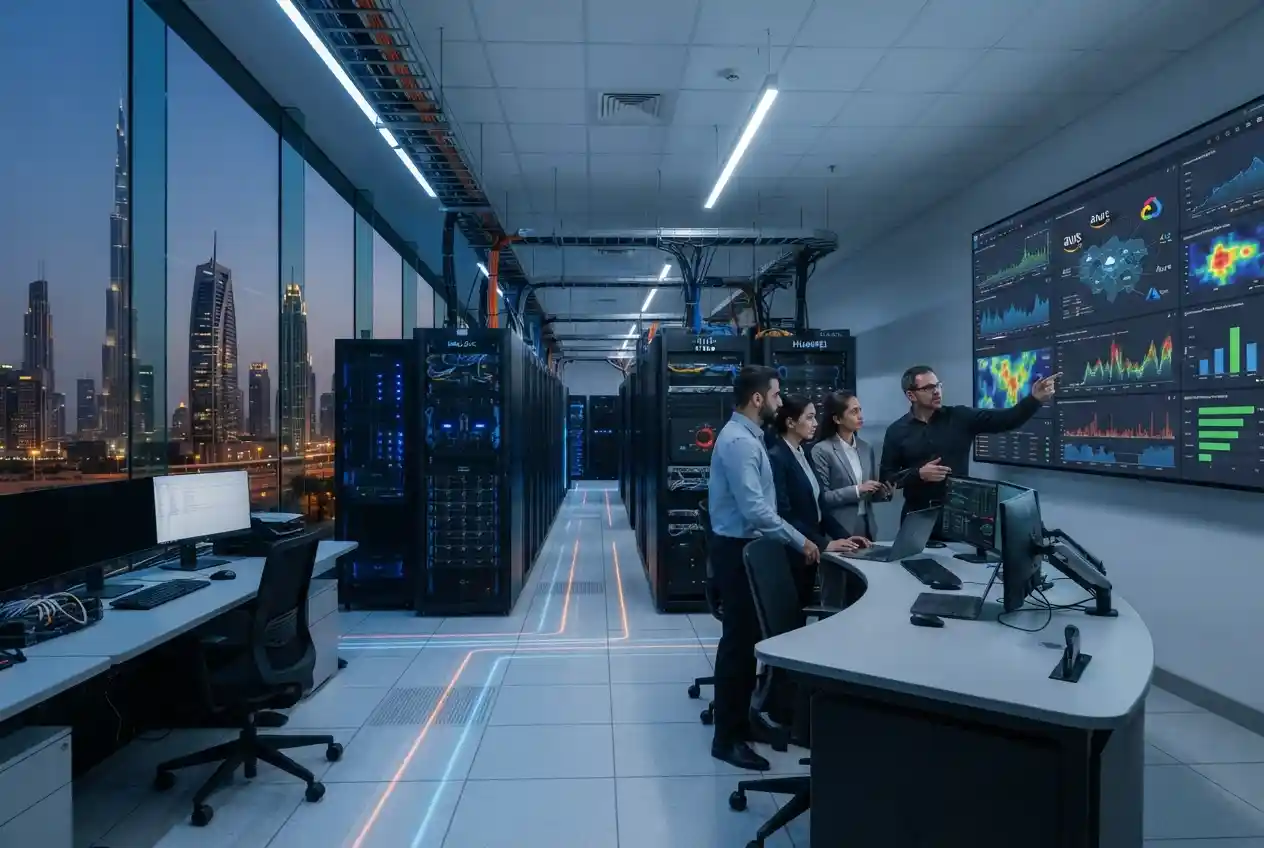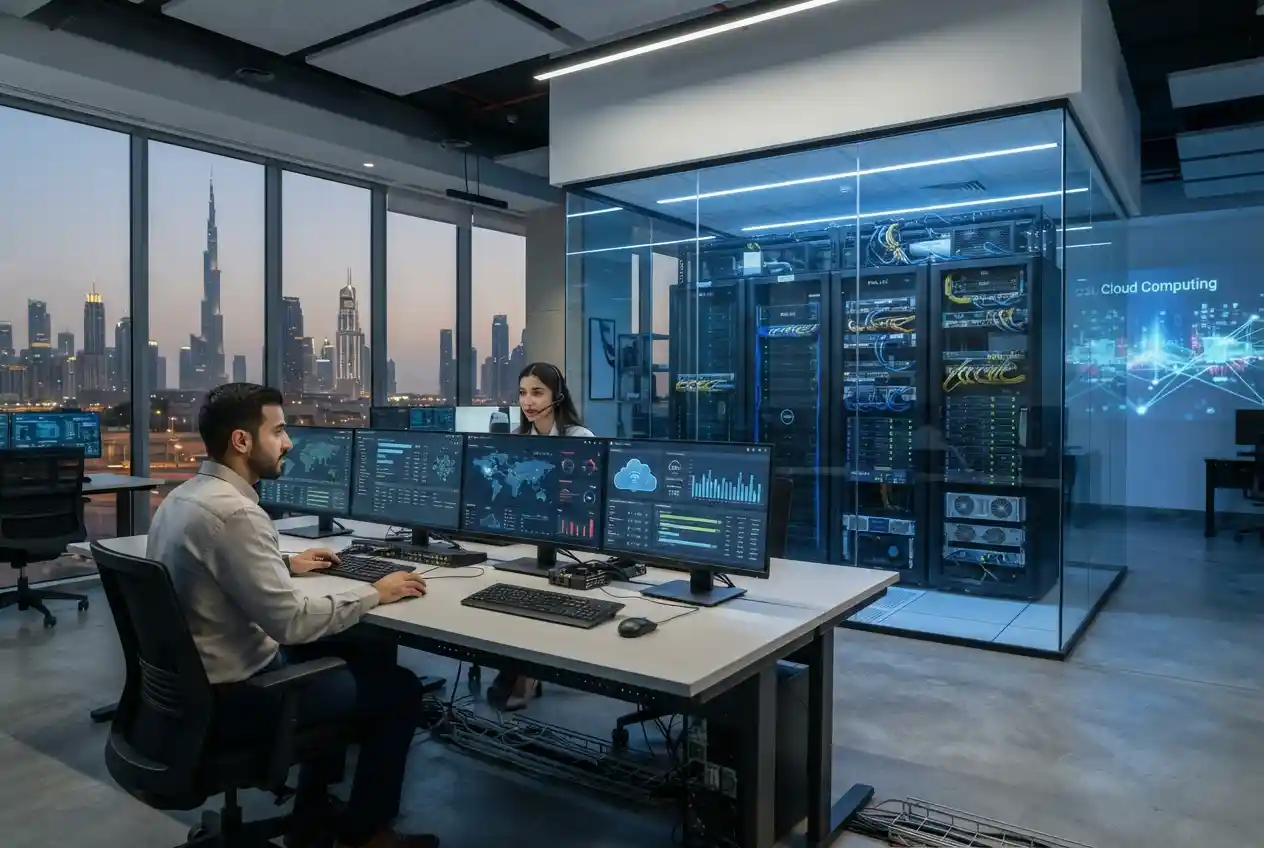










Global technology is influencing almost every part of modern business, from communication and cloud computing to artificial intelligence, cybersecurity, automation, data analytics, and connected devices. As innovations move across borders, businesses in the UAE are increasingly connected to a worldwide technology ecosystem.
For organizations, keeping up with global technology does not mean adopting every new product or trend. The more important goal is understanding which developments can create practical value, improve operations, strengthen customer experiences, or support long-term growth.
The UAE provides an interesting environment for technology adoption because businesses across finance, healthcare, logistics, retail, real estate, tourism, education, and professional services are increasingly dependent on digital infrastructure. Understanding global developments can therefore help local organizations make better technology decisions.
What Is Global Technology?
Global technology refers broadly to technologies, innovations, platforms, infrastructure, and digital practices that operate across international markets or influence organizations worldwide.
The concept covers a wide range of fields. Cloud computing, artificial intelligence, cybersecurity, telecommunications, software development, robotics, automation, data infrastructure, digital payments, and connected devices are all examples of technologies with global influence.
Technology companies can develop products in one country, operate infrastructure across several regions, and serve customers around the world. This international structure means technological developments can spread rapidly between markets.
Why Global Technology Matters to UAE Businesses
UAE businesses operate in an economy that is closely connected to international markets. Companies frequently work with overseas customers, suppliers, technology providers, financial institutions, and business partners.
Global technology can help these organizations communicate, exchange information, automate processes, manage international operations, and provide digital services across geographical boundaries.
It also gives local businesses access to tools that were previously available mainly to large international organizations. Cloud software, online collaboration platforms, cybersecurity services, analytics tools, and AI applications can now support organizations of many different sizes.
Major Areas of Global Technology
Artificial Intelligence
Artificial intelligence is one of the most influential technology developments in the current digital economy. Organizations are using AI for customer service, data analysis, document processing, software development, automation, research, and decision support.
AI can improve efficiency when it is applied to suitable workflows, but businesses still need to consider accuracy, data quality, security, governance, and human oversight.
Cloud Computing
Cloud computing has transformed how organizations access digital infrastructure. Instead of maintaining every computing resource internally, businesses can use cloud services for storage, applications, databases, analytics, backups, and computing workloads.
Cloud infrastructure can make expansion easier, but organizations should still evaluate security, costs, performance, data governance, and business continuity when selecting cloud solutions.
Cybersecurity
Global connectivity creates significant cybersecurity responsibilities. Businesses increasingly depend on networks, cloud platforms, applications, mobile devices, and online services, creating more digital points that require protection.
Modern cybersecurity strategies can involve identity management, endpoint protection, network security, encryption, monitoring, vulnerability management, employee awareness, and incident response.
Internet of Things
The Internet of Things connects physical devices to digital networks so that information can be collected, transmitted, analyzed, or used to trigger actions. Applications can include smart buildings, logistics, manufacturing, healthcare, transportation, and energy management.
Connected devices can provide useful operational information, but they also require appropriate security and lifecycle management.
Automation and Robotics
Automation can help businesses reduce repetitive work and improve process consistency. Robotics can extend automation into physical environments such as warehouses, manufacturing facilities, logistics operations, and specialized industrial settings.
The business case for automation should focus on measurable operational improvements rather than technology adoption for its own sake.
Global Connector Technology
Global connector technology can be understood broadly as the technologies and infrastructure that enable different systems, devices, networks, applications, and organizations to communicate with one another.
Connectivity is essential to the modern digital economy. APIs, telecommunications networks, cloud integrations, networking equipment, data exchange systems, and software platforms all contribute to creating connected technology environments.
For businesses, strong connectivity can reduce information silos and make it easier for different systems to exchange data.
The Role of Telecommunications
Global technology depends heavily on communication infrastructure. Mobile networks, fiber connectivity, satellite communications, data centers, internet exchanges, and other infrastructure allow information to move between users and systems.
For businesses operating internationally, connectivity affects collaboration, cloud access, customer communication, remote work, digital transactions, and access to international platforms.
As digital services become more demanding, reliable connectivity becomes increasingly important to business continuity.
Global Technology and Digital Transformation
Digital transformation is one of the main ways organizations turn technology developments into business improvements. Instead of treating technology as a separate department, businesses can integrate digital tools into core operations.
A transformation project might involve moving applications to the cloud, automating administrative workflows, implementing data analytics, upgrading cybersecurity, improving customer-facing platforms, or modernizing IT infrastructure.
Businesses planning technology projects in the UAE can benefit from considering global technology developments when defining their long-term roadmap.
How Global Technology Reaches the UAE
Technology reaches the UAE through several channels. International technology companies may establish regional operations, local businesses may partner with global providers, and organizations may access cloud platforms or software services directly over the internet.
Universities, research organizations, startups, investors, government initiatives, and private companies also contribute to technology adoption and innovation.
This creates an environment where international technology trends can be adapted to local business requirements.
Golden Triangle Technology FZE and Company-Specific Research
Searches for Golden Triangle Technology FZE represent a different type of technology research from broad global technology trends. A specific company name should always be evaluated independently from the general concept of global technology.
Businesses researching a particular technology company should verify its official business identity, location, services, industry specialization, and current operating information before making commercial decisions.
This is particularly important when technology services involve infrastructure, software access, sensitive business information, or long-term contracts.
Global Technology and the UAE Startup Ecosystem
Technology startups can play an important role in bringing new products and business models into local markets. A startup may adapt an international technology concept for regional customers or develop a completely new solution for a specific industry.
Cloud infrastructure and digital distribution can also reduce some of the barriers that historically made international expansion difficult for smaller technology companies.
For UAE startups, access to global technology can support product development, collaboration, analytics, customer acquisition, and international expansion.
Benefits of Adopting Global Technology
- Improved efficiency: Digital systems can automate repetitive processes and reduce manual work.
- Better connectivity: Modern communication technologies make collaboration easier across locations.
- Access to advanced tools: Businesses can use technologies developed for international markets.
- Scalability: Cloud and digital platforms can support business growth without requiring every resource to be built internally.
- Better customer experiences: Digital interfaces can make services faster and more convenient.
- Data-driven decisions: Analytics can help organizations understand operations and customer behavior.
- International competitiveness: Modern technology can help local businesses compete in increasingly connected markets.
Challenges of Global Technology Adoption
Security Risks
Greater connectivity can create additional security exposure. Organizations need appropriate controls to protect accounts, devices, applications, networks, and information.
Integration Problems
New technology does not always work seamlessly with existing systems. Integration should therefore be considered before implementation.
Skills Shortages
Advanced technologies often require specialized skills. Businesses may need to train existing employees, recruit specialists, or work with external technology providers.
Cost Management
Technology can create ongoing expenses through subscriptions, infrastructure, support, maintenance, training, and upgrades. Businesses should evaluate total cost rather than focusing only on initial purchase prices.
Rapid Change
Technology evolves quickly. Organizations should avoid building strategies around short-lived trends and instead focus on adaptable systems that can evolve over time.
How Businesses Can Build a Global Technology Strategy
A technology strategy should begin with business objectives. Companies should identify where technology can improve revenue generation, customer service, productivity, operational efficiency, security, or scalability.
The next step is to evaluate the existing technology environment. This can reveal outdated infrastructure, duplicate applications, security weaknesses, integration problems, and areas where automation may provide value.
Organizations can then prioritize technology investments according to business impact, urgency, cost, and technical dependencies.
Technology Supplies and Global Infrastructure
Global digital systems still depend on physical infrastructure. Servers, networking equipment, storage systems, connectivity hardware, power infrastructure, and workplace technology provide the foundation for many digital services.
Businesses planning infrastructure upgrades can review technology supplies for modern businesses as part of a broader procurement strategy.
Combining physical infrastructure planning with software, cloud, and cybersecurity requirements can produce a more resilient technology environment.
The Future of Global Technology
Technology is likely to become even more interconnected as AI, cloud computing, automation, robotics, advanced networks, and data systems continue to develop.
Artificial intelligence may increasingly become part of everyday software, while connected devices can create larger streams of operational data. Businesses may also use more automated systems to manage routine activities and provide personalized customer experiences.
At the same time, technology governance will become increasingly important. Organizations will need to balance innovation with cybersecurity, privacy, reliability, compliance, and responsible use.
Closing Remarks
Global technology is shaping how businesses communicate, operate, analyze information, serve customers, and compete internationally. For UAE organizations, access to worldwide technology developments creates significant opportunities but also requires thoughtful planning.
The most successful approach is not to follow every emerging trend. Instead, businesses should identify technologies that address genuine needs and integrate them into a clear digital strategy.
By combining reliable infrastructure, strong connectivity, cybersecurity, skilled people, and carefully selected digital solutions, UAE businesses can use global technology to build more efficient, resilient, and adaptable organizations.
External link opportunity: Readers interested in international technology developments can explore the World Economic Forum’s technology and innovation resources for broader perspectives on emerging digital trends.