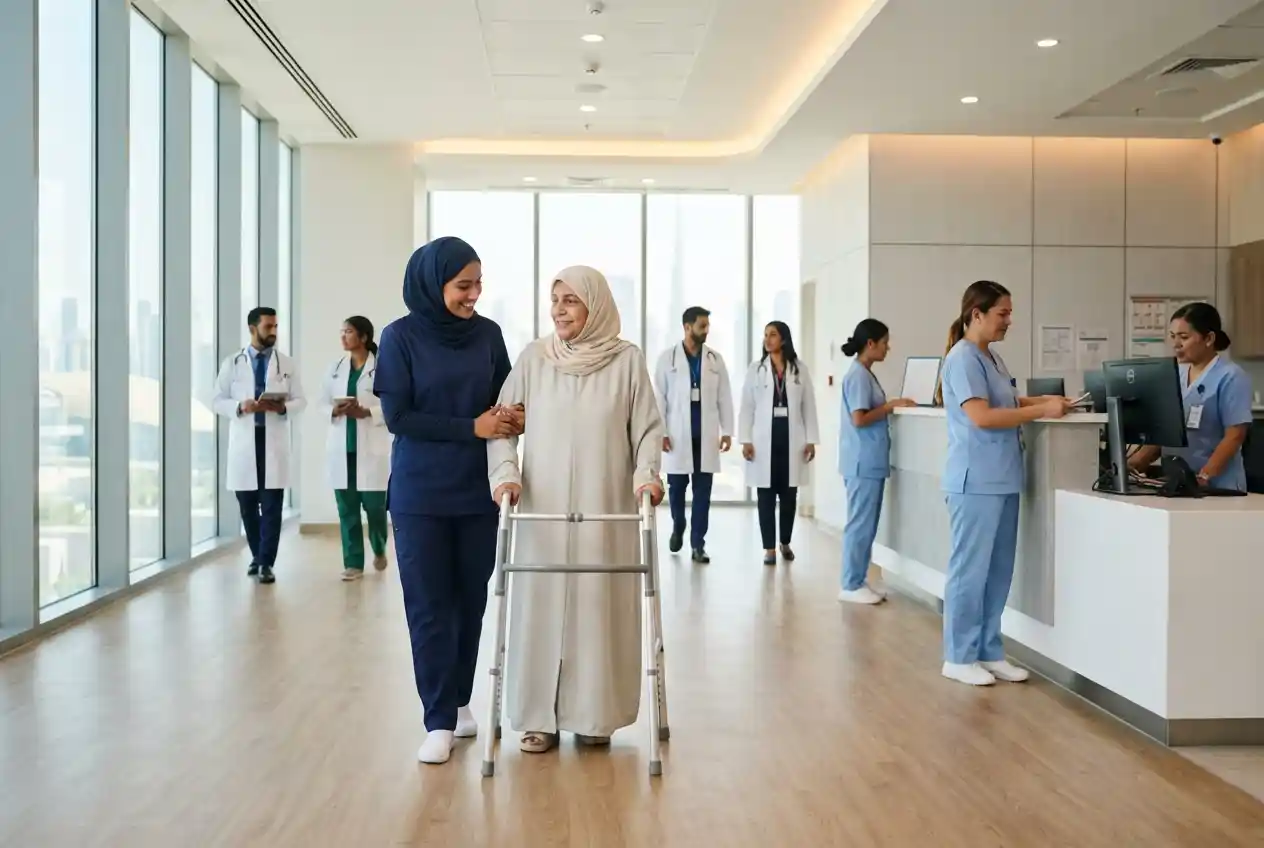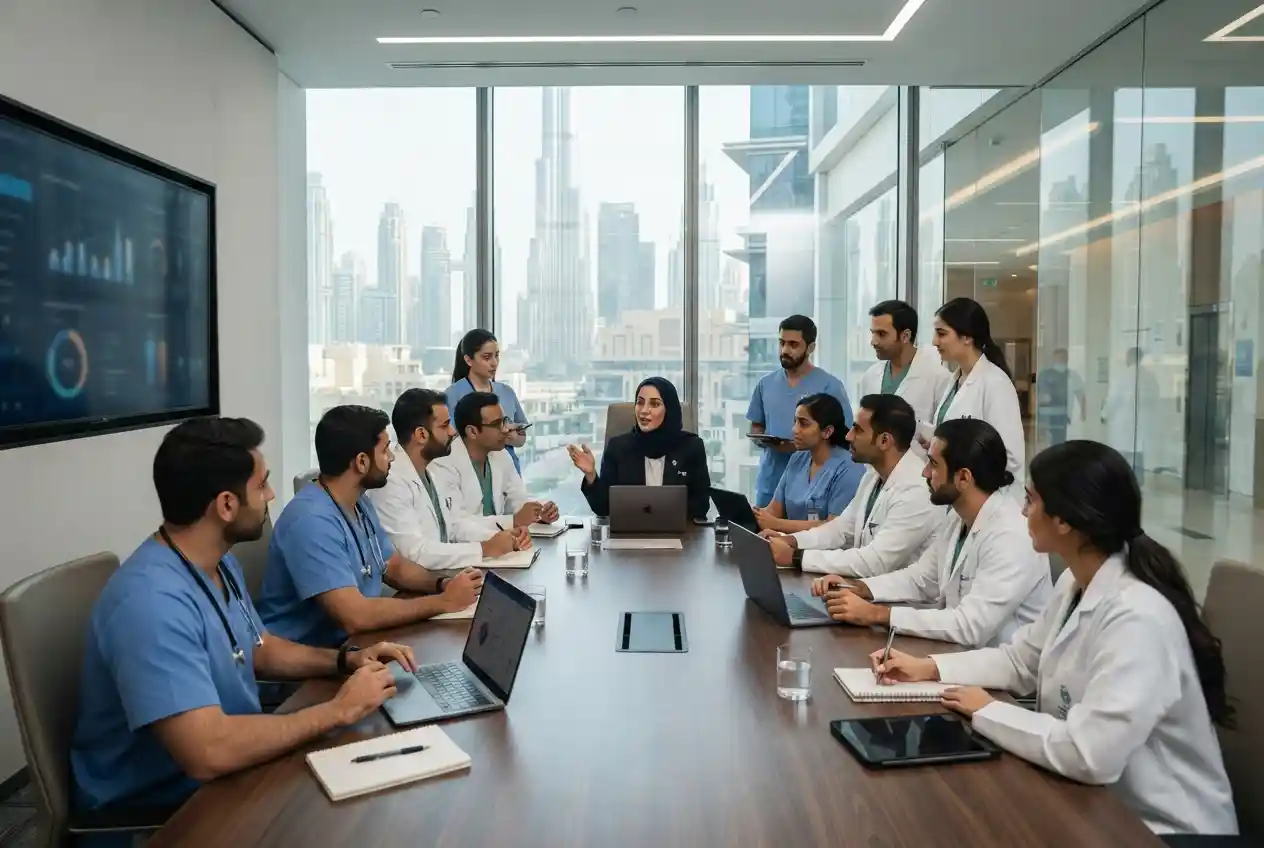









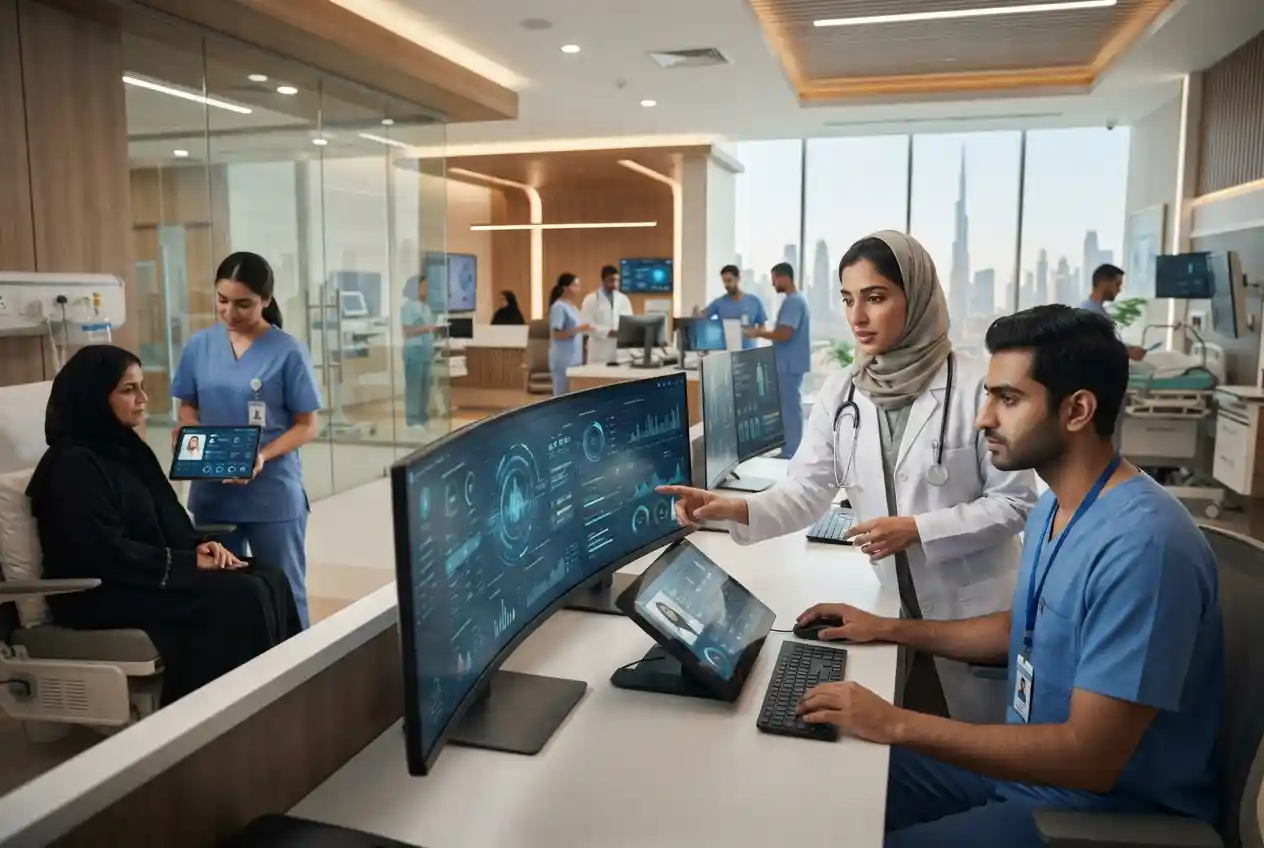
Healthcare solutions have become increasingly important in the UAE as hospitals, clinics, medical groups, insurers and other healthcare organisations look for better ways to deliver efficient, connected and patient-focused care. Modern healthcare is no longer limited to the interaction between a doctor and patient inside a clinic. It also involves digital systems, medical technology, data management, remote services, insurance coordination, workforce planning and operational processes.
For healthcare organisations, choosing the right solutions can help improve how services are delivered and managed. For patients, well-designed healthcare systems can make appointments, records, communication and access to services more convenient. The UAE’s growing healthcare ecosystem has therefore created demand for solutions that connect clinical care with technology and efficient administration.
The country’s healthcare environment also includes a combination of public and private providers, specialist facilities, insurers, technology companies and healthcare support organisations. Understanding how these different components work together is useful for anyone researching the UAE healthcare sector.
What Are Healthcare Solutions?
Healthcare solutions are products, technologies, services and systems designed to address specific needs within healthcare delivery or administration. They can support medical professionals, healthcare organisations, patients, insurers and other stakeholders.
Depending on the organisation, a healthcare solution might involve electronic health records, patient management software, telemedicine platforms, medical devices, appointment systems, data analytics, cybersecurity, billing technology or integrated digital health services.
The objective is not simply to introduce new technology. A useful healthcare solution should solve a genuine operational or patient-care problem. It should also fit the organisation’s workflows, regulatory requirements, security needs and long-term strategy.
Why Healthcare Solutions Matter in the UAE
The UAE has developed a sophisticated healthcare sector serving residents, professionals, families and international visitors. As healthcare organisations expand their services, they need systems capable of handling increasingly complex administrative and clinical processes.
Technology can help healthcare providers organise information, reduce manual tasks and improve communication between different parts of an organisation. Digital systems can also support more convenient patient interactions, provided they are implemented responsibly and securely.
Healthcare solutions are therefore relevant to hospitals and clinics as well as laboratories, pharmacies, insurers, home healthcare providers and healthcare management organisations.
Common Types of Healthcare Solutions
There is no single category of technology or service that qualifies as a healthcare solution. Organisations typically combine multiple solutions according to their specific requirements.
Electronic Health Records
Electronic health record systems help healthcare organisations manage patient information digitally. Depending on the platform and implementation, these systems can support clinical documentation, medical histories, test results, prescriptions and other information used during patient care.
Effective record management can help authorised professionals access relevant information more efficiently while reducing reliance on fragmented paper-based processes. Healthcare organisations must, however, implement appropriate controls around privacy, access and data security.
Patient Management Systems
Patient management solutions can help clinics and hospitals organise appointments, registrations, patient communication, billing workflows and other administrative processes. These systems can become particularly valuable for organisations handling large numbers of patients across different departments.
Telehealth and Remote Care
Digital healthcare platforms can allow eligible patients to communicate with healthcare professionals remotely. Depending on the service and clinical situation, remote consultations can improve convenience and reduce unnecessary travel.
Remote care does not replace every form of face-to-face treatment. Some conditions require physical examinations, diagnostic testing or other services that cannot be delivered remotely. The appropriate model depends on the patient’s needs and the provider’s clinical judgement.
Healthcare Data and Analytics
Healthcare organisations generate significant amounts of information. Analytics solutions can help organisations examine operational and clinical data to identify patterns, monitor performance and support informed decision-making.
When used responsibly, data analytics can help healthcare leaders understand areas such as appointment demand, resource utilisation and service performance. The quality of the outcome depends heavily on the accuracy, security and appropriate interpretation of the underlying data.
Medical Technology
Medical devices and diagnostic technologies form another important part of the healthcare solutions ecosystem. Hospitals and clinics may use specialised technologies to support diagnosis, monitoring, treatment and rehabilitation.
Technology selection should be based on clinical requirements, regulatory considerations, staff training and practical usability rather than novelty alone.
Digital Transformation in UAE Healthcare
Digital transformation is changing how many healthcare organisations operate. Instead of treating technology as a separate department, organisations increasingly consider digital infrastructure as part of the overall patient and operational experience.
This can involve connecting appointment systems with patient records, introducing digital communication channels, improving internal reporting or integrating different software platforms. The goal is usually to create a more coordinated environment in which information can move appropriately between authorised users and systems.
For patients, digital transformation can mean easier access to information and services. For healthcare professionals, it can mean better access to relevant records and tools. For administrators, it can provide improved visibility into operational performance.
Healthcare Solutions and Home-Based Care
Healthcare solutions are also becoming relevant beyond hospitals and clinics. Home-based care requires coordination between healthcare professionals, patients and families, particularly when services continue over an extended period.
Digital scheduling, documentation and communication tools can support this coordination. Organisations providing home healthcare in the UAE may use technology to organise visits, maintain patient information and coordinate care teams, depending on their operating model.
This connection illustrates why healthcare solutions should not be considered purely as software products. The broader objective is to improve how different healthcare services work together around the patient’s needs.
Benefits of Healthcare Solutions for Providers
Improved Operational Efficiency
Well-designed systems can reduce repetitive administrative work and help staff organise routine processes more effectively. Automating suitable tasks may allow employees to spend more time on activities requiring professional judgement and direct interaction.
Better Information Management
Healthcare organisations need reliable access to relevant information. Centralised and appropriately structured systems can make information easier for authorised users to locate and manage.
More Convenient Patient Experiences
Digital appointment booking, electronic communication and other patient-facing tools can make some healthcare interactions more convenient. Convenience is particularly valuable when it reduces unnecessary administrative steps without compromising clinical quality.
Stronger Decision-Making
Healthcare leaders need accurate information when planning staffing, capacity, services and investment. Reporting and analytics solutions can provide useful insights when the underlying data is reliable and properly interpreted.
What Makes a Good Healthcare Solution?
The most expensive or technically advanced system is not necessarily the best option. A successful healthcare solution should solve a clearly defined problem and work effectively within the organisation’s existing environment.
Healthcare providers should consider usability, scalability, security, integration, support and regulatory requirements before making a technology decision. Staff training is equally important because even a capable system can deliver poor results if users find it difficult to understand or incorporate into their daily workflows.
Integration deserves particular attention. A healthcare organisation may already use several systems for appointments, records, billing, laboratory services or communication. A new solution should be assessed for how effectively it can work with the existing technology environment.
Healthcare Solutions Companies in the UAE
The UAE market includes organisations operating across healthcare technology, medical services, insurance, consulting and healthcare management. People researching this sector may encounter names such as Emitac Healthcare Solutions, DynaMed Healthcare Solutions, Al Fahim Healthcare Solutions LLC and MedNet Global Healthcare Solutions LLC.
These organisations may operate in different areas of the healthcare ecosystem, so their services should not be assumed to be identical. Businesses evaluating a healthcare provider or technology partner should examine the organisation’s current services, experience, regulatory position, technical capabilities and suitability for the specific project.
Search terms such as emitac healthcare solutions, dynamed healthcare solutions and mednet global healthcare solutions llc can help users identify organisations operating in the sector, but a search result alone does not establish whether a particular company is suitable for a healthcare project.
How Healthcare Organisations Can Select the Right Solution
A structured evaluation can reduce the risk of choosing a system based solely on marketing claims. Healthcare organisations should first identify the problem they want to solve and establish measurable requirements.
Define the Problem
Before reviewing vendors, organisations should identify the specific operational or clinical challenge. For example, the goal might be to improve appointment management, integrate patient information, streamline reporting or support remote services.
Evaluate Security and Compliance
Healthcare information can be highly sensitive. Organisations should carefully assess how data is stored, transmitted, accessed and protected. Security requirements should be considered during the selection process rather than added after implementation.
Consider Staff Adoption
A solution must be practical for the people who use it every day. Healthcare professionals and administrative teams should have an opportunity to understand the system and provide feedback during implementation.
Assess Long-Term Scalability
Healthcare organisations can change rapidly through expansion, new services, additional facilities or increased patient demand. A solution that works today should ideally be capable of supporting future requirements without creating unnecessary disruption.
Healthcare Solutions and Healthcare Management
Technology and management are closely connected in modern healthcare. Healthcare leaders need to understand not only what a system does but also how it affects staffing, workflows, budgets, patient experience and service quality.
This is why healthcare management has become an important area within the UAE healthcare sector. Professionals interested in leadership and administration can explore related areas such as healthcare management in the UAE, including healthcare administration, management education and career opportunities.
For organisations, strong management can determine whether a technology investment produces meaningful results. Implementation requires planning, training, monitoring and continuous improvement rather than simply purchasing software.
The Role of Healthcare Services
Healthcare solutions ultimately exist to support healthcare delivery. Whether an organisation operates a hospital, clinic, rehabilitation centre, laboratory, pharmacy or home-based service, technology should contribute to a practical healthcare objective.
Understanding the wider healthcare services available in the UAE provides useful context when evaluating where a particular solution fits. A patient-facing platform, for example, may serve a different purpose from a hospital operations system or an insurance management solution.
Future Direction of Healthcare Solutions in the UAE
The healthcare technology landscape is likely to continue evolving as organisations seek better connectivity, more efficient workflows and improved patient experiences. Artificial intelligence, data analytics, remote healthcare and integrated digital platforms are among the areas receiving significant attention across the broader healthcare industry.
However, technology should remain a means to an end. Successful healthcare innovation depends on combining useful technology with qualified professionals, responsible governance, appropriate clinical processes and a strong focus on patient needs.
For UAE healthcare organisations, the most valuable solutions will likely be those that can integrate into real-world workflows while supporting security, scalability and reliable service delivery.
What We Learned
Healthcare solutions play an increasingly important role in the UAE by connecting technology, administration and patient care. From electronic records and patient management systems to telehealth, analytics and medical technology, these solutions can help healthcare organisations operate more effectively when selected and implemented carefully.
For businesses evaluating healthcare technology, the priority should be identifying a genuine need, assessing available options and considering security, usability, integration and long-term value. For patients and families, understanding the wider healthcare solutions landscape can make it easier to see how modern services connect with hospitals, clinics, home healthcare and other forms of care.
As the UAE healthcare sector continues to develop, healthcare solutions will remain an important part of building a more connected and efficient healthcare environment.