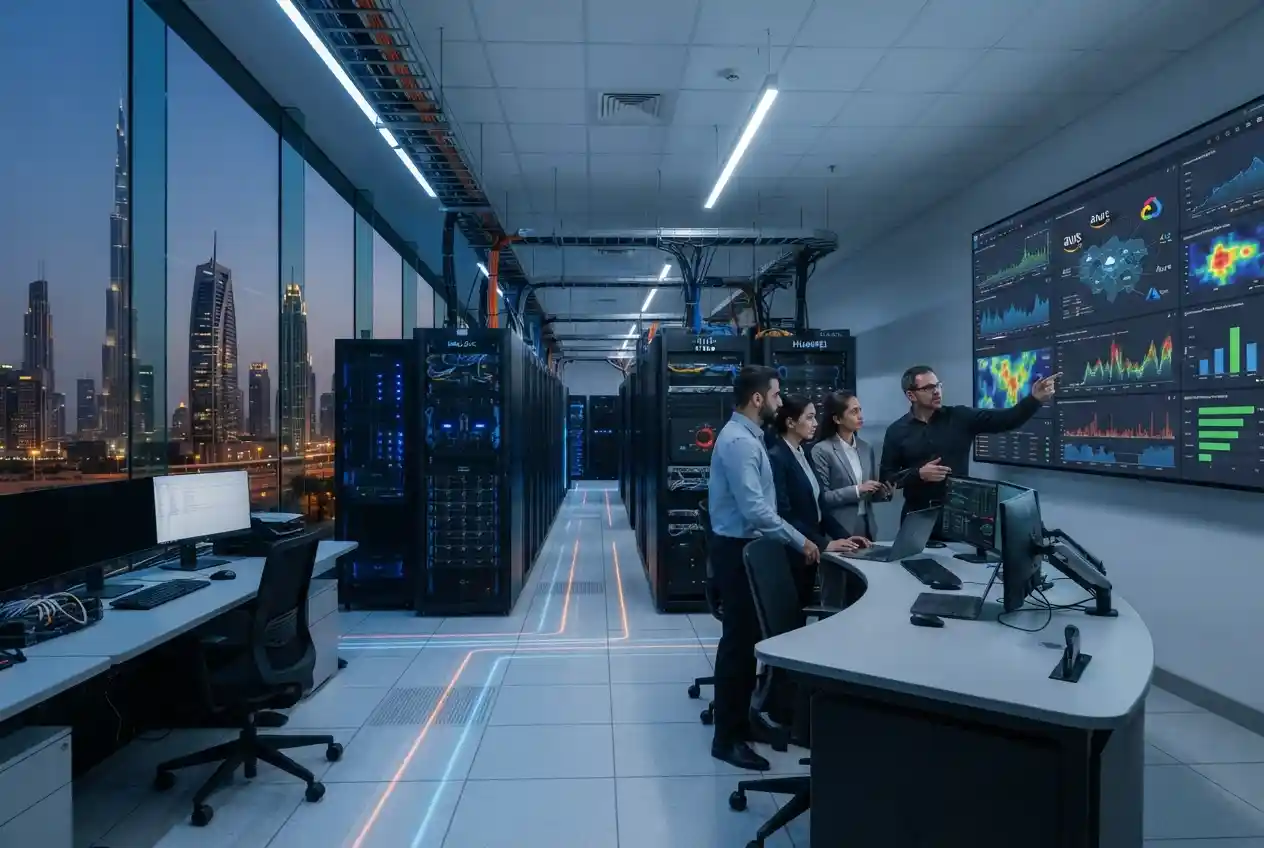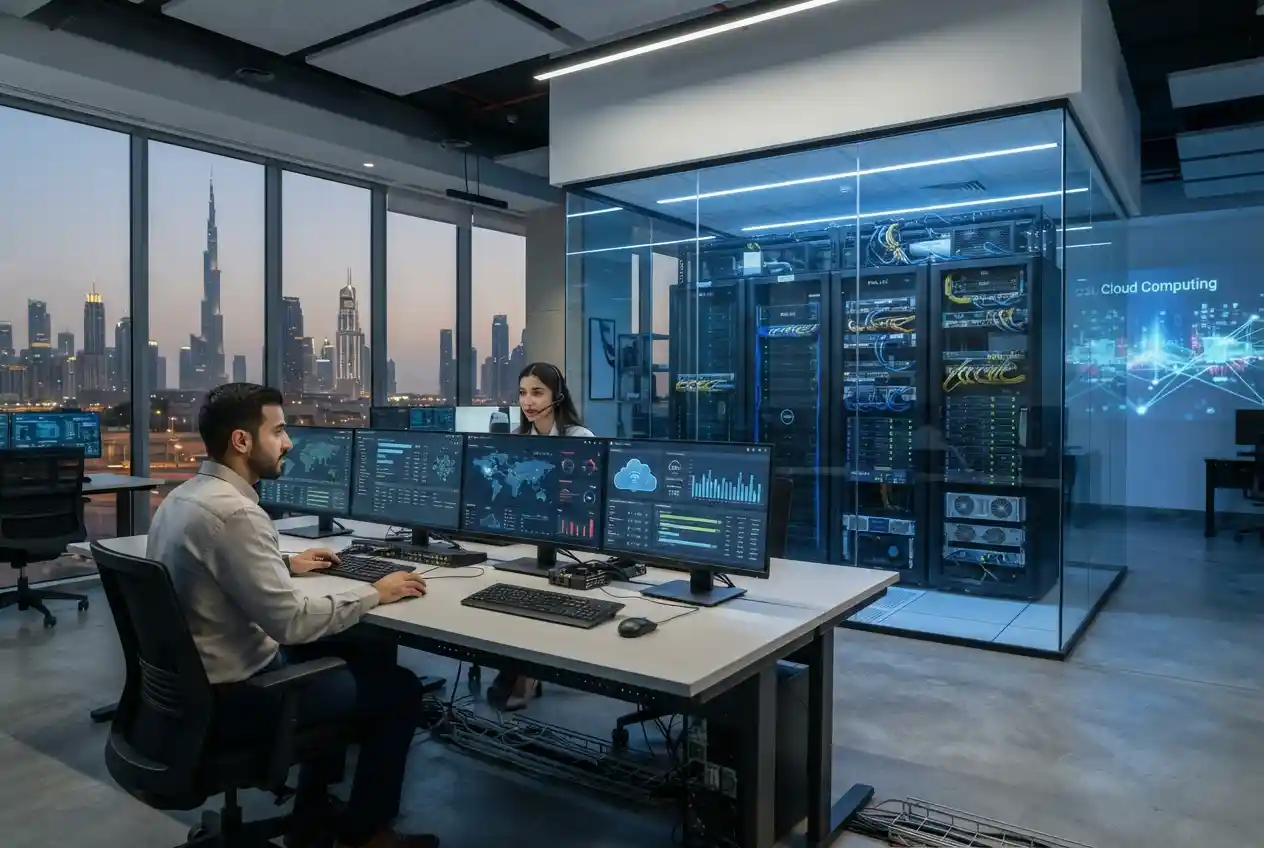









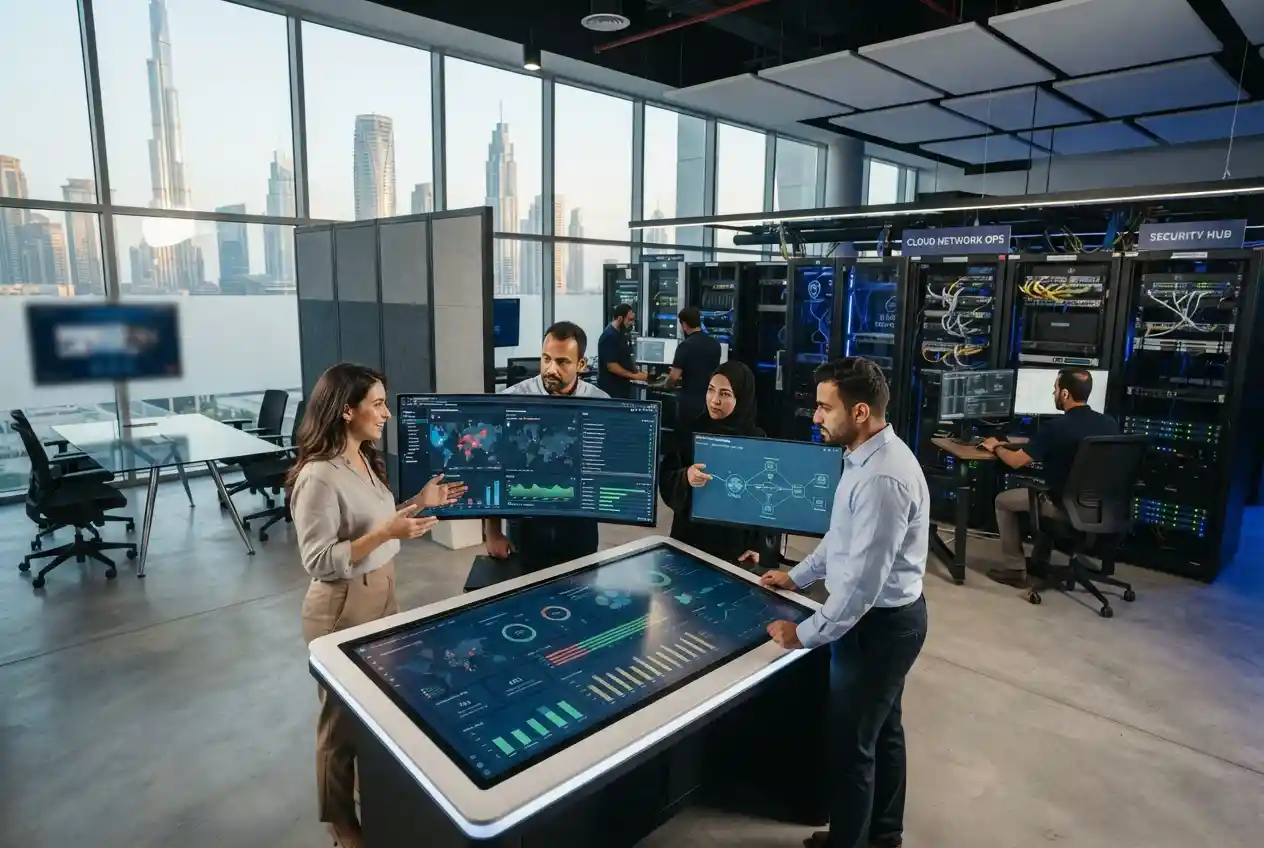
A technology house can play an important role in helping businesses adopt, manage, and improve digital systems. In the UAE, where organizations across industries are investing in digital transformation, the term can describe a technology-focused company or environment that brings together hardware, software, IT services, infrastructure, and technical expertise.
For businesses, understanding what a technology house offers can make it easier to identify the right type of technology partner. Instead of purchasing individual products without a broader strategy, organizations can work with specialists who understand how different technology components operate together.
The concept is particularly relevant for businesses looking to modernize their operations, improve connectivity, strengthen cybersecurity, automate processes, or develop more efficient digital experiences.
What Is a Technology House?
The term technology house does not refer to one standardized type of company. It can be used to describe an organization focused on technology products, IT services, digital solutions, engineering systems, or technology consulting.
Depending on the business, a technology house may supply equipment, design IT infrastructure, implement software, manage cloud environments, provide cybersecurity services, develop applications, or support digital transformation projects.
The underlying idea is that technology expertise and solutions are brought together to help organizations address technical and business requirements.
Services a Technology House May Provide
The services offered by a technology-focused company depend on its specialization. Some organizations concentrate on IT infrastructure, while others focus on software development, cybersecurity, automation, telecommunications, or specialized engineering.
IT Infrastructure
Technology infrastructure can include servers, networking systems, storage, wireless connectivity, structured cabling, workstations, and related components. A technology house may help businesses design and implement infrastructure that matches their operational requirements.
Infrastructure planning is important because businesses depend on reliable systems to access applications, communicate internally, store information, and connect with customers.
Cloud Solutions
Cloud computing has changed how businesses deploy and manage technology. Organizations can use cloud platforms for applications, storage, backup, collaboration, data processing, and other workloads.
A technology partner can help businesses evaluate cloud requirements, migrate suitable systems, manage environments, and establish appropriate security and access controls.
Cybersecurity
Digital transformation also increases the importance of cybersecurity. Businesses may need protection for networks, endpoints, applications, cloud systems, and sensitive information.
A technology house specializing in cybersecurity can help organizations assess risks, implement security controls, monitor systems, and improve their overall security posture.
Software and Digital Solutions
Some technology companies focus on software development, business applications, automation, integrations, and digital platforms. These services can help organizations replace manual processes or connect systems that previously operated independently.
Businesses should evaluate software solutions according to actual workflows and user requirements rather than selecting technology simply because it contains advanced features.
Why Technology Houses Matter to UAE Businesses
The UAE business environment includes organizations ranging from small startups to multinational enterprises. Their technology requirements can vary significantly, but many share the need for reliable digital infrastructure and specialized technical support.
A technology-focused partner can provide expertise that may not be available internally. This can be especially useful for businesses that do not have large IT departments or that need specialist knowledge for a particular project.
Working with an experienced provider can also reduce the complexity of coordinating multiple technology components. Instead of treating networking, cloud services, security, software, and hardware as completely separate areas, businesses can develop a more integrated technology strategy.
Technology House and Digital Transformation
Digital transformation involves more than replacing old computers or installing new software. It can affect business processes, customer interactions, data management, employee productivity, communication, and operational decision-making.
A technology house can contribute to this process by helping organizations assess existing systems, identify opportunities for improvement, and implement suitable digital solutions.
Businesses researching technology projects in the UAE should consider how each project fits into the organization’s wider technology roadmap.
This broader perspective can help prevent isolated technology investments that work individually but fail to integrate effectively with the rest of the business.
Technology House vs. Traditional IT Supplier
A traditional IT supplier may primarily focus on selling equipment or providing specific technical services. A technology house may offer a broader combination of products, consulting, implementation, integration, and support.
However, the distinction depends on the individual company. Businesses should examine the actual services, expertise, certifications, support capabilities, and project experience of a provider instead of relying solely on the label it uses.
For smaller requirements, a specialist supplier may be sufficient. For complex digital transformation initiatives, businesses may benefit from a partner capable of managing multiple technology layers.
Choosing the Right Technology Partner
Understand Your Business Requirements
Before contacting a technology provider, businesses should document their primary requirements. These may include improving connectivity, upgrading infrastructure, strengthening cybersecurity, implementing cloud services, automating processes, or developing a digital platform.
Clear requirements make it easier to compare providers and identify solutions that are genuinely relevant.
Review Technical Expertise
A provider should have expertise that matches the complexity of the project. Businesses should look at previous implementations, technical capabilities, relevant certifications, and the technologies the provider regularly supports.
Evaluate Integration Capabilities
Technology systems rarely operate in isolation. A new platform may need to connect with existing applications, databases, networks, identity systems, or cloud environments.
Integration experience is therefore an important consideration when selecting a technology partner.
Consider Ongoing Support
Implementation is only the beginning of the technology lifecycle. Organizations should understand what happens after deployment, including maintenance, updates, troubleshooting, monitoring, security improvements, and technical assistance.
Assess Scalability
The technology environment should be able to evolve with the business. A solution that works for a small team may need to support significantly more users or locations in the future.
Technology House for Small and Medium Businesses
Small and medium-sized businesses may particularly benefit from external technology expertise. Maintaining a large internal IT department can be expensive, while relying on uncoordinated technology purchases can create long-term complexity.
A suitable technology partner can help SMEs prioritize investments and avoid spending money on systems that do not directly support business objectives.
Managed IT services, cloud solutions, cybersecurity support, networking, backups, and workplace technology can all be structured according to the organization’s size and operational needs.
Technology House for Large Enterprises
Large organizations often have more complex requirements involving multiple locations, departments, applications, security policies, and technology platforms.
For these businesses, a technology house may support specific projects or provide specialist expertise alongside an internal IT department. Examples include cloud migration, network modernization, cybersecurity programs, enterprise application integration, automation, and infrastructure upgrades.
Enterprise projects typically require careful planning because even small technical changes can affect large numbers of users or interconnected systems.
Society Technology House LLC and the Importance of Company-Specific Research
Businesses researching the term society technology house llc should distinguish between a general technology-house concept and a specific company name. Company names can refer to organizations with very different services, locations, business models, and areas of expertise.
Before entering into a commercial relationship, organizations should verify the company’s official business information, service portfolio, technical capabilities, and relevant project experience.
This type of research is especially important when technology services involve access to business systems, sensitive information, network infrastructure, or operational data.
What Does a Technological House Mean?
The phrase technological house can broadly describe an organization or environment centered on technology solutions. In practical business usage, however, the more important question is not the terminology but the capabilities behind it.
Businesses should ask what technologies are supported, what problems the provider can solve, how implementation is handled, and what support is available after deployment.
A strong technology partner should be able to translate technical capabilities into practical business outcomes rather than simply presenting a list of products.
Technology Infrastructure and Supplies
A technology house may also work with physical technology supplies, particularly when implementing infrastructure projects. Networking equipment, computing devices, storage systems, power equipment, displays, security hardware, and other components may all be required.
Businesses planning infrastructure purchases can learn more about technology supplies for modern businesses and how procurement decisions affect reliability, scalability, and maintenance.
The objective should be to create a coherent technology environment rather than accumulate unrelated equipment.
The Future of Technology Houses
The technology industry continues to evolve as artificial intelligence, cloud computing, automation, cybersecurity, connected devices, and advanced analytics become more integrated into business operations.
This means technology providers increasingly need to understand both technical systems and business strategy. Clients want solutions that can solve operational problems, improve efficiency, support growth, and provide measurable value.
Future technology houses are likely to operate as strategic partners rather than simply hardware suppliers. Their role may include consulting, system integration, managed services, cybersecurity, automation, and continuous technology optimization.
Wrapping Up
A technology house can provide businesses with a broader approach to technology by combining expertise, infrastructure, digital solutions, implementation, and ongoing support. For organizations in the UAE, this can be particularly valuable as digital transformation becomes an increasingly important part of business growth and competitiveness.
Whether a company needs IT infrastructure, cloud services, cybersecurity, software integration, or specialized technology support, the right provider should be selected according to genuine business requirements and technical capabilities.
As the UAE’s digital ecosystem continues to develop, businesses that build structured and scalable technology strategies will be better positioned to adapt to new opportunities. Understanding the role of a technology house is one useful step toward making those technology decisions more effectively.
External link opportunity: Businesses looking for general guidance on digital transformation can explore the Microsoft industry solutions resources for examples of technology applications across different business sectors.