








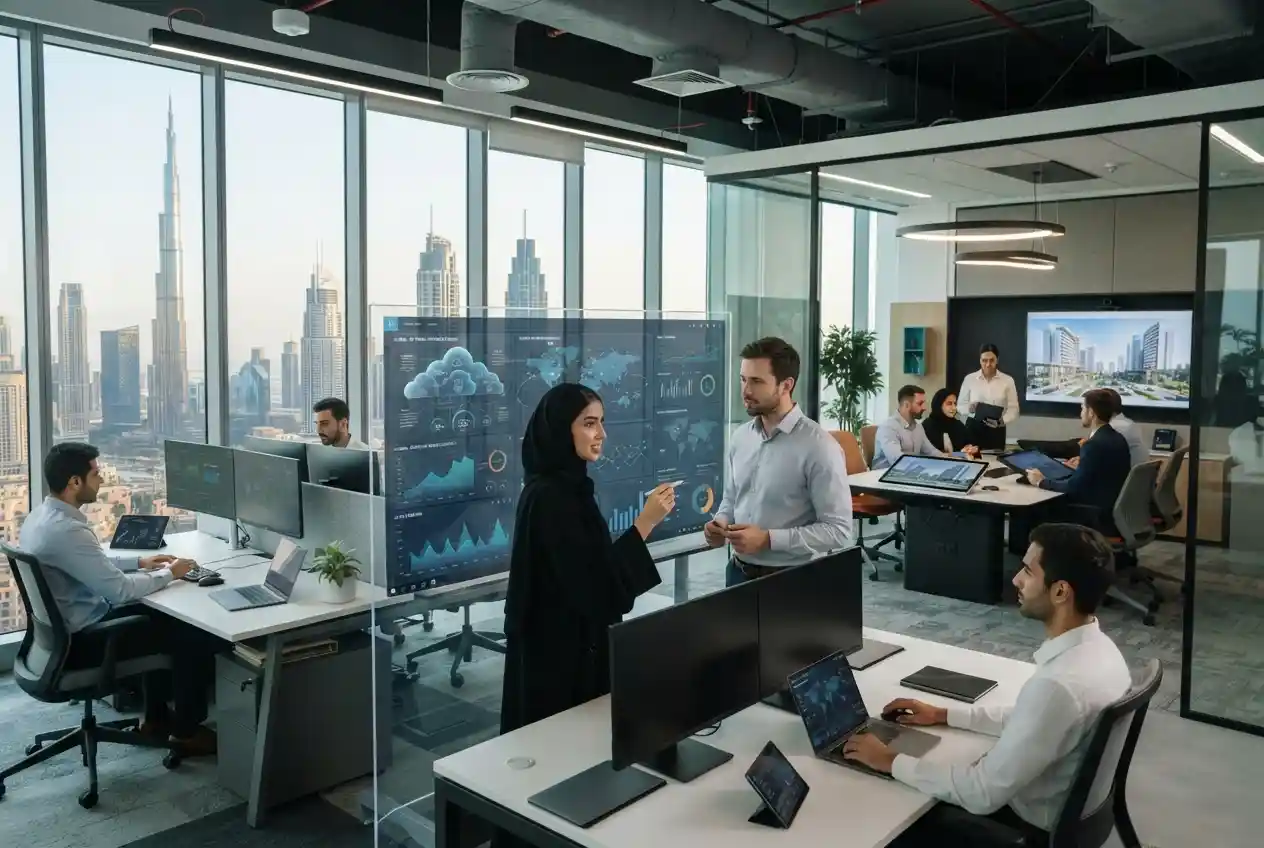
TouchWorld Technology is a technology-focused search term that can lead businesses and technology users toward a broader discussion about digital solutions, connected systems, and modern technology services. As organizations in the UAE continue adopting digital tools, understanding how technology providers and solution platforms fit into the wider ecosystem can help businesses make better technology decisions.
Modern organizations rarely rely on a single digital product. A typical business may use cloud applications, networking infrastructure, cybersecurity systems, collaboration tools, customer-facing platforms, data services, and connected devices at the same time. The challenge is making these technologies work together efficiently.
Whether a business is researching TouchWorld Technology specifically or exploring related technology solutions, it is useful to evaluate technology through the lens of business requirements, user experience, integration, security, and long-term scalability.
What Is TouchWorld Technology?
TouchWorld Technology can be approached as a technology-related term associated with modern digital solutions and technology services. Because technology company names and brands can vary by market, businesses should verify the official identity, service portfolio, and current business information of any specific organization before entering into a commercial relationship.
This is particularly important when a technology provider may have access to business systems, customer information, networks, applications, or other operational resources.
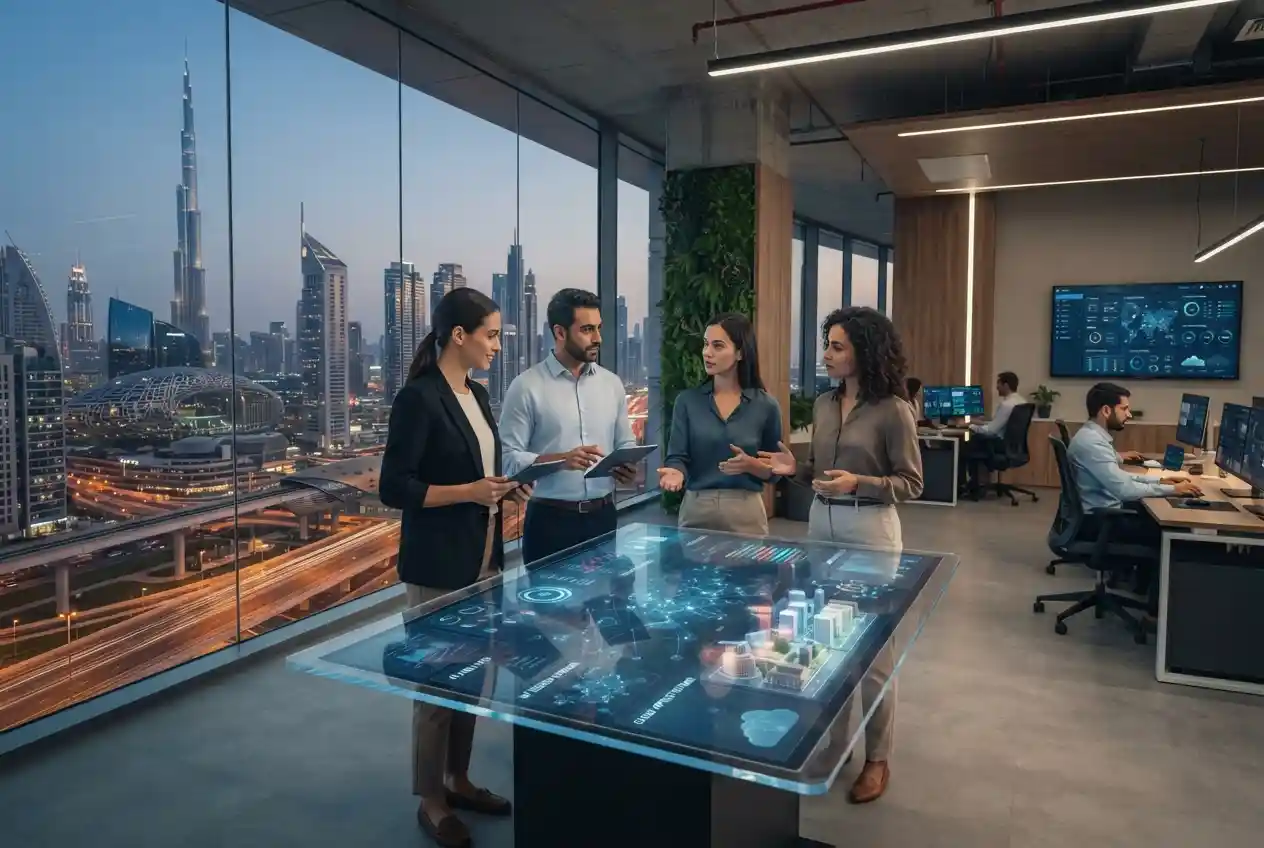
More broadly, the term reflects an important direction in technology: creating connected and interactive digital environments where people can access services, information, and applications through intuitive interfaces.
The Importance of Connected Technology
Businesses increasingly operate across multiple digital channels. Employees may work from offices, homes, client locations, or different branches. Customers may interact through websites, mobile applications, social platforms, digital kiosks, and online support systems.
Connected technology helps bring these interactions together. When systems communicate effectively, businesses can create smoother workflows and reduce the need for employees to move information manually between disconnected platforms.
This type of integration can also support better reporting and decision-making because information becomes easier to access across the organization.
How Technology Is Changing Business Operations
Cloud Computing
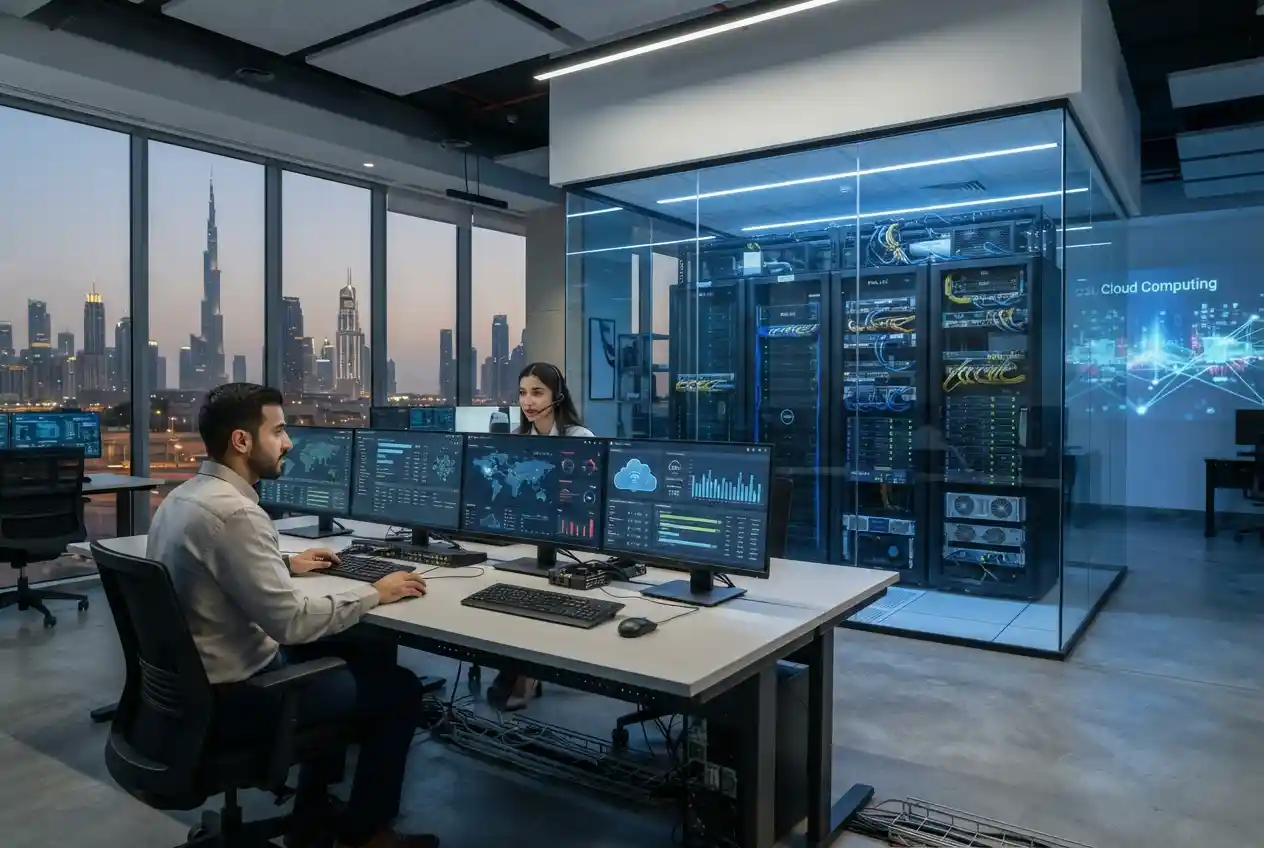
Cloud computing has become a major component of modern business infrastructure. Organizations can use cloud services for applications, storage, collaboration, backups, analytics, and other workloads.
The flexibility of cloud platforms can make it easier for businesses to scale technology according to changing requirements. However, cloud adoption still requires careful planning around security, access management, data protection, and costs.
Artificial Intelligence
Artificial intelligence is influencing customer service, data analysis, content workflows, automation, software development, and many other areas. Businesses are increasingly evaluating where AI can reduce repetitive work or provide useful insights.
The most effective applications are usually tied to a specific operational problem rather than implemented simply because AI is a popular technology trend.
Automation
Automation allows organizations to reduce repetitive manual tasks. Workflows involving data entry, notifications, approvals, reporting, customer communication, and internal processes can sometimes be automated when the underlying systems are properly connected.
Cybersecurity
As businesses become more connected, cybersecurity becomes increasingly important. Digital systems should be protected through appropriate access controls, authentication, monitoring, software updates, network security, and data-protection practices.
Touch Technology and User Experience
The word “touch” can also be associated with the way users interact with digital technology. Touchscreens, interactive displays, kiosks, tablets, smart devices, and point-of-service systems have changed how people engage with digital information.
Good interactive design is not simply about adding a touchscreen. The interface needs to be intuitive, responsive, accessible, and appropriate for the people using it.
Businesses considering interactive environments can also explore interactive response technology as part of the wider technology landscape.
Interactive technology can be particularly useful in retail, hospitality, education, healthcare, corporate environments, exhibitions, and public-facing services.
Technology Solutions for UAE Businesses
The UAE has a diverse economy with strong demand for digital services across many industries. Businesses operating in Dubai, Abu Dhabi, Sharjah, Ajman, and other emirates may have different technology requirements based on their size, sector, customer base, and operational model.
A retail company may prioritize customer-facing technology and payment systems, while a logistics business may focus on tracking, automation, connectivity, and warehouse technology. A professional services firm may prioritize cloud collaboration, cybersecurity, document management, and communication tools.
This diversity means technology solutions should be selected according to business needs rather than a one-size-fits-all approach.
What to Consider When Evaluating a Technology Provider
Technical Capabilities
Businesses should identify the technologies a provider actually supports. This may include cloud platforms, networking, cybersecurity, software development, data systems, automation, or specialized hardware.
Industry Experience
Experience within a particular industry can be valuable because technology requirements are often influenced by sector-specific workflows, regulations, customer expectations, and operational challenges.
Integration
A new technology solution should ideally integrate with relevant existing systems. Integration can reduce duplicate data entry and help employees work across multiple applications more efficiently.
Security
Security should be considered before implementation rather than added later. Businesses should understand how data is stored, who can access systems, how authentication works, and how security incidents are handled.
Support
Technology requires ongoing maintenance. Businesses should evaluate whether the provider offers technical support, system updates, troubleshooting, monitoring, training, and other post-implementation services.
Technology Infrastructure Behind Digital Experiences
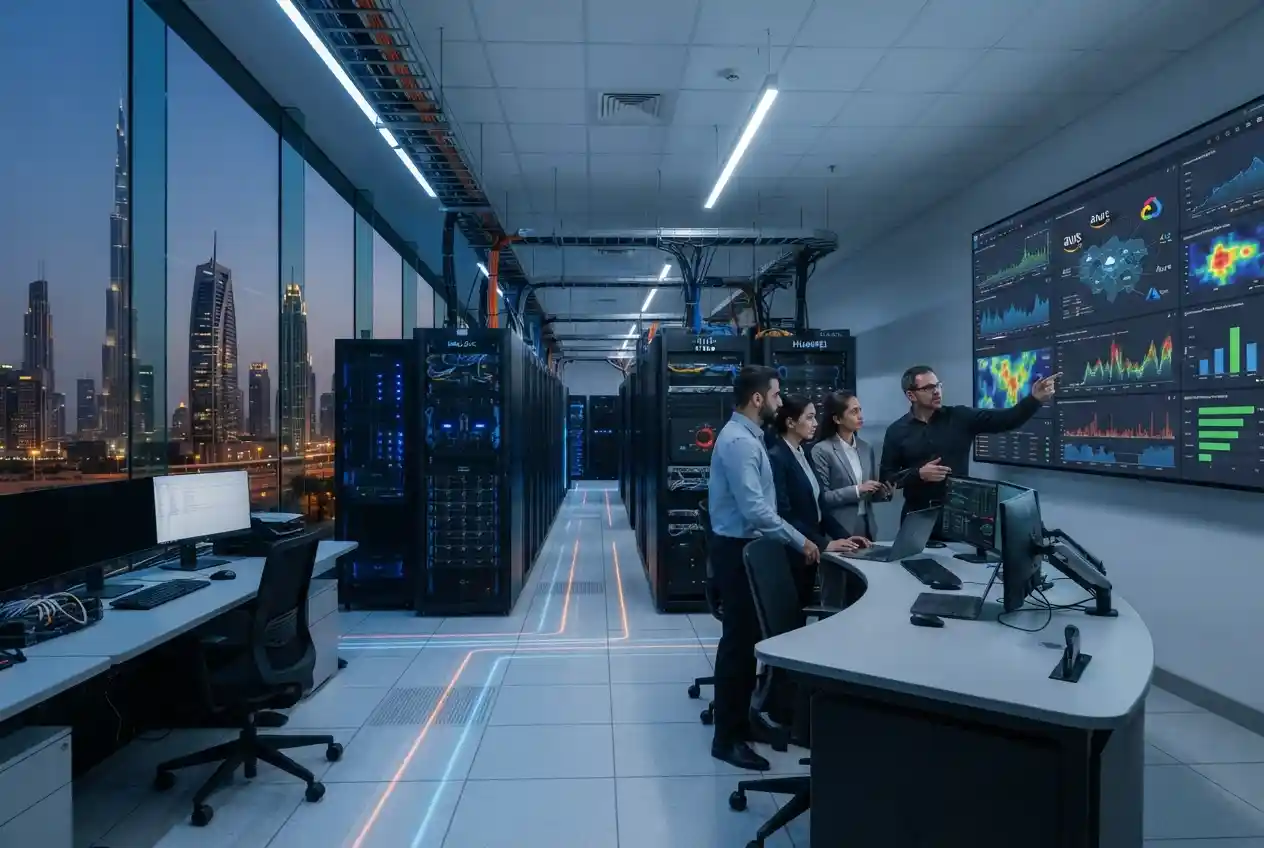
Customers often see only the front end of a digital experience. Behind a website, mobile application, kiosk, or interactive display can be a complex combination of servers, networks, databases, APIs, cloud services, security systems, and monitoring tools.
Reliable infrastructure is therefore essential. Even an attractive digital interface can create a poor customer experience if the underlying system is slow, unstable, or difficult to maintain.
Businesses can improve this foundation by evaluating their technology supplies and infrastructure requirements alongside software and digital services.
Why Scalability Matters
Technology should be able to evolve with the organization. A solution designed for a small operation may eventually need to support more employees, customers, locations, transactions, or data.
Scalability should therefore be considered before implementation. Businesses should ask whether additional users can be added easily, whether infrastructure can handle increased workloads, and whether the solution can integrate with future systems.
Scalable technology can reduce the need for disruptive replacements as an organization grows.
Technology and Customer Experience
Digital transformation is ultimately connected to the people who use the technology. Customers expect websites to load quickly, applications to be easy to navigate, and digital services to provide clear information.
Employees have similar expectations. Internal technology should help people complete their work rather than creating unnecessary administrative complexity.
This is why user experience should be included in technology planning from the beginning. Technical performance and human usability need to work together.
Building a Technology Roadmap
Organizations can avoid random technology purchases by creating a structured technology roadmap. The roadmap should identify existing systems, current challenges, upcoming business objectives, security priorities, and planned technology investments.
Businesses can then prioritize projects according to impact, urgency, cost, and technical dependencies.
A roadmap can also help management understand why a particular technology investment is necessary and how it supports broader business objectives.
Technology Trends to Watch
The technology landscape continues to evolve rapidly. Artificial intelligence, edge computing, connected devices, automation, cloud platforms, cybersecurity, data analytics, and immersive digital experiences are influencing how businesses operate.
Not every trend will be relevant to every company. Businesses should evaluate emerging technologies based on measurable needs and potential business value.
The UAE’s technology ecosystem is also developing as organizations explore smarter infrastructure, digital government services, connected businesses, and advanced customer experiences.
Researching Technology Companies Responsibly
When searching for a particular technology company or brand, businesses should verify the exact company name and distinguish it from similarly named organizations. Search results alone may not provide enough information to determine whether a company is appropriate for a commercial project.
Useful checks include the provider’s official website, business registration information where relevant, published service portfolio, customer references, technical credentials, support arrangements, and project history.
This research is especially important for technology projects involving sensitive data or access to critical business infrastructure.
In Summary
TouchWorld Technology represents a broader conversation about how technology providers, digital platforms, connected systems, and interactive experiences are shaping modern business. For UAE organizations, the most important consideration is not simply adopting the latest technology but selecting solutions that improve real business processes and customer experiences.
Businesses can benefit from evaluating technology through several connected factors: functionality, integration, security, scalability, usability, support, and long-term value.
As digital transformation continues across the UAE, organizations that approach technology strategically will be better positioned to adopt new opportunities while maintaining reliable and secure operations.
External link opportunity: Businesses exploring broader digital technology developments can review the World Economic Forum’s technology insights for wider industry perspectives.