








Trading technologies have fundamentally changed how financial markets operate. Transactions that once depended heavily on telephone calls, physical documents, and manual processes can now be supported by electronic platforms, real-time market data, automated workflows, analytical software, and sophisticated risk-management systems.
For financial institutions, professional traders, investment firms, brokers, and technology teams, modern trading infrastructure is about much more than executing transactions. Speed, reliability, data quality, cybersecurity, system integration, and operational resilience all influence how effectively a trading environment performs.
The growth of digital finance has also increased interest in technology that can process large amounts of market information and help users make faster, more informed decisions. In the UAE, where financial services and technology continue to develop together, understanding the role of trading technologies can help businesses evaluate the infrastructure behind modern markets.
What Are Trading Technologies?
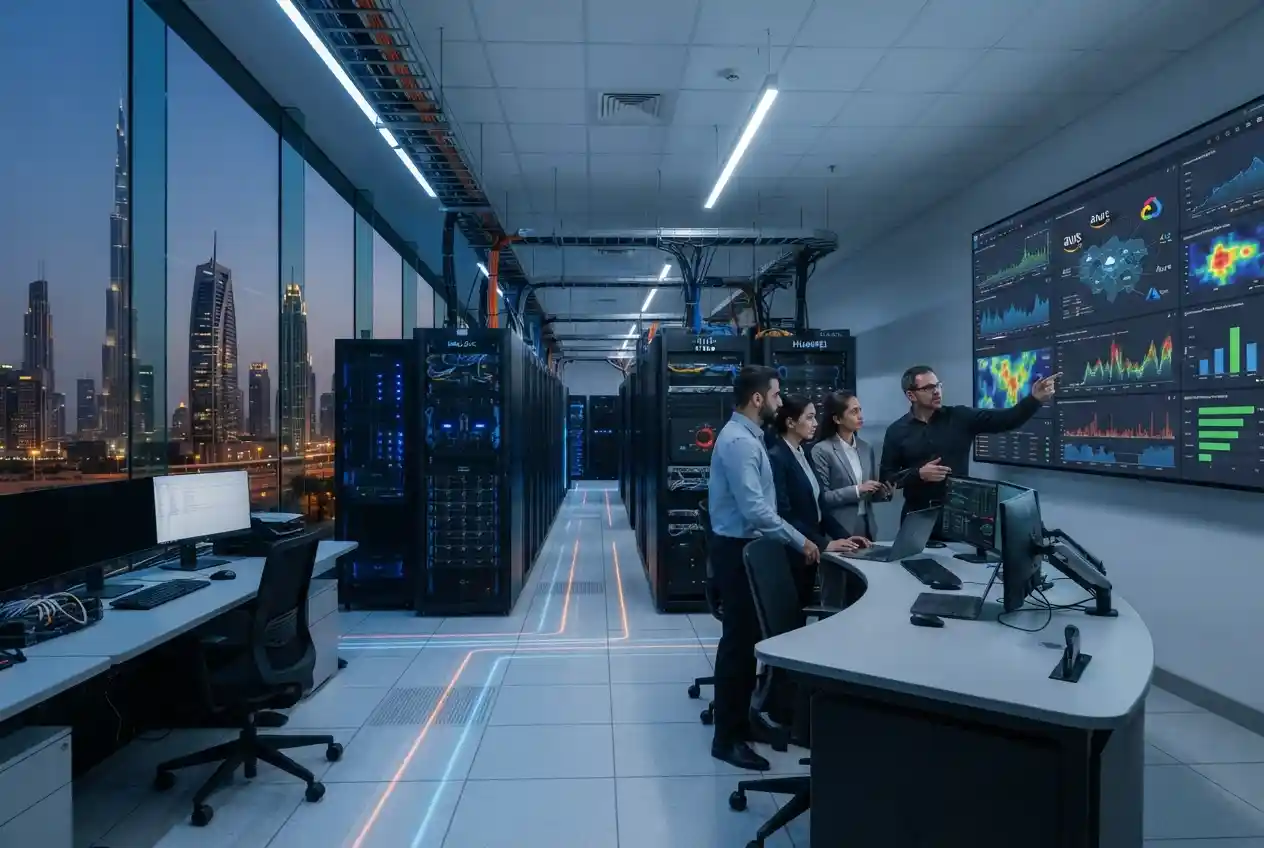
Trading technologies are the hardware, software, platforms, networks, data systems, and analytical tools used to support financial trading activities. These technologies can assist with market access, order management, execution, research, monitoring, reporting, and risk management.
The technology stack can differ significantly between organizations. A retail investor may interact with a simple trading application, while an institutional trading operation may depend on highly integrated systems connecting market data, execution venues, portfolio management, risk controls, compliance processes, and internal databases.
The objective is to create a reliable digital environment in which financial transactions and related information can be managed efficiently.
How Trading Technology Has Evolved
Financial markets have experienced a long transition from manual trading toward electronic systems. As communications networks improved and computing became more powerful, financial institutions gained access to faster and more automated methods of processing market information and transactions.
Electronic trading platforms eventually became central to many markets. Today, technology can support nearly every stage of a trading workflow, from obtaining market data to recording transactions and generating reports.
This evolution has also created new technical challenges. Modern systems must handle high volumes of data while maintaining reliability, security, and appropriate controls.
Key Components of Modern Trading Technologies
Electronic Trading Platforms
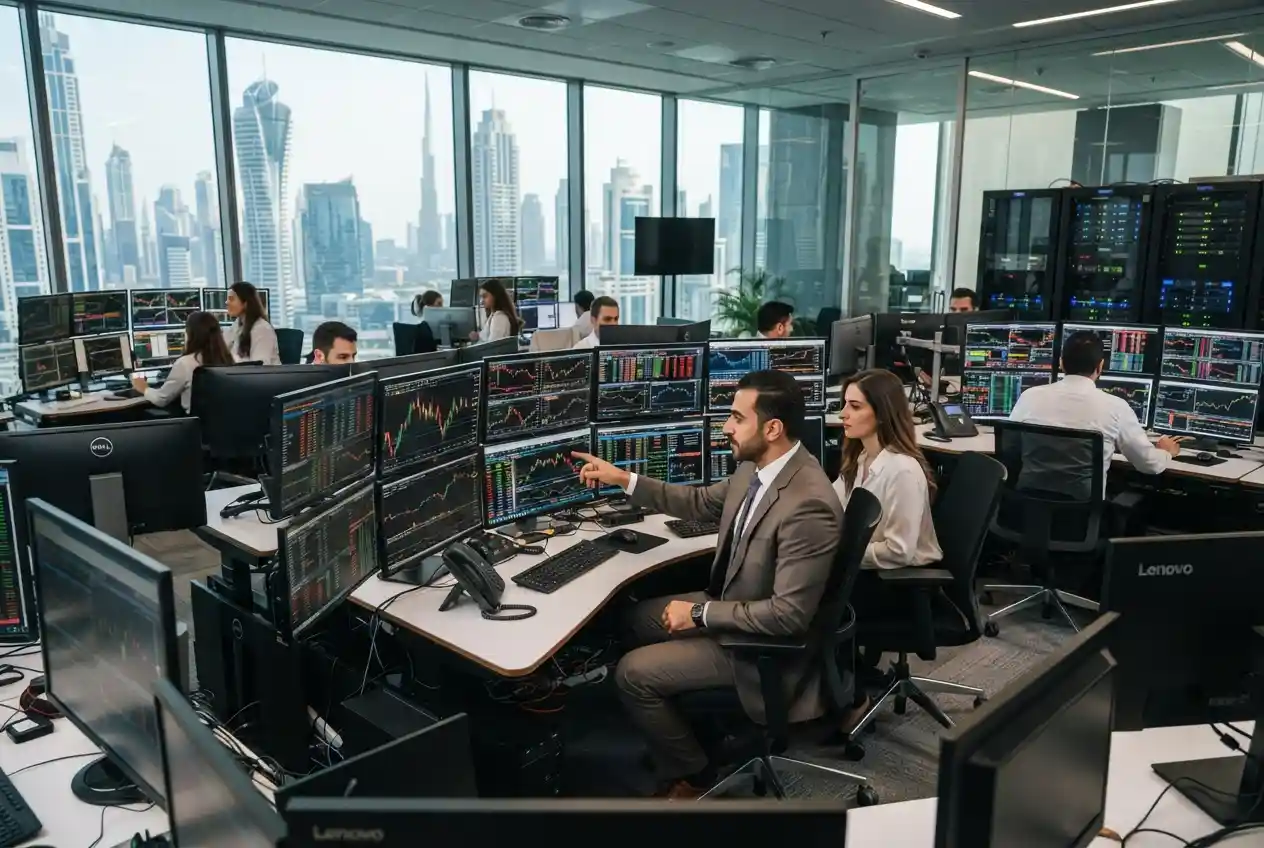
Electronic trading platforms provide interfaces through which users can view market information, submit orders, manage positions, and monitor activity. Depending on the platform, functionality can range from basic order entry to advanced institutional workflows.
Good platform design should balance functionality with usability. Complex systems need clear interfaces because users may have to process significant amounts of information quickly.
Market Data Systems
Market data is fundamental to trading. Prices, volumes, order information, financial indicators, and other data can help market participants understand changing conditions.
Trading systems therefore need reliable mechanisms for receiving, processing, storing, and displaying relevant market information.
Order Management Systems
Order management systems help organize and track trading instructions. They can support workflows such as order creation, modification, monitoring, execution tracking, and record keeping.
For professional organizations, these systems may need to integrate with other platforms and provide appropriate controls for different users.
Execution Management
Execution technologies focus on how orders are routed and managed. The requirements can become particularly complex for institutional trading operations that handle larger volumes or multiple execution venues.
Automation can help streamline certain execution workflows, although automated systems still require careful design, testing, monitoring, and risk controls.
Risk Management Systems
Risk technology helps organizations monitor exposure and identify situations that may require attention. Depending on the trading environment, systems can monitor positions, limits, transactions, and other risk-related information.
Technology does not eliminate financial risk, but well-designed controls can help organizations identify and manage operational and market-related risks more effectively.
Artificial Intelligence and Trading Technologies
Artificial intelligence is becoming an important area of experimentation and development across financial technology. AI systems can process large datasets, identify patterns, assist with research, automate certain workflows, and support analytical tasks.
However, AI should not be treated as a guaranteed method for producing trading returns. Financial markets are complex, and models can be affected by changing conditions, incomplete information, unexpected events, and data-quality problems.
Organizations using AI in financial environments therefore need appropriate testing, governance, monitoring, and human oversight.
Automation in Financial Trading
Automation can reduce manual intervention in selected trading workflows. Rules-based systems can perform predefined actions based on specified conditions, while more advanced systems may incorporate statistical models or machine learning.
Automation can provide operational benefits, but it also introduces new responsibilities. Automated systems can execute actions quickly, meaning errors in logic, configuration, data, or controls can potentially have significant consequences.
For this reason, testing and monitoring should be integral parts of automated trading technology.
The Importance of Low-Latency Infrastructure
Latency refers to the delay involved in transmitting and processing information. In some trading environments, minimizing unnecessary delays can be technically important.
Low-latency infrastructure may involve high-performance computing, optimized networking, efficient software architecture, and carefully designed data pathways. The importance of latency depends on the trading strategy and market environment, so businesses should avoid assuming that maximum speed is always the most important requirement.
Reliability and control remain critical alongside performance.
Cybersecurity in Trading Technologies
Financial trading infrastructure can be an attractive target for cyber threats because it may involve sensitive information, financial transactions, and access to important systems.
Organizations should implement appropriate security measures across applications, networks, endpoints, identities, and data environments. Access controls, authentication, monitoring, vulnerability management, software updates, and incident-response processes can all contribute to a stronger security posture.
Security should be designed into trading infrastructure rather than treated as an afterthought.
Trading Technologies in the UAE
The UAE has developed a significant financial and technology ecosystem, particularly around major commercial and financial centers. Financial institutions operating in the country may use a combination of international platforms and locally relevant technology infrastructure.
Organizations evaluating trading technologies in the UAE need to consider their business model, regulatory obligations, security requirements, market connectivity, operational processes, and technology capabilities.
Technology decisions should also align with the organization’s broader global technology strategy rather than being made independently of other IT investments.
Cloud Computing and Trading Systems
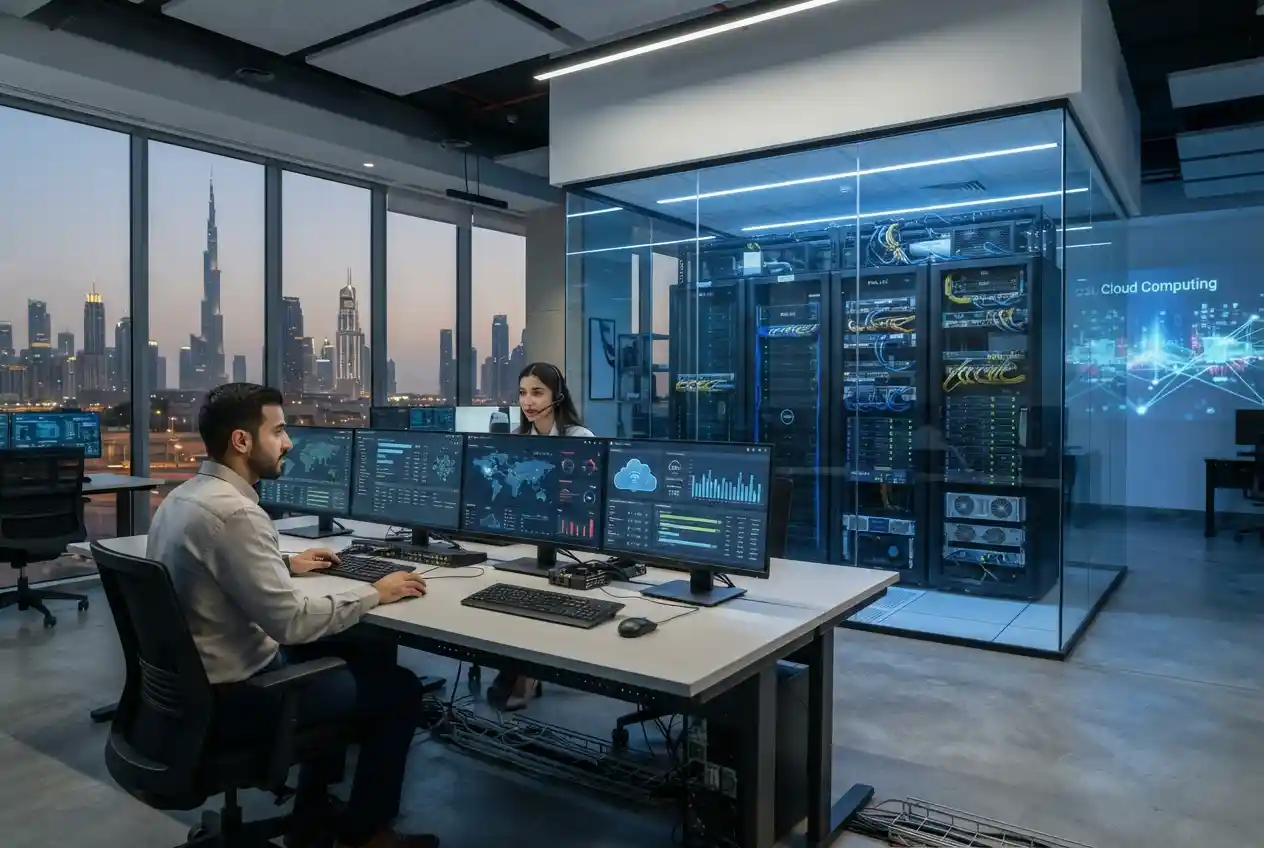
Cloud technology has expanded the range of infrastructure options available to financial organizations. Cloud environments can provide scalable computing resources, storage, networking, monitoring, and other services.
However, financial applications can have specialized requirements. Organizations need to assess performance, resilience, data governance, security, integration, and operational controls before moving critical workloads into cloud environments.
Hybrid approaches may also be appropriate when some workloads benefit from cloud infrastructure while others require dedicated environments.
Data Analytics and Trading Decisions
Trading organizations generate and consume substantial amounts of information. Data analytics can help teams organize information, identify trends, evaluate historical performance, and monitor operational activity.
Analytics can also support management reporting and risk oversight. The quality of the output, however, depends heavily on the quality, completeness, and relevance of the underlying data.
Organizations should therefore invest in data governance as well as analytical tools.
How to Evaluate Trading Technology
Performance
Businesses should evaluate whether a platform can handle expected workloads and deliver the required responsiveness.
Reliability
Trading systems need strong availability and recovery capabilities. Organizations should understand how the provider handles outages, system failures, backups, and disaster recovery.
Integration
A trading platform may need to connect with portfolio management, accounting, compliance, risk, reporting, identity, and other systems. Integration capabilities should therefore be evaluated before implementation.
Security
Access controls, encryption, authentication, monitoring, vulnerability management, and other security features should be reviewed carefully.
Scalability
The technology should be capable of supporting changing volumes, additional users, new markets, and evolving business requirements where relevant.
Trading Technology and Regulatory Considerations
Financial technology operates within a regulated environment. Organizations should identify the rules and regulatory requirements applicable to their activities and ensure that technology systems support appropriate controls and record keeping.
The exact requirements vary according to the institution, financial activity, jurisdiction, and regulatory framework. Technology teams should therefore work closely with legal, compliance, risk, and governance professionals when implementing trading systems.
Future Trends in Trading Technologies
The trading technology landscape is likely to continue evolving through advances in artificial intelligence, cloud computing, automation, data analytics, cybersecurity, and high-performance infrastructure.
Greater integration between trading, risk, compliance, and analytics systems may also improve operational visibility. At the same time, increasing technology complexity will make governance and resilience even more important.
The most valuable systems will not necessarily be those with the most features. Instead, they will be platforms that provide the right balance of performance, reliability, security, usability, and control for a particular organization.
Bottom Line
Trading technologies have become a core part of modern financial markets. Electronic platforms, market data systems, automation, analytics, risk tools, cloud infrastructure, and cybersecurity all contribute to the way trading operations function today.
For organizations in the UAE and beyond, selecting trading technology requires a careful assessment of business requirements, technical performance, security, integration, reliability, and regulatory considerations.
As financial markets become increasingly digital, technology will continue to influence how information is processed, transactions are managed, and financial institutions operate. A strategic approach can help organizations adopt these capabilities while maintaining the controls and resilience required in a demanding financial environment.
External link opportunity: Readers interested in the broader development of financial technology can explore the Bank for International Settlements’ resources on financial technology and innovation.