Good travel tips UAE guidance can make a significant difference when planning a holiday in the United Arab Emirates. The country is well connected, highly developed, and accustomed to welcoming international visitors, but travellers still need to prepare for local weather, customs, transportation, entry requirements, accommodation, and the differences between the seven emirates.
Whether you are visiting Dubai for the first time, planning a cultural trip through Abu Dhabi and Sharjah, heading into the mountains of Ras Al Khaimah or Fujairah, or building a multi-emirate itinerary, a little preparation can help you spend less time dealing with practical issues and more time enjoying the destination.
This guide covers practical UAE travel tips for planning your trip, getting around, managing your budget, respecting local customs, staying comfortable in the climate, and making the most of your time in the country.
1. Check UAE Visa Requirements Before Booking
Visa requirements depend on your nationality and circumstances, so checking the rules before booking flights is one of the most important steps in planning a UAE trip.
Some nationalities may be eligible for a visa on arrival, while others need to arrange a visa before travelling. The UAE government advises visitors to check their individual visa requirements because eligibility can change. Passports must also generally have at least six months of validity from the date of entry. official UAE visa information should be checked before finalising your travel arrangements. :contentReference[oaicite:0]{index=0}
Do not rely on an old blog post or an outdated social media post for immigration information. Entry rules can change, so official sources should be your final reference.
2. Choose Your UAE Destinations Carefully
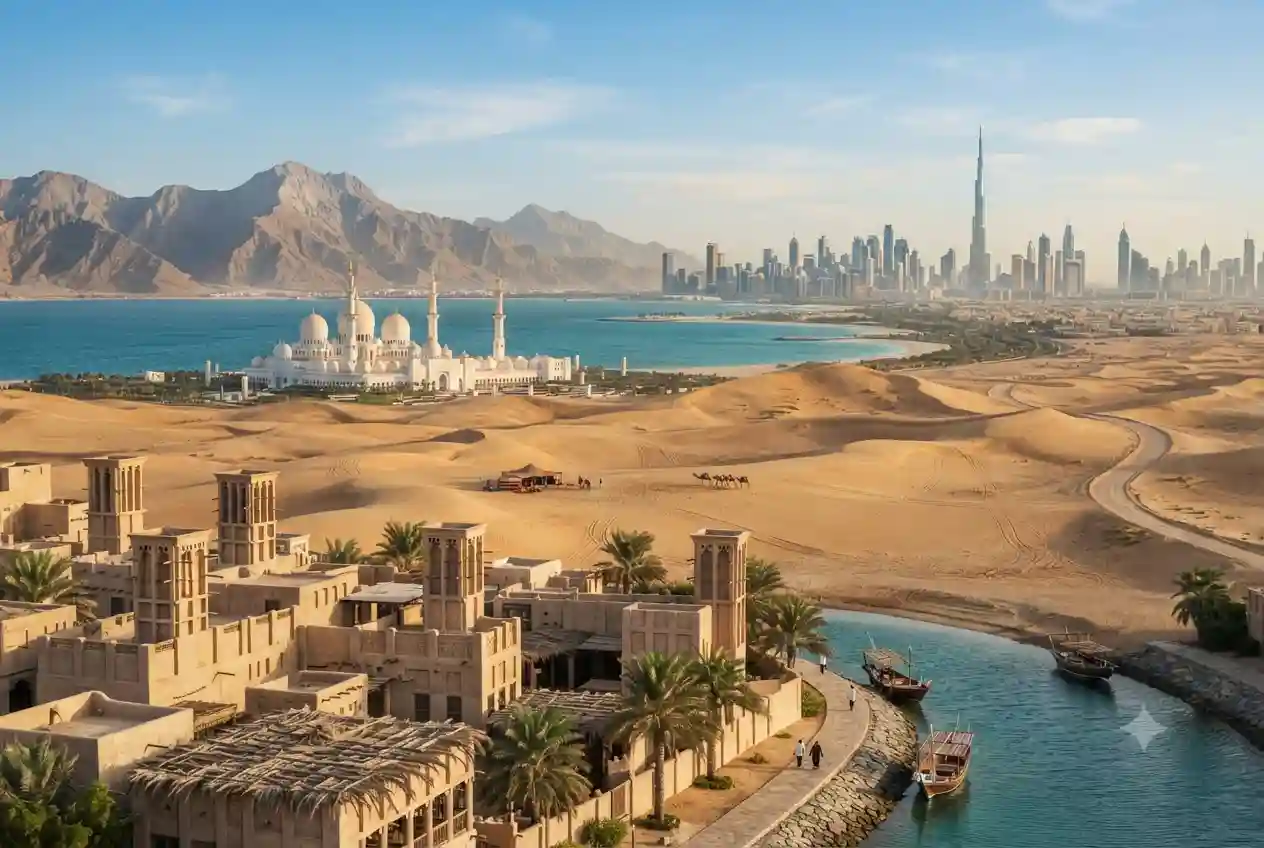
The UAE consists of seven emirates, and each offers a different travel experience. Dubai is ideal for modern attractions, shopping, entertainment, architecture, and beaches. Abu Dhabi combines major cultural landmarks, museums, islands, and family attractions.
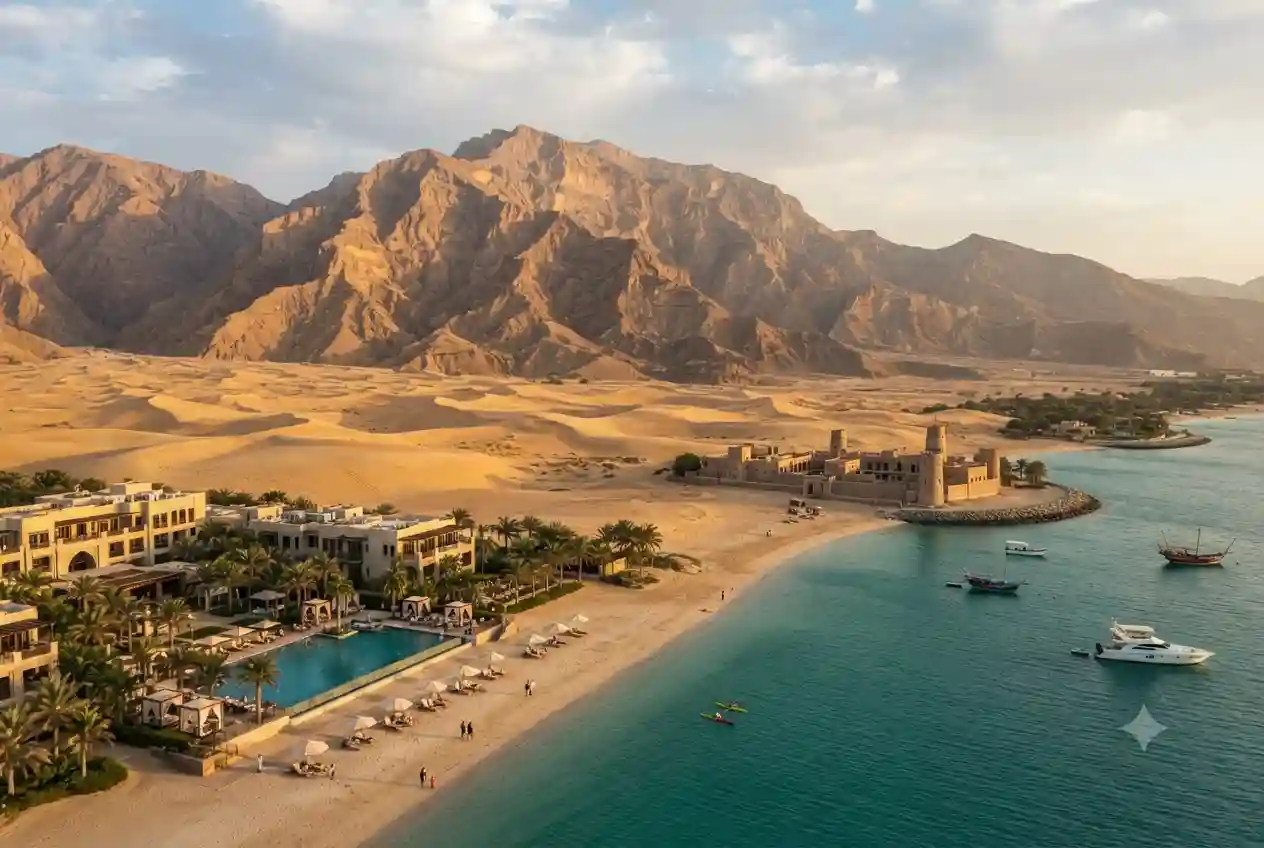
Sharjah is particularly appealing for heritage, museums, arts, and cultural experiences. Ras Al Khaimah offers mountains, beaches, deserts, and adventure activities, while Fujairah combines the Hajar Mountains with the Gulf of Oman coastline.
Ajman and Umm Al Quwain can provide quieter coastal experiences, while Al Ain offers an inland combination of oases, heritage, and mountain scenery.
If you are unsure which destinations fit your itinerary, our guides to where to go in UAE and UAE tourist spots can help you compare different types of destinations.
3. Consider the Weather When Planning Your Trip
Weather should influence your UAE itinerary, particularly if you plan to spend considerable time outdoors. Temperatures can become very high during the hotter part of the year, making prolonged outdoor sightseeing less comfortable.
During warmer periods, plan outdoor activities for early morning or later in the day where appropriate. The hottest hours can be better suited to museums, shopping centres, aquariums, indoor entertainment venues, restaurants, and other air-conditioned attractions.
The cooler months are generally more comfortable for walking tours, desert excursions, mountain trips, sightseeing, and extended beach visits. However, conditions can vary, so checking the forecast before outdoor activities remains useful throughout the year.
4. Pack for Both Weather and Culture
Lightweight clothing is useful in the UAE climate, but travellers should also pack clothes suitable for visiting religious and cultural locations. Some places may have specific expectations regarding modest dress or visitor attire.
A practical packing list can include comfortable walking shoes, lightweight clothing, sunglasses, sunscreen, a hat, a light layer for heavily air-conditioned indoor spaces, and suitable clothing for cultural sites.
If your itinerary includes mountain areas, desert excursions, beaches, or water activities, pack according to those environments as well. Footwear suitable for walking on uneven terrain can be particularly useful for outdoor excursions.
5. Respect Local Customs and Cultural Etiquette
Respecting local customs is one of the most important Dubai UAE travel advice considerations, but it applies across the entire country.
The UAE is an international destination, yet it retains strong cultural and religious traditions. Visitors should behave respectfully in public places and pay attention to the rules of individual attractions, religious sites, museums, and heritage areas.
Dress expectations can be more conservative at religious and traditional locations than at beaches, resorts, or modern shopping areas. Always follow posted guidance rather than assuming that the same clothing is appropriate everywhere.
Photography also deserves attention. Avoid photographing people without permission, particularly in sensitive or private situations, and follow restrictions at government buildings, religious sites, airports, and other locations where photography may be limited.
6. Plan Your Accommodation Around Your Itinerary
Choosing a hotel based only on its price can create unnecessary travel time. Location matters because attractions can be spread across large urban areas and different emirates.
In Dubai, for example, staying near your preferred attractions or a convenient public transport connection can make a noticeable difference. Visitors focusing on beaches may prefer coastal accommodation, while travellers interested in Downtown attractions may benefit from staying closer to central districts.
For Ras Al Khaimah, Fujairah, or desert-focused trips, accommodation should be selected according to the activities you intend to undertake. A resort near the beach can be ideal for a relaxing holiday but less convenient if your main goal is exploring mountain destinations.
7. Learn How to Get Around
Transportation options vary between emirates. Dubai has an extensive public transportation network that includes the Metro, buses, taxis, and other services. Abu Dhabi also has public buses and taxis, while private vehicles can be useful when travelling between different parts of the UAE.
If your itinerary focuses heavily on Dubai city attractions, public transportation and taxis may be sufficient. A rental car becomes more useful when visiting multiple emirates or travelling to mountain, desert, and rural destinations.
When renting a vehicle, check the licence requirements, insurance terms, deposit conditions, fuel policy, and any restrictions on where the vehicle can be driven.
8. Don’t Underestimate Travel Distances
One common mistake among first-time visitors is trying to fit too many destinations into one day. Although the UAE is geographically compact compared with many countries, traffic and distance between attractions can still consume significant time.
Instead of scheduling a morning attraction in one emirate and a distant afternoon attraction in another, group destinations by location whenever possible.
For example, you can dedicate one day to central Dubai attractions, another to a different part of the city, and separate days for Sharjah, Abu Dhabi, Ras Al Khaimah, or Fujairah if your schedule allows.
A less crowded itinerary often creates a better travel experience than attempting to check every landmark off a list.
9. Carry a Payment Card and Some Local Currency
The UAE is highly accustomed to card payments, particularly in hotels, restaurants, shopping centres, attractions, and other established businesses. Nevertheless, carrying some UAE dirhams can be convenient for smaller purchases, local markets, taxis, and situations where card payment is unavailable.
The local currency is the UAE dirham, commonly abbreviated as AED. Travellers should compare exchange rates and fees when deciding where to exchange money.
It is also sensible to notify your bank about international travel if your card issuer requires this and to understand any foreign transaction fees that may apply.
10. Use ATMs Carefully
ATMs are widely available, but travellers should still use reputable machines operated by established banks or recognised financial institutions.
If an ATM or payment terminal offers currency conversion into your home currency, review the exchange rate and fees before accepting the conversion. Depending on your card provider and the transaction, paying in the local currency can sometimes be preferable.
Keep your bank’s international support details accessible in case a card is blocked or lost while travelling.
11. Get a Local SIM or Travel Connectivity Plan
Reliable mobile connectivity is useful for navigation, ride-hailing, attraction bookings, restaurant reservations, translation, and staying in contact with accommodation providers.
Visitors can research local visitor SIM and mobile data packages before or after arrival. Airport locations can be convenient, but comparing available packages can help you choose a plan that matches the length of your stay and expected data usage.
Download important maps, booking confirmations, hotel information, and travel documents before leaving your home country in case mobile connectivity is temporarily unavailable.
12. Book Popular Attractions in Advance
Some of the UAE’s most popular attractions can become busy, particularly during peak travel periods. Booking ahead can help you secure a preferred date or time and make it easier to structure the rest of your itinerary.
This is particularly useful for major observation decks, theme parks, desert excursions, guided tours, popular experiences, and attractions with timed entry.
Always check the official attraction website before purchasing tickets from third parties. Review cancellation policies and make sure the booking includes everything you expect.
13. Plan Desert and Mountain Activities Carefully
Desert and mountain environments require more preparation than ordinary city sightseeing. Weather, terrain, distance from urban areas, and mobile coverage can all become relevant.
For desert excursions, choose an established operator and confirm what is included in the package. For mountain activities, research the route, difficulty, weather conditions, equipment requirements, and emergency arrangements before setting out.
Carry enough water, protect yourself from the sun, wear appropriate footwear, and avoid attempting activities beyond your experience level.
Our guide to activities in UAE can help you identify different types of experiences before deciding which ones suit your travel style.
14. Keep Emergency Information Accessible
Knowing how to get help is an essential part of responsible travel. The UAE government states that tourists can access dedicated assistance and lists emergency numbers for police, ambulance, and fire services.
Across the UAE, the emergency numbers are 999 for police, 998 for ambulance, and 997 for fire and Civil Defence. The official tourist assistance page also provides tourism police contact information for Dubai and Abu Dhabi. :contentReference[oaicite:1]{index=1}
Save your accommodation address, travel insurance details, emergency contacts, and embassy or consulate information on your phone. Keeping a copy of important documents separately from your passport can also be useful.
15. Understand UAE Driving Rules
If you plan to rent a car, take road safety seriously. Major UAE roads can be busy, and driving conditions may differ from what you are accustomed to at home.
Confirm that your driving licence is accepted for the type of rental you intend to use and understand the rental company’s insurance requirements. Follow posted speed limits and road signs, and never drive under the influence of alcohol or drugs.
If an accident occurs, follow the instructions of the relevant authorities and rental company. The UAE government advises calling police on 999 for road accidents and provides specific guidance for situations involving injuries or minor accidents. :contentReference[oaicite:2]{index=2}
16. Check What You Can Bring Into the UAE
Travellers should review customs requirements before packing medicines, food products, large quantities of cash, electronic equipment, or other items that may be regulated.
Particular care is required with medicines. Some medicines that are commonly available or prescribed in other countries can be controlled or restricted in the UAE.
If you travel with prescription medication, carry the relevant documentation and check current UAE requirements before departure. Do not assume that a medicine permitted in your home country is automatically unrestricted in the UAE.
17. Keep Your Passport Secure
Your passport is one of your most important travel documents. Keep it secure and follow your accommodation’s recommendations for storing valuables.
It is also sensible to keep digital and physical copies of important documents, including your passport identification page, visa or entry documentation, travel insurance details, and important booking confirmations.
Make sure your passport meets the UAE’s entry-validity requirements before travelling. The UAE government currently advises that passports should generally have at least six months of validity from the date of entry. :contentReference[oaicite:3]{index=3}
18. Don’t Try to See Everything in One Trip
One of the most useful UAE travel tips is simply to avoid overplanning. The country has enough attractions to fill multiple trips, and attempting to visit every major destination during a short holiday can make the experience exhausting.
Instead, select a few priorities. A first-time visitor might combine Dubai’s major landmarks with a desert experience. A longer trip could add Abu Dhabi and Sharjah. Travellers interested in nature can include Ras Al Khaimah or Fujairah.
This approach also leaves room for unexpected discoveries, relaxed meals, shopping, and downtime.
19. Balance Indoor and Outdoor Activities
The UAE makes this particularly easy because major cities offer extensive indoor attractions. If outdoor temperatures become uncomfortable, you can shift your itinerary towards museums, malls, aquariums, entertainment venues, restaurants, and indoor family attractions.
During more comfortable weather, reserve time for beaches, heritage walks, desert excursions, mountain trips, and outdoor sightseeing.
Building flexibility into your itinerary is better than planning every hour around outdoor activities regardless of conditions.
20. Be Flexible Around Local Events and Holidays
Public holidays, religious occasions, major events, school breaks, and large festivals can affect hotel prices, attraction crowds, traffic, and opening schedules.
Check current information before travelling and allow additional time for popular destinations during busy periods.
Some attractions may also adjust their schedules during religious occasions or special events, so confirming opening hours shortly before visiting is a useful habit.
21. Choose Food and Dining Experiences Wisely
The UAE offers an enormous range of dining options, from traditional Emirati food to restaurants representing cuisines from around the world. Travellers can experience local dishes alongside the international dining culture found in Dubai, Abu Dhabi, Sharjah, and other emirates.
For popular restaurants, reservations can be useful, especially during weekends and peak periods. Visitors with allergies or dietary restrictions should communicate their requirements clearly to restaurant staff.
When exploring traditional markets and food areas, look for busy, established establishments with good hygiene practices and appropriate food handling.
22. Keep Ramadan and Religious Etiquette in Mind
If your trip takes place during Ramadan, expect some changes in daily routines, dining schedules, business hours, and public activities. Visitors should respect the religious nature of the period and follow current local guidance.
Restaurants, attractions, and shopping centres may have adjusted schedules, while evenings can become particularly lively as communities gather for meals and social activities.
Rather than seeing Ramadan as a complication, travellers can use the opportunity to learn more about Emirati and Islamic traditions while respecting local practices.
23. Use Official Sources for Current Travel Information
Travel information can become outdated quickly, particularly visa rules, attraction schedules, transportation arrangements, weather warnings, and entry requirements.
For Dubai-specific planning, the official tourism website provides current information on visas, accommodation, getting around, safety, weather, currency, attractions, and other practical travel matters. :contentReference[oaicite:4]{index=4}
For country-wide requirements, use the official UAE government portal. This is particularly important for immigration, customs, healthcare, emergency information, and regulations.
24. Plan Around Your Main Travel Goal
The UAE can accommodate very different types of holidays. If your priority is sightseeing, focus on major landmarks and cultural attractions. If you want relaxation, consider a resort and beach-based itinerary.
Adventure travellers can prioritise desert, mountain, and marine activities. Families can combine entertainment venues with beaches and museums, while culture-focused visitors can spend more time in Sharjah, Abu Dhabi, Al Ain, and historic areas of Dubai.
Knowing your main travel goal makes it easier to decide which attractions deserve your time and which can be left for another visit.
Sample UAE Travel Planning Approach
A short Dubai trip could focus on Downtown Dubai, the city’s historic areas, a desert experience, and one beach or waterfront day.
A longer itinerary could add Abu Dhabi for cultural attractions and Yas Island, followed by Sharjah for museums and heritage. Travellers with additional time can then explore Ras Al Khaimah for mountains and adventure or Fujairah for its eastern-coast landscapes.
There is no single correct route. The best itinerary is the one that balances travel time with the experiences you actually want.
Final Travel Tips UAE Visitors Should Remember
The most useful travel tips UAE visitors can follow are simple: check your visa requirements, make sure your passport is valid, plan around the weather, respect local customs, choose accommodation carefully, understand transportation options, and keep important documents secure.
It is also worth leaving flexibility in your schedule. The UAE offers an unusually broad combination of modern attractions, cultural destinations, beaches, deserts, mountains, museums, and family experiences. Trying to see everything can turn a relaxing holiday into a rushed checklist.
Use official sources for information that can change, particularly entry requirements, safety guidance, customs rules, and attraction arrangements. With sensible preparation and a flexible itinerary, travelling through the UAE can be comfortable, straightforward, and rewarding.