Understanding the tourism meaning is useful for anyone interested in travel, destinations, hospitality, tourism businesses, or the economic and cultural role of visitors. Tourism is commonly associated with holidays and sightseeing, but the concept is broader than simply going on vacation.
Tourism involves people travelling away from their usual environment for purposes such as leisure, business, culture, visiting friends and relatives, education, wellness, or other activities. It connects travellers with destinations and creates demand for accommodation, transportation, food, attractions, entertainment, guides, events, and other services.
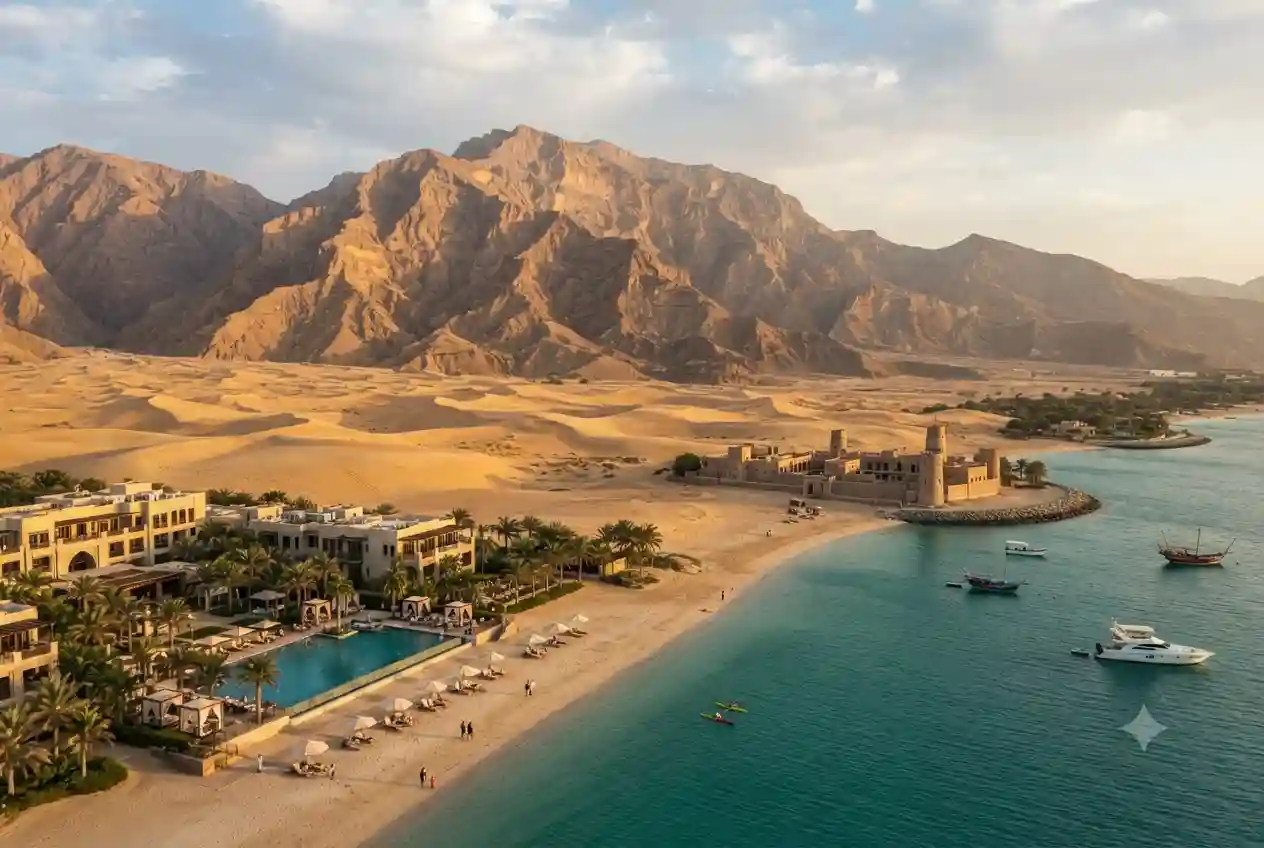
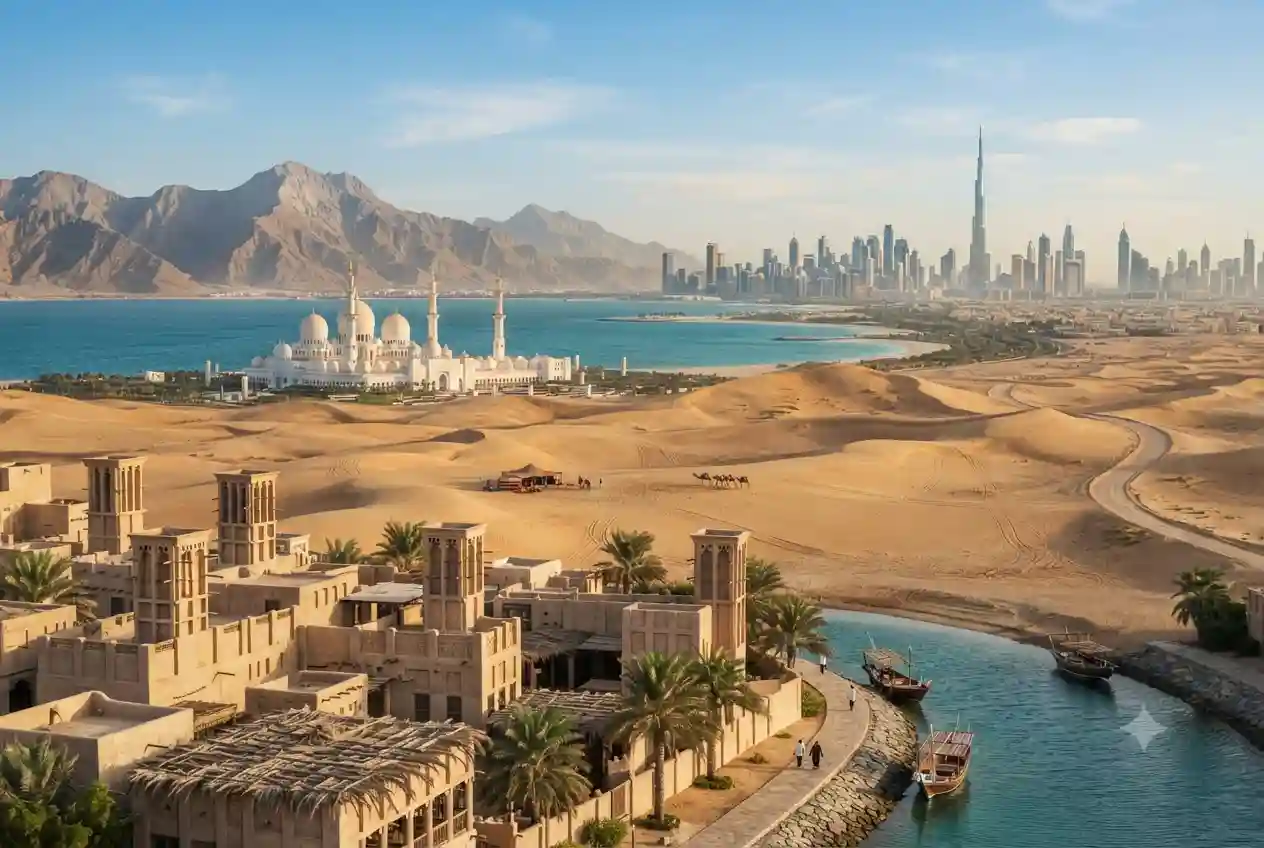
In a country such as the UAE, tourism can be seen across many different experiences. Visitors may explore famous landmarks in Dubai, museums and cultural destinations in Abu Dhabi and Sharjah, mountain landscapes in Ras Al Khaimah and Fujairah, desert environments, beaches, heritage sites, and family attractions.
This guide explains the tourism definition in simple terms, explores the major types of tourism, explains why tourism matters, and shows how the industry connects travellers with destinations and local communities.
What Is Tourism?
In simple terms, tourism is the activity associated with people travelling and visiting places outside their usual environment. It involves the visitor, the destination, the journey, and the goods and services that support the experience.
The internationally recognised terminology used by UN Tourism distinguishes tourism from travel more broadly. Travel includes movement between geographical locations for any purpose and duration, while tourism is a specific subset involving visitors. UN Tourism’s terminology also distinguishes tourists who stay overnight from same-day visitors. :contentReference[oaicite:0]{index=0}
This distinction is useful because not every person who travels is necessarily considered a tourist. Someone travelling permanently to another location, for example, has a different relationship with travel from someone temporarily visiting a destination for leisure or another tourism-related purpose.
Tourism Definition in Simple Words
A practical tourism definition is: tourism is the temporary movement of people to destinations outside their usual environment and the activities, experiences, and services connected with that visit.
Tourism therefore includes more than the journey itself. When someone visits a destination, they may stay in a hotel, use local transportation, eat at restaurants, visit attractions, purchase products, attend events, hire guides, or participate in recreational activities.
All of these interactions form part of the wider tourism system.
What Is the Difference Between Tourism and Travel?
Travel and tourism are closely related but are not exactly the same thing.
Travel refers broadly to moving between different geographical locations. People travel for many reasons, including work, relocation, family responsibilities, education, personal commitments, and leisure.
Tourism focuses on visitors and the activities connected with temporary visits outside their usual environment. This means tourism is one part of the broader concept of travel.
For example, someone travelling from Dubai to Abu Dhabi for a temporary leisure trip may be participating in tourism. Someone permanently relocating from one city to another is travelling but is not necessarily engaging in tourism.
This distinction is also reflected in UN Tourism terminology, which describes the visitor as a particular type of traveller and tourism as a subset of travel. :contentReference[oaicite:1]{index=1}
What Are the Main Types of Tourism?
Tourism can be divided into different categories based on the reason for travel, the destination, the activities involved, or the type of experience visitors want.
Leisure Tourism
Leisure tourism is one of the most familiar forms of tourism. It involves travelling for relaxation, recreation, sightseeing, entertainment, beaches, shopping, cultural experiences, or other personal interests.
A family holiday in Dubai, a beach break in Fujairah, or a weekend exploring Ras Al Khaimah can all fall under leisure tourism.
Cultural Tourism
Cultural tourism focuses on the history, traditions, architecture, art, heritage, food, and cultural identity of a destination.
Visitors interested in cultural tourism may explore museums, historic districts, archaeological sites, traditional markets, religious architecture, heritage villages, galleries, and cultural festivals.
Sharjah is particularly relevant to this form of tourism because of its museums, heritage areas, arts institutions, and cultural attractions.
Our guide to Visit Sharjah explores how the emirate combines cultural experiences with nature, family attractions, and outdoor destinations.
Adventure Tourism
Adventure tourism involves activities that provide physical challenges, outdoor exploration, or a stronger sense of excitement. Depending on the destination, this can include hiking, mountain activities, diving, rafting, desert excursions, cycling, and other outdoor pursuits.
In the UAE, adventure tourism can include mountain activities around Jebel Jais, desert experiences, diving and snorkelling in Fujairah, and other outdoor activities across the country.
Medical Tourism
Medical tourism involves travelling to another destination to receive healthcare or medical treatment. This can include planned procedures, dental treatment, diagnostics, elective care, specialist treatment, or other healthcare services.
The UAE has developed infrastructure to support international patients, particularly in major healthcare destinations such as Dubai and Abu Dhabi.
For a more detailed explanation of this segment, see our guide to medical tourism UAE.
Business Tourism
Business tourism involves travel connected with professional activities such as meetings, conferences, exhibitions, trade events, corporate gatherings, and business-related visits.
Major cities with international airports, hotels, conference facilities, exhibition centres, and business districts can become important business tourism destinations.
Dubai and Abu Dhabi are examples of UAE cities where business and leisure tourism frequently exist alongside each other.
Ecotourism
Ecotourism focuses on experiencing natural environments while paying attention to conservation, responsible visitor behaviour, and the wellbeing of local communities.
Nature-based tourism can include mangrove experiences, wildlife observation, desert landscapes, mountain environments, protected areas, and other natural destinations.
Responsible tourism increasingly emphasises protecting the natural and cultural resources that make destinations attractive in the first place. UN Tourism describes tourism as having a role in economic growth, inclusive development, and environmental sustainability. :contentReference[oaicite:2]{index=2}
Wellness Tourism
Wellness tourism involves travel motivated by activities that support physical or mental wellbeing. Depending on the destination, this can include spa experiences, fitness retreats, relaxation programmes, wellness resorts, and other health-focused activities.
Luxury hospitality destinations often combine wellness services with accommodation, dining, leisure, and recreational experiences.
Religious Tourism
Religious tourism involves travel connected with faith, religious sites, pilgrimages, spiritual experiences, or visits to places of religious and historical importance.
Religious tourism can overlap with cultural tourism because historic places of worship often provide insight into the architecture, traditions, and history of a destination.
Family Tourism
Family tourism refers to travel designed around experiences suitable for families and different age groups. Attractions can include theme parks, water parks, aquariums, museums, beaches, wildlife centres, and interactive educational destinations.
The UAE has developed a broad family tourism offering, particularly in Dubai and Abu Dhabi, while other emirates provide beaches, mountains, nature experiences, and cultural attractions suitable for family itineraries.
Domestic and International Tourism
Tourism can also be classified according to where the visitor normally lives in relation to the destination.
Domestic tourism occurs when residents travel within their own country. For example, a UAE resident travelling from Dubai to Fujairah or Ras Al Khaimah for a holiday is participating in domestic tourism.
International tourism involves crossing an international border. An overseas visitor travelling to Dubai, Abu Dhabi, Sharjah, or another UAE destination for a temporary visit is an international tourist.
Both forms can contribute to the tourism economy. Domestic visitors can support destinations throughout the year, while international visitors bring demand from overseas markets.
Why Is Tourism Important?
Tourism can influence destinations in several ways. It creates demand for accommodation, transportation, restaurants, attractions, entertainment, retail, tour operators, travel agencies, event services, and other businesses.
This means tourism can create opportunities across a broad network rather than only benefiting hotels or attractions.
Tourism can also encourage investment in infrastructure. Airports, roads, public spaces, cultural facilities, entertainment venues, hospitality developments, and visitor services may all be influenced by tourism demand.
At the same time, tourism needs careful planning. Excessive visitor pressure can affect natural environments, cultural sites, infrastructure, housing, and local communities. Responsible destination management therefore becomes an important part of long-term tourism development.
How Tourism Benefits Local Communities
When tourism is managed effectively, local communities can benefit through employment, business opportunities, cultural activities, and demand for locally produced goods and services.
Small businesses can participate in tourism through restaurants, handicrafts, guided experiences, transportation, accommodation, food production, cultural activities, and other services.
Tourism can also encourage communities to preserve historic buildings, traditions, crafts, landscapes, and cultural practices when these resources are valued as part of the destination’s identity.
UN Tourism’s work on rural destinations, for example, emphasises tourism’s potential to support local prosperity, preserve traditions, protect biodiversity, and strengthen community wellbeing. :contentReference[oaicite:3]{index=3}
How Tourism Affects the UAE
Tourism plays an important role in the UAE‘s international image and visitor economy. The country’s airports, hotels, attractions, shopping destinations, cultural institutions, restaurants, beaches, desert experiences, and entertainment venues all contribute to a broad tourism ecosystem.
Each emirate adds a different element to that ecosystem. Dubai is strongly associated with modern architecture, shopping, entertainment, and international hospitality. Abu Dhabi combines cultural attractions, museums, islands, beaches, and family experiences.
Sharjah contributes heritage and arts, while Ras Al Khaimah and Fujairah offer mountains, outdoor experiences, and coastal destinations. Ajman and Umm Al Quwain provide additional opportunities for visitors interested in quieter coastal experiences.
Our guide to tourist places UAE provides a broader overview of the destinations visitors can explore across the country.
What Is a Tourism Destination?
A tourism destination is more than a single attraction. It is a place where visitors can access a combination of experiences, products, services, infrastructure, and activities.
For example, Dubai is a tourism destination because it offers accommodation, transportation, attractions, restaurants, shopping, entertainment, beaches, cultural sites, and other services that together create a visitor experience.
UN Tourism describes a tourism destination as a physical space where a visitor can spend an overnight stay and where products, services, activities, and experiences come together around the visitor journey. :contentReference[oaicite:4]{index=4}
This explains why successful tourism destinations usually require cooperation between many different stakeholders rather than relying on one attraction.
What Is a Tourism Product?
A tourism product is the combination of elements that creates an experience for a visitor. This can include attractions, accommodation, transportation, activities, services, facilities, cultural resources, natural resources, and other components.
For example, a desert safari is not simply a vehicle driving through dunes. The wider tourism product may include transportation, a guide, activities, food, entertainment, safety arrangements, and the overall visitor experience.
UN Tourism’s terminology describes tourism products as combinations of tangible and intangible elements, including natural, cultural, and human-made resources, facilities, services, and activities. :contentReference[oaicite:5]{index=5}
What Are Tourism Activities?
Tourism activities are the actions visitors undertake during their trips. These can range from sightseeing and shopping to hiking, swimming, museum visits, dining, cultural experiences, desert excursions, sporting activities, and entertainment.
The activities selected by visitors depend on their interests, destination, budget, available time, and the type of tourism they are pursuing.
In the UAE, travellers can choose from an especially broad range of activities. Our guide to activities in UAE covers options ranging from desert adventures and beaches to cultural experiences, family entertainment, and mountain trips.
Tourism and Sustainable Development
Tourism can create economic and social opportunities, but long-term success depends on responsible development. Destinations need to protect the natural and cultural resources that attract visitors while ensuring that tourism benefits do not come at an unsustainable cost.
Sustainable tourism considers environmental, economic, and social factors. This can involve protecting ecosystems, reducing waste, supporting local businesses, preserving heritage, managing visitor numbers, and encouraging responsible behaviour.
UN Tourism promotes tourism as a driver of economic growth, inclusive development, and environmental sustainability, demonstrating that tourism policy increasingly looks beyond visitor numbers alone. :contentReference[oaicite:6]{index=6}
Tourism in the Digital Age
Technology has changed how people discover, compare, book, and experience destinations. Travellers can research attractions online, compare accommodation, book flights and activities, use digital maps, read reviews, and communicate with hotels and tour operators through mobile devices.
Digital platforms have also changed how destinations market themselves. Tourism authorities, hotels, attractions, airlines, restaurants, and travel businesses can reach international audiences without relying entirely on traditional advertising.
For travellers, this creates greater choice but also makes it important to evaluate information carefully. Official destination websites are particularly useful for checking current opening hours, entry requirements, transportation information, and travel guidance.
Why Tourism Meaning Matters for Travellers
Understanding the meaning of tourism helps travellers see destinations as more than collections of attractions. Every trip involves interactions between visitors, businesses, communities, culture, infrastructure, and the natural environment.
This broader perspective can encourage more responsible travel. Visitors can support local businesses, respect cultural customs, protect natural environments, avoid damaging heritage sites, and make choices that contribute positively to the places they visit.
In the UAE, this can mean respecting cultural expectations, following rules at heritage and religious sites, using licensed tourism operators, protecting natural areas, and exploring destinations beyond the most famous landmarks.
Tourism vs Tourist: What Is the Difference?
The words tourism and tourist are related but describe different things.
A tourist is an individual visitor whose trip includes an overnight stay, according to the terminology used in international tourism statistics. A same-day visitor or excursionist does not stay overnight. :contentReference[oaicite:7]{index=7}
Tourism, on the other hand, describes the broader activity and system involving visitors, their trips, destinations, experiences, and the businesses and services that support those trips.
In simple terms, the tourist is the person, while tourism describes the wider activity and sector surrounding the visit.
Tourism and the Future of Travel
The tourism industry continues to evolve as travellers look for different experiences and destinations respond to changing expectations. Cultural authenticity, nature, wellness, technology, sustainability, personalised experiences, and responsible travel are increasingly important considerations in destination development.
The UAE is well positioned to offer a wide variety of tourism experiences because its destinations combine modern infrastructure with cultural attractions, natural landscapes, hospitality, and international connectivity.
The country’s tourism landscape is also becoming more diverse. Visitors can move beyond traditional city sightseeing and explore mountains, deserts, coastal areas, heritage destinations, museums, wellness experiences, and nature-based attractions.
Final Thoughts on Tourism Meaning
The tourism meaning goes well beyond taking a holiday. Tourism describes a broad system of temporary visits, experiences, destinations, businesses, services, infrastructure, and interactions between travellers and the places they visit.
The tourism definition becomes easier to understand when viewed through its different forms, including leisure, cultural, adventure, medical, business, wellness, family, and nature-based tourism. Each type reflects a different reason for travelling and creates different requirements for destinations.
In the UAE, tourism can be experienced through world-famous city landmarks, cultural attractions, beaches, deserts, mountains, museums, heritage areas, and family destinations across all seven emirates.
For travellers, understanding tourism can also encourage better choices. A meaningful trip is not only about seeing famous places. It can also involve respecting local culture, supporting communities, protecting natural environments, and experiencing destinations in a responsible way.