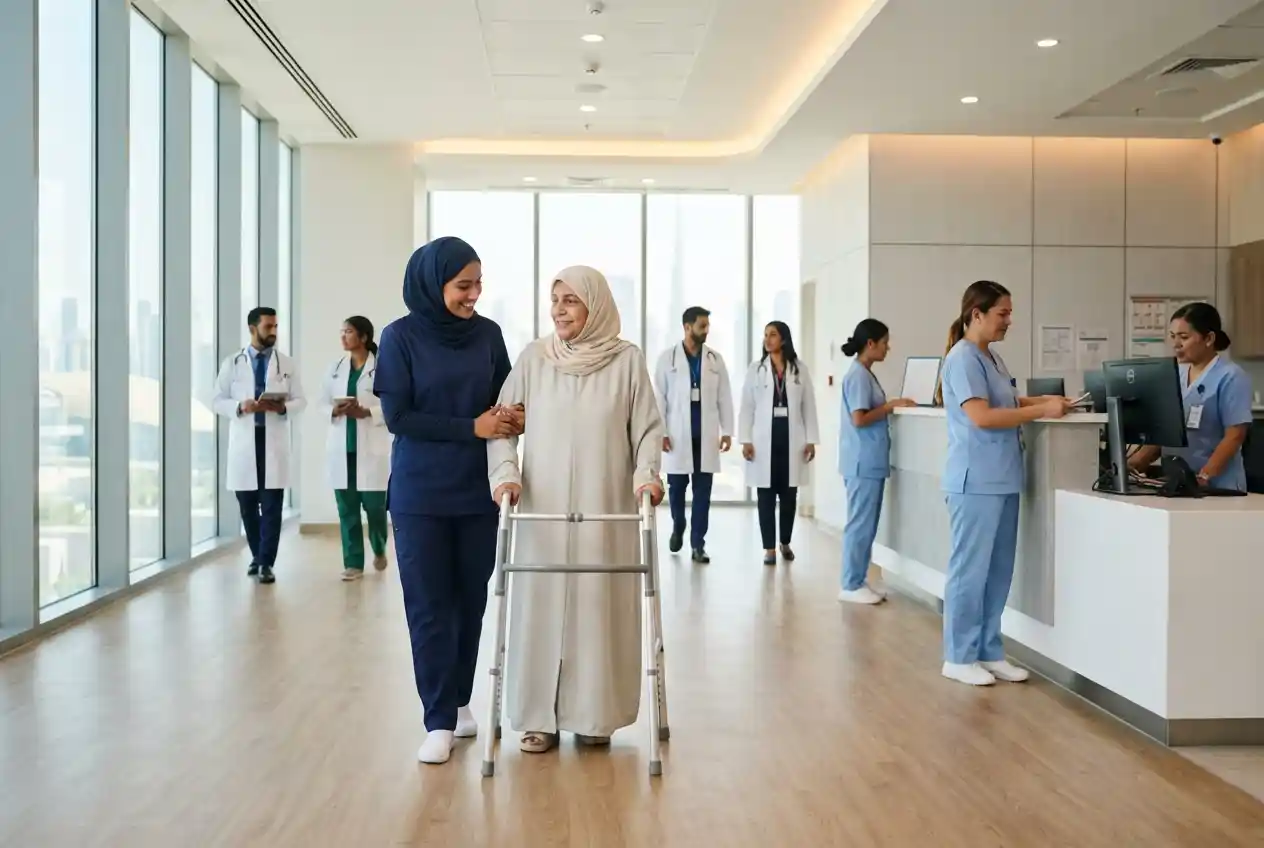









Healthcare careers in the UAE cover far more than doctors and nurses. The country’s healthcare sector includes clinical professionals, allied health specialists, pharmacists, laboratory teams, healthcare administrators, technology professionals, researchers, support staff and management specialists. As healthcare organisations continue to develop hospitals, clinics, specialist centres, digital services and home-based care, professionals with different skills can find opportunities across the sector.
For anyone considering a career in healthcare, understanding the different pathways is important. Some positions require extensive clinical education and professional licensing, while others focus on administration, technology, finance, operations, marketing or patient services. The requirements can therefore vary considerably from one role to another.
The UAE also has a diverse healthcare environment, with major organisations operating across Dubai, Abu Dhabi and other emirates. Professionals should research the qualifications, licensing requirements and employment conditions applicable to their specific occupation before applying.
What Are Healthcare Careers?
Healthcare careers are professional roles connected directly or indirectly with the prevention, diagnosis, treatment, management and delivery of healthcare. Clinical careers include physicians, nurses, pharmacists, dentists and allied health professionals. Non-clinical careers can include healthcare administrators, operations managers, finance specialists, human resources professionals, technology teams and other business functions.
This diversity means that people with different educational backgrounds can contribute to the healthcare industry. However, roles involving direct clinical practice generally have specific professional education, licensing and competency requirements.
Popular Healthcare Career Paths in the UAE
Doctors and Physicians
Physicians work across numerous specialties, including internal medicine, surgery, paediatrics, cardiology, dermatology and many others. Becoming a doctor generally involves substantial education, clinical training and professional licensing.
Specialist and consultant positions may require additional postgraduate qualifications and professional experience. Candidates should verify the current licensing requirements relevant to their specialty and intended workplace.
Nursing Careers
Nurses are an essential part of healthcare delivery. Their responsibilities can include patient monitoring, clinical care, education, treatment support and coordination with other healthcare professionals.
Nursing opportunities exist across hospitals, clinics, rehabilitation facilities, long-term care settings and home healthcare organisations. The exact responsibilities depend on the professional’s qualifications, licence and role.
Pharmacy Careers
Pharmacists and pharmacy professionals work with medicines, patient education, medication safety and pharmaceutical services. Career opportunities can exist in hospitals, community pharmacies, pharmaceutical organisations and other healthcare environments.
Allied Health Careers
Allied health includes a broad range of professional disciplines such as physiotherapy, occupational therapy, radiography, medical laboratory science, nutrition and other specialised fields.
These professionals often work alongside physicians and nurses to support diagnosis, treatment and rehabilitation. The required qualifications and licensing arrangements vary by profession.
Healthcare Administration
Healthcare organisations need professionals who can manage operations, scheduling, finance, human resources, quality processes and other administrative functions. These roles can suit candidates who have backgrounds in business, management, healthcare administration or related disciplines.
People interested in leadership and administration can also explore the wider field of healthcare management in the UAE, including management education and career pathways.
Healthcare Technology Careers
Digital transformation has created opportunities for professionals working in healthcare information technology, software, data, cybersecurity and digital health. These roles can connect technical expertise with the operational requirements of hospitals, clinics and healthcare organisations.
Why Consider a Healthcare Career in the UAE?
The UAE has developed a substantial healthcare infrastructure serving a diverse population. Healthcare professionals may work in hospitals, specialist clinics, medical groups, diagnostic centres, pharmacies, rehabilitation facilities, insurance organisations and other parts of the healthcare ecosystem.
The industry also includes both established institutions and organisations investing in new technologies and service models. This can create different career pathways for people with clinical and non-clinical expertise.
However, candidates should evaluate opportunities carefully. Job titles, professional requirements, salaries and employment benefits can vary significantly between employers and roles.
Qualifications Required for Healthcare Careers
Qualifications depend heavily on the position. A physician, registered nurse, pharmacist, physiotherapist and healthcare administrator will not have the same educational pathway or professional requirements.
Clinical Qualifications
Clinical professionals generally need an appropriate recognised qualification followed by any required practical training, examinations, registration or licensing. Internationally trained professionals should pay particular attention to the current requirements of the relevant UAE healthcare authority.
Non-Clinical Qualifications
Healthcare administration and business roles may accept degrees in healthcare management, business administration, finance, human resources, information technology or related fields. Some senior positions may also require postgraduate education and relevant industry experience.
Professional Licensing in the UAE
Professional licensing is an important consideration for many healthcare occupations. The exact authority and requirements can depend on the emirate, profession and intended place of employment.
Applicants should use current information from the relevant UAE healthcare regulator and employer rather than relying on outdated job advertisements or informal online advice. Requirements can change, and professionals may need to provide documentation related to education, experience, registration and professional standing.
Licensing should therefore be treated as an essential part of career planning rather than something to consider only after receiving a job offer.
Skills That Can Help Healthcare Professionals
Technical knowledge is important, but successful healthcare professionals also need strong interpersonal and professional skills.
- Clear communication with patients and colleagues
- Ability to work effectively within multidisciplinary teams
- Strong attention to detail
- Professional ethics and responsibility
- Adaptability in changing healthcare environments
- Time and workload management
- Commitment to continuous learning
- Ability to use relevant healthcare technology
For clinical professionals, patient safety and professional competence remain fundamental. For non-clinical professionals, analytical thinking, leadership, organisation and communication can be equally important.
Healthcare Careers at Major UAE Organisations
People researching the UAE healthcare market may encounter career opportunities associated with major organisations and healthcare groups. Search terms such as GE Healthcare careers, Mubadala healthcare careers, VPS healthcare careers, Prime Healthcare careers and Cigna healthcare careers reflect interest in different parts of the healthcare and health insurance ecosystem.
Other searches may include Amana healthcare careers, First Response healthcare careers or MPC healthcare careers. Each organisation can have its own recruitment process, eligibility criteria, professional requirements and available vacancies.
Candidates should always review the current official careers information of an employer and verify that a vacancy is still active before preparing an application.
How to Search for Healthcare Jobs in the UAE
A targeted job search is generally more effective than applying randomly to every healthcare vacancy. Start by identifying the exact role, specialty, location and level of experience that match your profile.
Define Your Target Role
Decide whether you are looking for a clinical position, administrative role, technology position, management opportunity or another healthcare-related career. This helps narrow the search and makes it easier to identify suitable employers.
Prepare Your Professional Documents
Your CV should clearly present your education, professional experience, certifications, licensing status and relevant skills. Clinical professionals should ensure that their qualifications and professional registration information are accurately presented.
Research Employers
Review the organisation’s services, locations, work environment and current vacancies before applying. A healthcare employer may have different requirements for different departments, so a general application may be less effective than one tailored to a specific position.
Check the Job Requirements
Read each vacancy carefully. Pay attention to required qualifications, years of experience, professional licensing, specialty knowledge, language skills and other conditions.
Healthcare Careers and Management Opportunities
Not every healthcare professional remains in direct patient care throughout their career. Experienced professionals may move into management, administration, quality, operations, education or leadership roles.
Postgraduate education can be useful for professionals planning such a transition. An MBA or specialised healthcare management qualification may help candidates develop skills in strategy, finance, operations and organisational leadership, depending on the career path.
Career Development in Healthcare
Healthcare is a field in which learning continues throughout a professional career. Clinical practices, technologies, regulations and treatment approaches can change over time, creating a need for ongoing professional development.
Professionals should maintain current knowledge within their specialty and understand any continuing education or professional development expectations that apply to their occupation.
Non-clinical professionals can similarly benefit from learning about healthcare operations, digital transformation, data management and regulatory considerations. These skills can make business and management professionals more effective within healthcare organisations.
Challenges to Consider Before Choosing a Healthcare Career
Healthcare can be rewarding, but it can also be demanding. Clinical professionals may work shifts, weekends or extended hours depending on their role and employer. Patient-facing positions can involve emotional pressure, complex decision-making and significant responsibility.
International professionals may also need to navigate qualification recognition, licensing and relocation requirements before they can begin working. Candidates should research these processes carefully and allow enough time for documentation and verification.
Healthcare Careers and the Future of the Industry
The healthcare industry is evolving through digital transformation, specialised care, home-based services and new approaches to patient management. These developments can create demand for professionals who combine healthcare expertise with technology, management or data skills.
Home-based care is one example. As healthcare organisations expand services outside traditional facilities, professionals may find opportunities in nursing, rehabilitation, care coordination and healthcare operations.
Similarly, the growing use of digital systems is creating roles that connect healthcare with information technology and data. This means the future healthcare workforce is likely to include an increasingly broad mix of professional backgrounds.
Healthcare Careers vs Healthcare Jobs
The terms healthcare careers and healthcare jobs are closely related, but there is a useful distinction. A job is a specific employment opportunity, while a career refers to the longer professional path a person builds over time.
Someone beginning as a healthcare assistant, nurse or administrator may later gain additional qualifications and move into a specialised or management position. Thinking about the longer career pathway can help candidates choose education and employment opportunities more strategically.
For candidates specifically searching for open positions, our guide to healthcare jobs in Dubai can provide a more focused starting point.
End Note
Healthcare careers in the UAE span clinical care, nursing, pharmacy, allied health, administration, management, technology and many other areas. The right pathway depends on a person’s qualifications, professional interests, experience and long-term goals.
Candidates should research licensing requirements carefully, prepare accurate professional documents and evaluate employers before applying. Healthcare is a highly regulated sector, so relying on current official information is particularly important.
With appropriate qualifications, professional development and careful career planning, healthcare professionals can build a wide range of career paths within the UAE’s evolving healthcare sector.