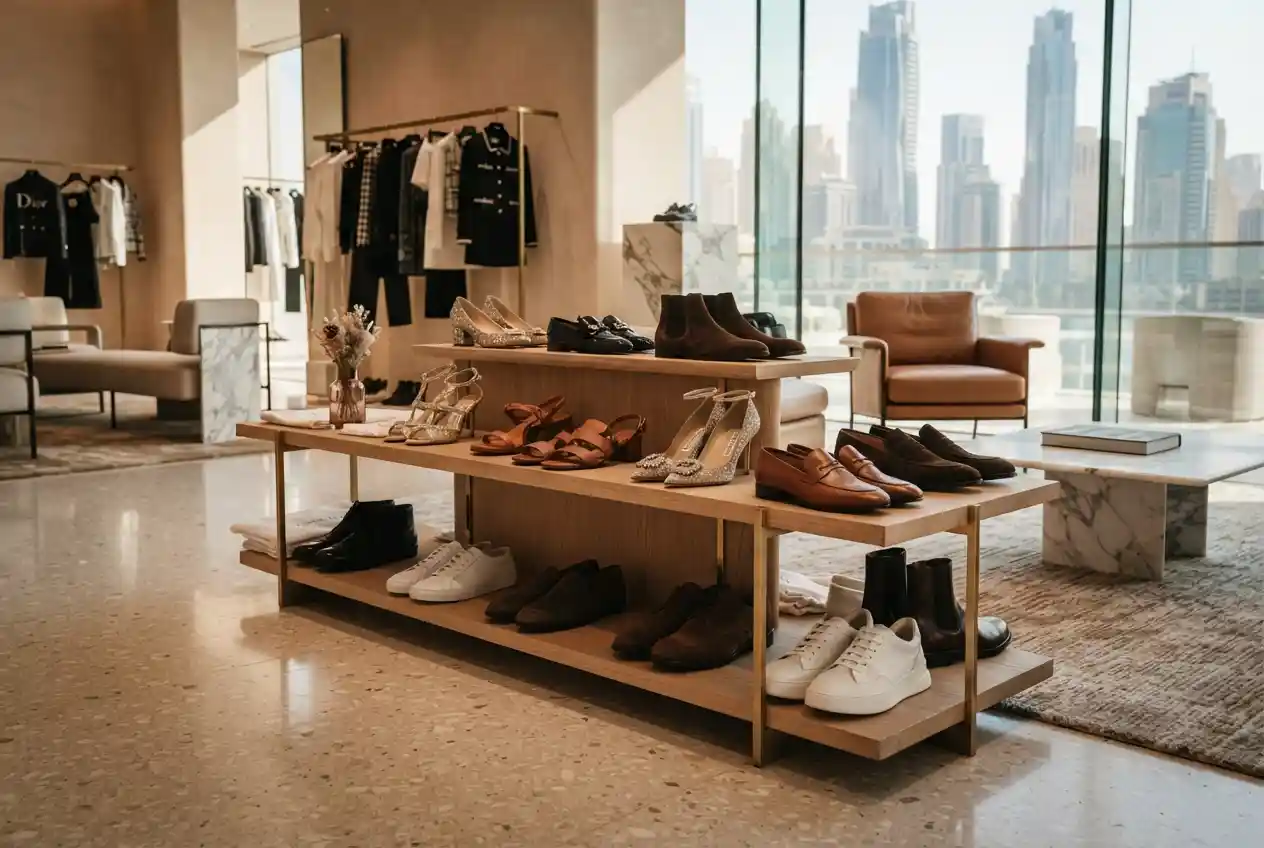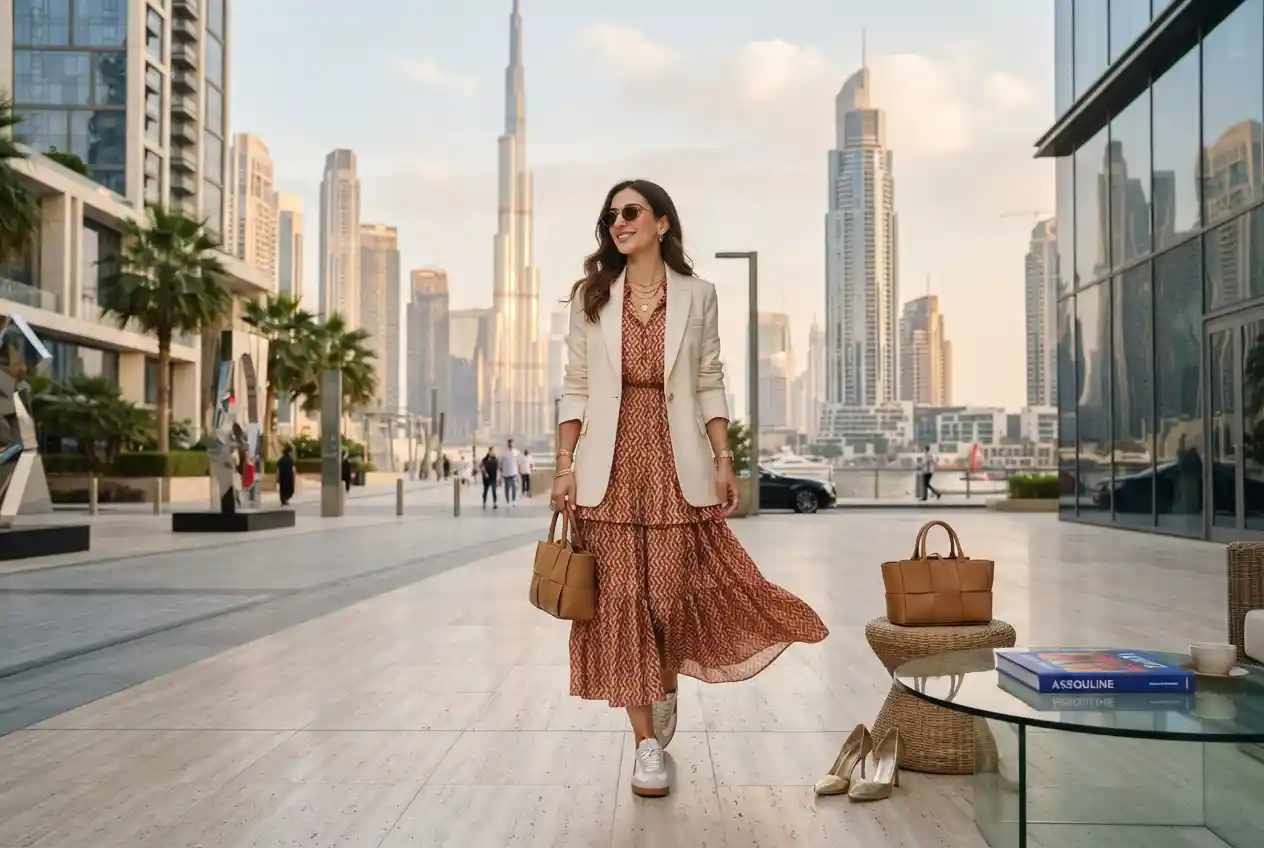









A fashion stylist does much more than select attractive clothes. In a modern fashion production, the stylist helps shape the visual identity of a person, collection, campaign, editorial, or brand. From choosing garments and accessories to creating a complete look that works in front of a camera, styling sits at the intersection of fashion, creativity, communication, and commercial strategy.
The UAE, particularly Dubai, offers an active environment for fashion professionals working across advertising, e-commerce, editorial shoots, luxury campaigns, events, personal styling, and brand content. The city also provides access to photographers, designers, models, production teams, retailers, and creative agencies, making it an interesting market for people considering a career in fashion styling.
For anyone researching becoming a fashion stylist, understanding the profession is an important first step. A successful stylist needs a strong eye for proportion and colour, an understanding of fabrics and silhouettes, excellent organisation, and the ability to turn a creative brief into a polished visual result.
What Does a Fashion Stylist Do?
A fashion stylist creates and coordinates the clothing and accessories used to achieve a particular visual direction. The exact responsibilities depend on the project. A commercial campaign may require the stylist to follow a strict brand identity, while an editorial shoot may provide more freedom for experimentation.
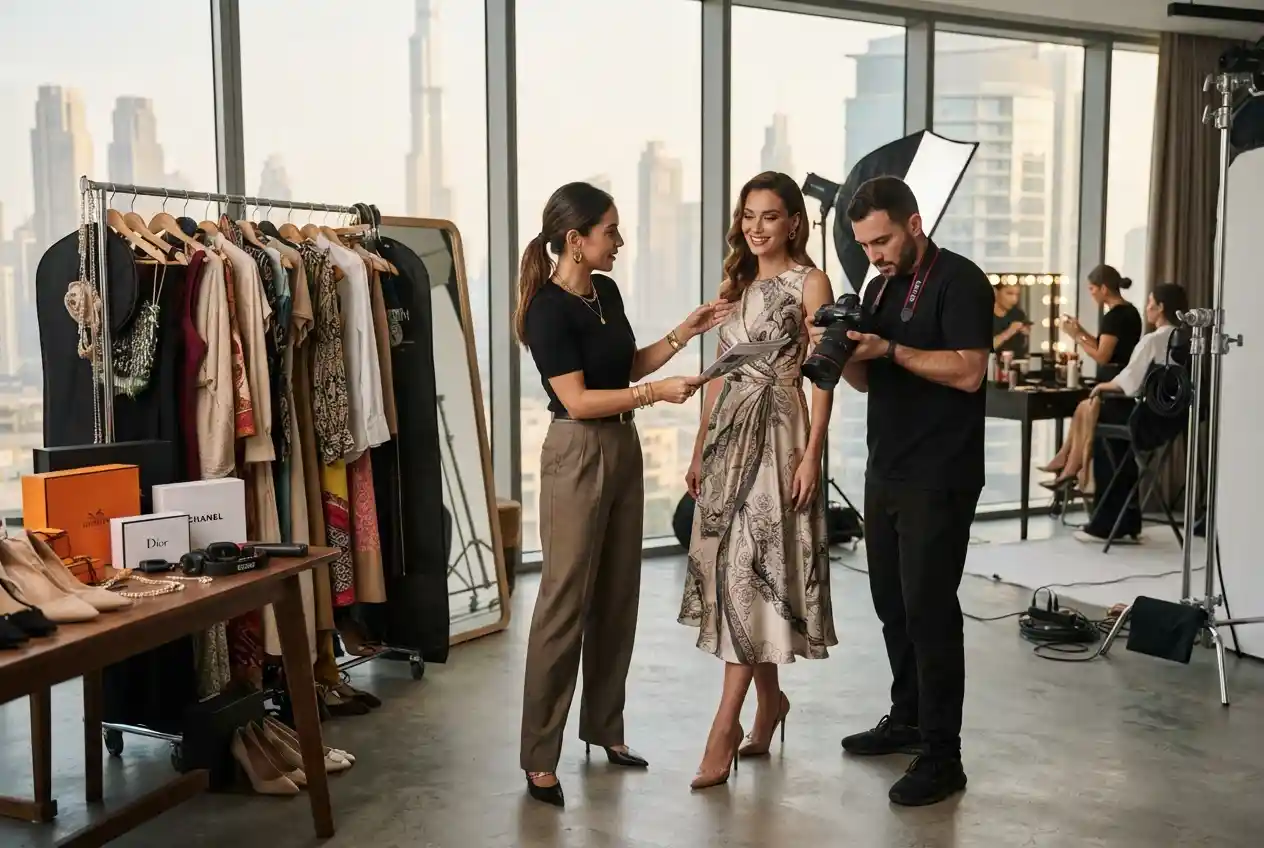
Typical responsibilities can include researching references, developing mood boards, selecting garments, sourcing accessories, coordinating fittings, preparing outfits, managing wardrobe changes, and making adjustments during a shoot.
For fashion photography, the stylist also needs to think about how garments will appear under lighting and through the camera lens. Small details such as fabric texture, layering, proportions, jewellery, footwear, and colour balance can significantly affect the final image.
Fashion Stylist vs Fashion Consultant
A fashion consultant and a stylist can perform overlapping roles, but their primary objectives are often different. A stylist generally focuses on creating a specific look or visual story for a person, campaign, shoot, event, or publication.
A fashion consultant may work more broadly with an individual or business to improve personal style, wardrobe choices, brand presentation, or fashion direction. Depending on the professional and project, one person may offer both styling and consulting services.
In Dubai’s fashion market, styling can extend from personal image consulting to commercial campaigns, e-commerce photography, editorial productions, and fashion events. This means aspiring professionals can explore several directions rather than limiting themselves to one type of styling.
How to Become a Fashion Stylist
There is no single route into styling. Some professionals study fashion design or related subjects, while others build their careers through practical experience, assisting established stylists, developing portfolios, and working with creative teams.
If you are interested in becoming a fashion stylist, start by developing a strong understanding of clothing. Learn how different silhouettes work on different body proportions, how colours interact, how fabrics behave, and how accessories can change the character of an outfit.
Practical experience is equally important. Assisting on shoots can teach you how wardrobe is organised, how fittings work, how garments are prepared, and how quickly decisions sometimes need to be made on set.
You can also develop your own styling projects. Create several looks around different concepts and photograph them professionally. A portfolio showing your ability to interpret different briefs is often more useful than simply displaying a collection of personal outfits.
Skills Every Fashion Stylist Needs
Strong Visual Judgment
A stylist needs to recognise whether individual pieces work together and whether the overall look communicates the intended idea. This involves colour, shape, texture, proportion, accessories, and styling details.
Knowledge of Fashion
Understanding designers, fabrics, fashion history, current trends, regional preferences, and different style categories helps a stylist make informed decisions. In the UAE, cultural awareness is particularly valuable because fashion projects can involve diverse audiences and different approaches to modesty and presentation.
Organisation
Styling can involve multiple garments, accessories, fittings, returns, deliveries, models, locations, and shooting schedules. Strong organisational skills help prevent missing pieces and last-minute problems.
Communication
Stylists regularly work with photographers, models, designers, makeup artists, hair stylists, creative directors, production teams, and clients. Being able to explain a visual idea clearly is an essential professional skill.
Adaptability
Creative projects rarely go exactly according to the original plan. A garment may not fit correctly, a location may change, or a particular colour may not photograph as expected. A good stylist can adapt without losing the core creative direction.
The Role of a Fashion Stylist in Dubai Photography
Dubai has a wide range of fashion photography work, including advertising campaigns, model portfolios, e-commerce content, designer lookbooks, editorials, runway coverage, and social media campaigns. Professional production teams often bring together photographers, stylists, makeup artists, models, and other specialists.
Anyone searching for a fashion photographer Dubai project should understand that photography and styling work closely together. The photographer controls elements such as lighting, framing, and camera direction, while the stylist helps ensure the garments and overall appearance support the concept.
For brands, this collaboration can be particularly important. A strong photograph should not simply show what a garment looks like; it should communicate the personality and positioning of the collection.
Fashion photography services in Dubai commonly cover editorial, campaign, lookbook, catalogue, e-commerce, and model portfolio work. Production requirements vary according to the project’s purpose, so the stylist should understand whether the final images are intended for a website, social media, advertising, print publication, or another channel.
Fashion Photography Dubai: Why Styling Matters
In fashion photography Dubai productions, styling can influence almost every visual element surrounding the clothing. The same dress can communicate completely different ideas depending on the shoes, jewellery, hairstyle, background, pose, and supporting garments.
For example, a minimalist outfit may need restrained accessories and clean composition, while a luxury editorial could require stronger layering and statement pieces. A commercial e-commerce shoot may prioritise consistency across an entire collection rather than dramatic experimentation.
This is why a stylist should understand the objective before selecting clothing. Asking what the audience should feel, where the images will appear, and what the brand wants to communicate can lead to much stronger styling decisions.
Building a Fashion Styling Portfolio
A professional portfolio should demonstrate your thinking, not just your ability to put together attractive outfits. Include different concepts that show range while maintaining a recognisable creative point of view.
For example, a portfolio could include an editorial look, a commercial campaign concept, a modern modest-fashion look, a luxury-inspired shoot, and a clean e-commerce styling project. This gives potential clients a better understanding of how you respond to different briefs.
Each project should ideally communicate a clear concept. Mood boards, references, final photographs, and short explanations of your styling decisions can help demonstrate the creative process.
If you eventually want to move into broader fashion education or design, developing skills in areas such as fashion illustration, garment construction, and visual research can also strengthen your professional foundation.
Career Opportunities for Fashion Stylists in the UAE
Styling can lead to several career paths. Some professionals work independently, while others join fashion retailers, magazines, production companies, agencies, or creative teams.
Potential areas include personal styling, editorial styling, commercial advertising, e-commerce styling, celebrity styling, wardrobe styling, fashion events, runway production, and brand campaigns.
People interested in the wider industry can also explore related fashion jobs in Dubai, including fashion designer roles and internships. Building relationships with photographers and creative professionals can be particularly valuable when entering the industry.
How to Find Styling Opportunities in Dubai
Start by creating a focused portfolio and professional profile. Instead of waiting for large fashion campaigns, look for smaller projects where you can demonstrate your skills and build credible work.
Networking is another important part of the industry. Attend fashion events, creative exhibitions, photography sessions, and relevant industry gatherings. Introduce yourself professionally and keep examples of your work ready to share.
Working with emerging designers can also provide valuable experience. New labels often need help developing a consistent visual identity for campaigns, lookbooks, social media, and launch material.
Dubai’s creative ecosystem also includes photographers, studios, agencies, and production companies that work with fashion brands. The city’s official tourism resources highlight its fashion boutiques, homegrown designers, and growing fashion scene, making it a useful market for creative professionals who want to understand the local industry.
Tips for Working on a Fashion Shoot
Before the shoot, confirm the creative brief, number of looks, model details, location, timing, wardrobe requirements, and final deliverables. Prepare garments carefully and organise each look so changes can happen efficiently.
During the shoot, pay attention to details. Check collars, sleeves, hems, jewellery placement, wrinkles, loose threads, and how garments sit while the model moves. A small wardrobe issue can become highly visible in a close-up photograph.
It is also useful to maintain backup options. Having alternative accessories or an additional garment can help when the original choice does not work under the lighting or with the selected background.
Is Fashion Styling a Good Career in the UAE?
Fashion styling can be a rewarding career for people who enjoy visual creativity but also like working with people and managing practical details. The UAE offers opportunities across fashion, retail, advertising, luxury, modest fashion, e-commerce, photography, and events.
However, styling is competitive. A strong portfolio, reliable professional behaviour, networking ability, fashion knowledge, and practical experience are often just as important as creative taste.
The strongest stylists usually develop a recognisable point of view while remaining flexible enough to serve different clients. They understand that professional styling is not simply about following trends; it is about creating an intentional visual result that fits the person, product, audience, and purpose.
Final Thoughts
Becoming a successful fashion stylist requires a combination of creativity, fashion knowledge, organisation, communication, and practical experience. Dubai provides an especially diverse environment for developing these skills through photography, advertising, retail, personal styling, events, and fashion brands.
For beginners, the best approach is to start building a portfolio, assist on real projects, study how professional productions work, and develop relationships across the creative industry. Over time, these experiences can turn an interest in fashion into a professional styling career.
Whether your goal is personal styling, editorial work, commercial campaigns, or fashion photography, a strong stylist brings more than clothing to the project. They help turn an idea into a complete visual story.