









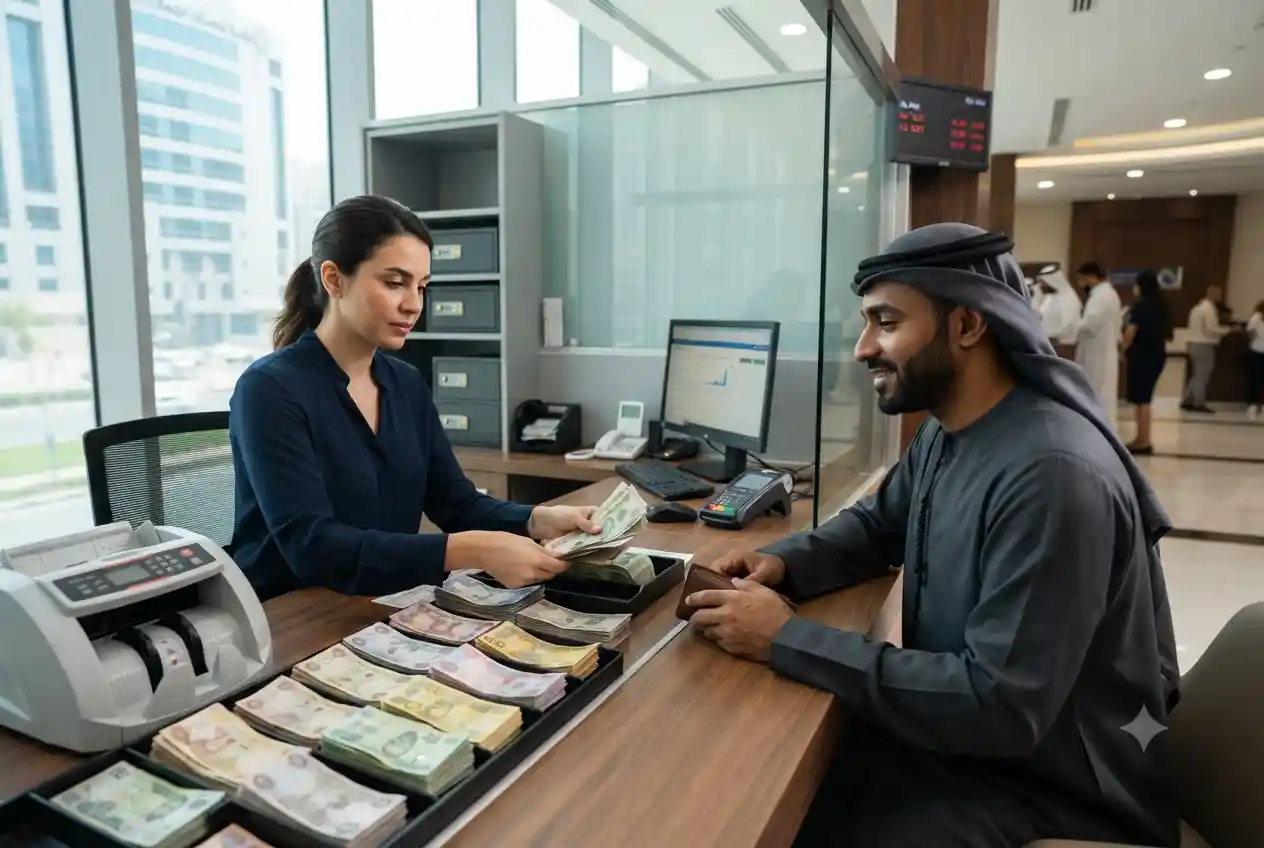
The AED to Naira black market exchange rate is a topic that attracts attention from Nigerians living and working in the UAE, as well as families and businesses involved in cross-border payments. Exchange rates outside regulated financial institutions can differ from official market rates due to supply, demand, and local market conditions.
While some people search for black market rates to understand currency trends, it is important to recognize that unofficial currency trading carries financial and legal risks. Before exchanging money, individuals should compare available options and consider regulated services that offer transparency and consumer protections.
What Does “AED to Naira Black Market” Mean?
The term refers to the exchange rate offered through informal or unregulated currency trading rather than through licensed banks or authorized money exchange providers.
Unlike official exchange rates published by financial institutions, unofficial rates are not centrally regulated and may vary between locations, traders, and even throughout the same day.
Why Do Exchange Rates Differ?
Currency values are influenced by numerous economic and market factors. Differences between official and unofficial exchange rates may arise because of changing market conditions, currency availability, and varying levels of demand.
Factors That Influence Exchange Rates
- Supply and demand for foreign currency
- Economic conditions
- Inflation
- Government monetary policies
- International trade
- Global financial events
- Market sentiment
These factors can cause exchange rates to fluctuate over time.
Risks of Unofficial Currency Exchanges
Although unofficial exchange rates may sometimes appear attractive, they also involve important risks that should not be overlooked.
- No consumer protection
- Greater risk of fraud or counterfeit currency
- Lack of transparent pricing
- Potential legal or regulatory issues depending on local laws
- No formal dispute resolution process
For these reasons, individuals should carefully evaluate their options before exchanging money outside licensed financial providers.
Benefits of Using Regulated Exchange Services
Licensed banks and authorized exchange houses generally provide greater transparency and security for international currency transactions.
Advantages often include:
- Clearly displayed exchange rates
- Verified transactions
- Transaction receipts
- Regulatory oversight
- Improved consumer protection
While rates may differ from informal markets, regulated services reduce many of the risks associated with unlicensed transactions.
What UAE Residents Should Consider
The UAE is home to a large international workforce, including many Nigerian residents who regularly send money to family members. Before making a transfer, it is worth comparing exchange rates, transfer fees, delivery times, and available payment methods offered by licensed providers.
Understanding the total cost of a transfer—not just the exchange rate—can help determine the best overall value.
Monitoring Exchange Rate Trends
Currency values can change frequently. Rather than relying on a single source, it is advisable to monitor exchange rates over time and compare information from reputable financial institutions.
This approach helps individuals make more informed decisions about when to exchange or transfer funds.
Planning International Transfers
If you regularly send money between the UAE and Nigeria, planning ahead may help reduce the impact of short-term currency fluctuations.
Some practical considerations include:
- Comparing transfer providers
- Checking all fees before sending money
- Monitoring exchange rate movements
- Using licensed financial institutions
- Keeping records of transactions
Understanding the Bigger Financial Picture
Exchange rates are only one part of international financial planning. Businesses and individuals should also consider transaction costs, payment security, and compliance with applicable regulations.
Companies involved in international trade often combine financial planning with broader business and marketing strategies. For example, organizations expanding into the UAE may also invest in search engine marketing services in Dubai or market research in Dubai to support long-term growth.
Finding Reliable Currency Information
When researching exchange rates, use trusted financial sources rather than relying solely on informal reports or social media discussions. Official exchange rates and market information provide a more reliable basis for comparison, even if unofficial markets quote different values.
The Central Bank of Nigeria publishes information about monetary policy and official exchange-rate resources that can help users better understand the Nigerian currency market.
To Sum Up
The AED to Naira black market exchange rate reflects activity in informal currency trading and can differ significantly from official rates. While many people monitor these rates to understand market conditions, unofficial exchanges carry important financial and legal risks. Comparing licensed exchange providers, understanding total transfer costs, and relying on reputable financial information can help individuals and businesses make safer, more informed currency exchange decisions.