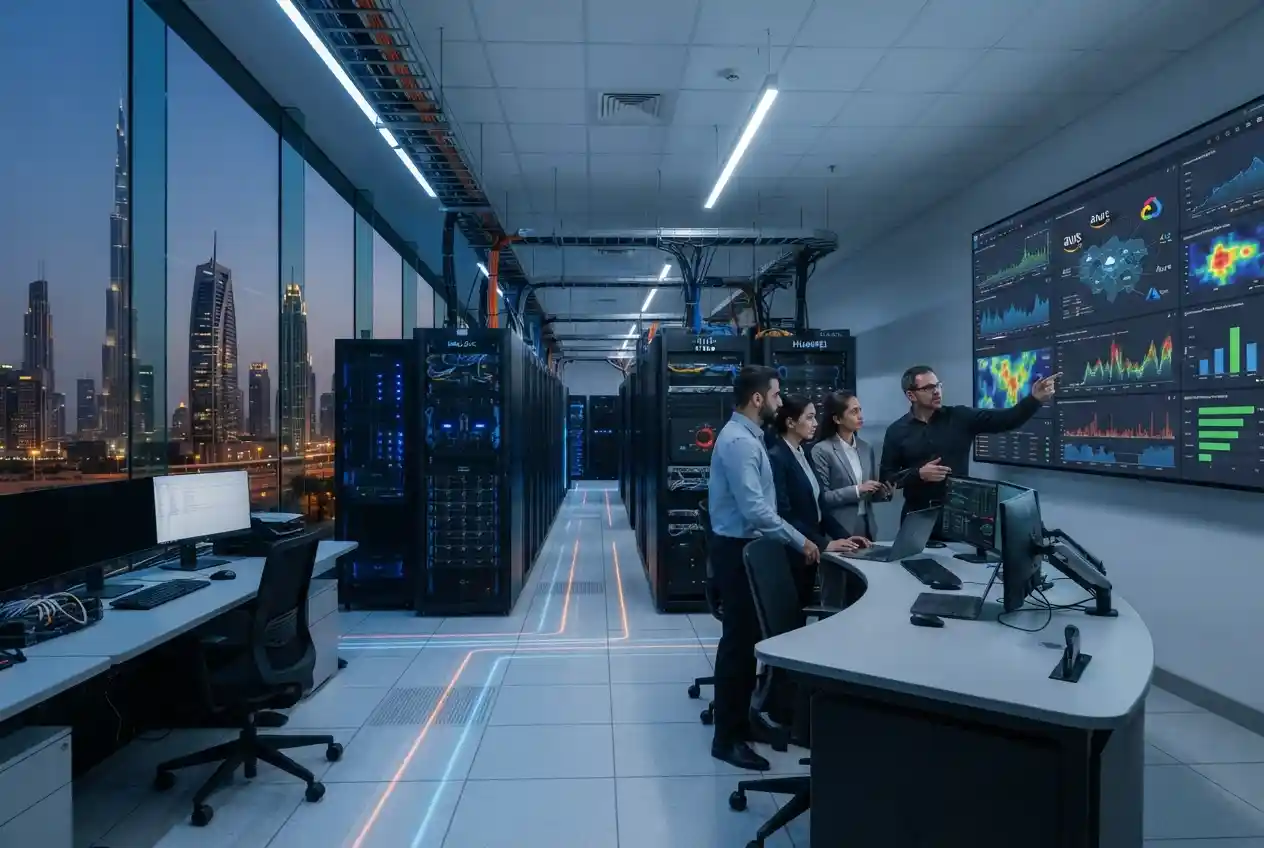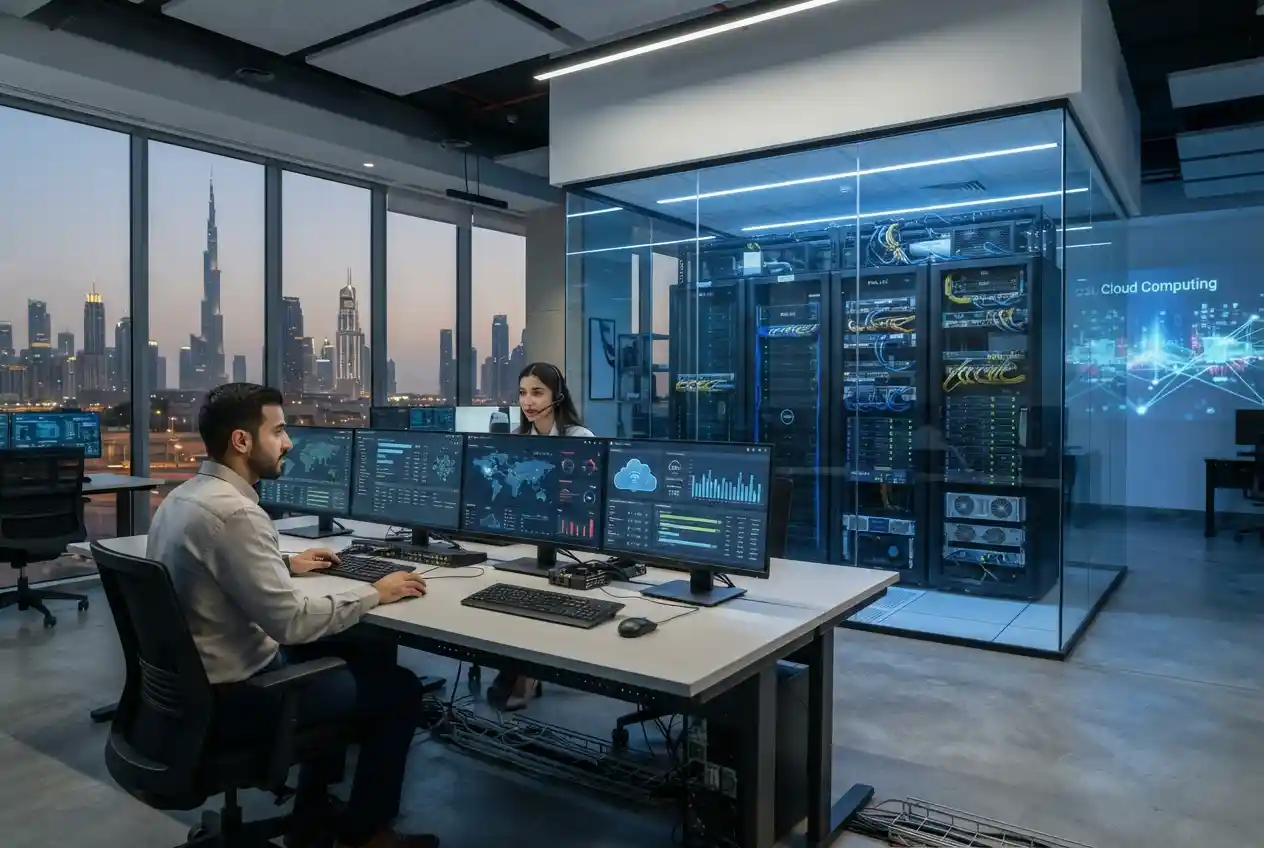









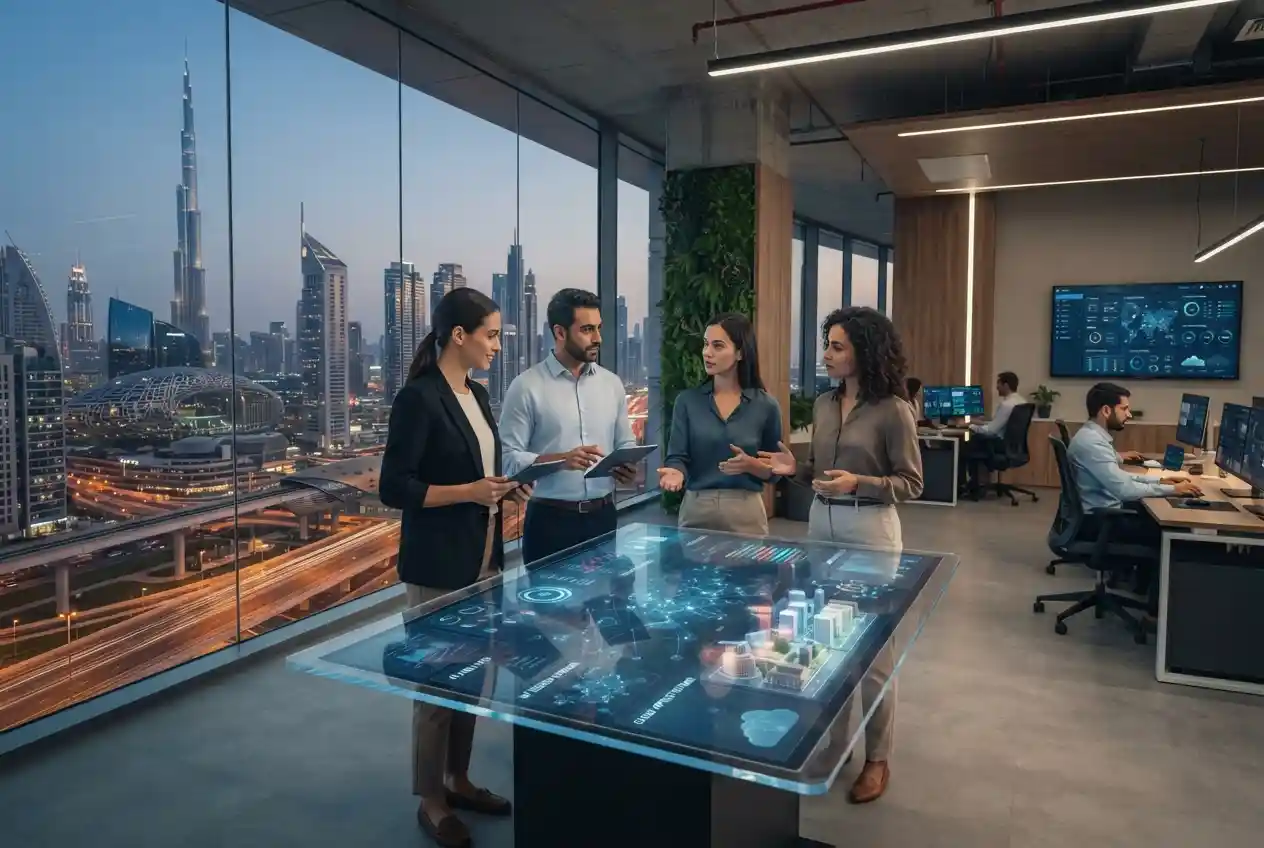
Zenith Technologies is a name associated with the wider technology landscape, a sector that continues to expand as businesses and organizations across the UAE adopt smarter digital systems. From cloud computing and automation to connected devices, artificial intelligence, and enterprise software, technology is increasingly embedded in everyday business operations and infrastructure.
For UAE businesses, technology is no longer limited to computers and traditional IT systems. Companies now depend on interconnected platforms that can collect information, automate workflows, improve communication, support decision-making, and deliver digital services. This evolution has created demand for technology providers capable of addressing both conventional IT requirements and newer digital opportunities.
Zenith Technologies can be considered within this broader environment of technological development. Understanding this landscape also helps businesses distinguish between traditional infrastructure providers, specialized technology companies, and organizations focused on smart and connected solutions.
What Does Zenith Technologies Represent?
Zenith Technologies is a technology-focused name that fits within a rapidly developing digital ecosystem where organizations are looking for more efficient, connected, and intelligent ways to operate. Technology companies in this space may work across areas such as enterprise systems, automation, smart technology, digital infrastructure, software, and connected environments.
The exact technology requirements of a business depend heavily on its industry and size. A retail company may prioritize e-commerce systems and customer analytics, while a manufacturing business may focus on automation and industrial connectivity. A professional services company may place greater emphasis on cloud applications, cybersecurity, collaboration tools, and data management.
This diversity is one reason the UAE technology sector includes companies with highly specialized areas of expertise.
The Growth of Smart Technology in the UAE
Smart technology connects digital systems with physical environments and business processes. It can involve sensors, software, cloud platforms, analytics, automation, artificial intelligence, and connected devices working together to create a more responsive environment.
For businesses, smart technology can provide greater visibility into operations. Connected systems may collect information from equipment, facilities, vehicles, or other assets and make that information available through centralized platforms.
Once data becomes accessible, organizations can use analytical tools to identify patterns and support operational decisions. Automation can then be introduced where repetitive or predictable processes can be handled more efficiently by software or connected systems.
This combination of connectivity, data, and automation is helping shape the next generation of business technology in the UAE.
Zenith Smart Technology and Connected Systems
The concept of Zenith Smart Technology reflects a broader industry movement toward intelligent and connected technology. Smart systems are increasingly being designed to communicate with other systems rather than operate as isolated tools.
A connected business environment might include smart building controls, connected security systems, digital access management, environmental monitoring, automated equipment, cloud applications, and centralized analytics.
The advantage of such an environment is that different sources of information can potentially be brought together. Instead of managing individual systems independently, organizations can gain a more complete view of their operations.
However, connected technology also introduces complexity. Organizations need appropriate network infrastructure, cybersecurity, data governance, device management, and integration capabilities to make smart systems useful and secure.
Artificial Intelligence and Intelligent Automation
Artificial intelligence is becoming increasingly relevant to business technology because it can help organizations process information and identify patterns at a scale that would be difficult to achieve manually.
AI applications can support tasks such as document processing, customer service, data analysis, forecasting, anomaly detection, and workflow automation. The most effective use cases are usually those where the technology addresses a clearly defined operational challenge.
Automation can complement AI by turning insights into actions. For example, a system may detect a particular condition and automatically trigger a predefined workflow. In industrial environments, connected equipment may generate data that can be analyzed to identify unusual behavior or potential maintenance requirements.
These technologies demonstrate why modern digital transformation often combines several capabilities rather than relying on a single application.
Cloud Computing as a Technology Foundation
Cloud computing has become a fundamental component of many modern technology environments. Businesses can use cloud platforms for applications, storage, collaboration, analytics, backup, infrastructure, and other digital services.
The flexibility of cloud services can be useful for organizations that need to scale technology resources as their operations change. Instead of building every capability internally, businesses can select cloud services according to their requirements.
However, cloud adoption should be approached strategically. Security, identity management, data protection, connectivity, integration, compliance, and costs all need to be considered before moving critical workloads.
Businesses researching the broader UAE enterprise technology market can also explore VAD Technologies, which is associated with enterprise infrastructure, cloud, cybersecurity, and technology distribution across the region.
Cybersecurity in a Connected Technology Environment
The more connected an organization’s technology environment becomes, the more important cybersecurity becomes. Businesses may have employees accessing cloud applications, customers using online services, connected devices communicating with internal networks, and sensitive information stored across multiple platforms.
Security therefore needs to extend across devices, networks, applications, identities, and data. Common security practices can include strong authentication, access controls, endpoint protection, network monitoring, secure backups, software updates, and incident response planning.
Smart technology also needs appropriate protection because connected devices can introduce additional points of access. Businesses should understand what devices are connected to their networks and ensure that those devices receive appropriate security management.
Digital Transformation Beyond Traditional IT
Digital transformation is sometimes misunderstood as simply purchasing new software. In reality, it can involve changes to processes, infrastructure, customer experiences, data management, and organizational workflows.
A successful transformation project begins with a business objective. An organization may want to reduce manual work, improve customer service, increase operational visibility, strengthen security, or create new digital products.
Technology is then selected according to that objective. This approach helps prevent businesses from adopting disconnected tools that create additional complexity without producing meaningful value.
Technology providers can contribute by helping organizations evaluate their existing systems, identify gaps, design solutions, and integrate new capabilities with existing infrastructure.
Zen Interactive Technologies and Digital Experiences
The phrase Zen Interactive Technologies also reflects an important direction within modern technology: interactive digital experiences. Websites, applications, smart interfaces, digital displays, self-service platforms, and interactive environments are changing how people interact with businesses.
Interactive technology can improve accessibility to information and make certain processes more convenient. In retail, for example, digital interfaces can support product discovery and self-service. In corporate environments, interactive systems can support communication, collaboration, and visitor experiences.
The quality of an interactive technology experience depends on more than visual design. Performance, usability, accessibility, security, data integration, and reliability all contribute to whether users find a digital system useful.
Zenith Technologies and the UAE Business Ecosystem
The UAE’s technology ecosystem spans many specialized fields. Enterprise IT providers support infrastructure and cybersecurity, software companies develop business applications, technology distributors connect vendors with implementation partners, and smart-technology specialists work on connected environments.
This diversity creates opportunities for businesses to select technology according to their specific needs. It also means organizations should evaluate providers based on their technical specialization rather than assuming that every technology company offers the same capabilities.
For example, Triple A Technology Solutions LLC represents the enterprise IT solutions side of the UAE market, while Vigil Technologies LLC is associated with intelligent systems, industrial IoT, smart manufacturing, and connected technology applications.
These different segments show how the UAE technology sector extends from foundational infrastructure to advanced digital and intelligent systems.
How Businesses Can Approach Smart Technology
Organizations considering smart technology should first identify a practical use case. A clearly defined problem provides a stronger foundation for technology adoption than simply attempting to introduce new technology throughout an organization.
The next step is understanding the existing infrastructure. Smart systems need connectivity, computing resources, data storage, cybersecurity, and integration with other business systems.
Organizations should also consider scalability. A pilot project may involve only a few devices or one location, but a successful solution may eventually need to support multiple sites, thousands of devices, or larger data volumes.
Finally, businesses should plan for ongoing management. Smart technology requires updates, monitoring, troubleshooting, security controls, and performance evaluation. These requirements should be included in the project plan from the beginning.
Future Opportunities for Smart Technology in the UAE
The UAE is well positioned for continued adoption of connected and intelligent technology. Businesses and infrastructure operators are exploring automation, AI, IoT, digital platforms, smart buildings, intelligent mobility, and data-driven services.
As adoption increases, interoperability will become particularly important. Organizations will increasingly need systems from different vendors to communicate with each other securely and efficiently.
Artificial intelligence may also become more deeply integrated into connected environments, allowing organizations to move from simply collecting data toward using it for prediction, optimization, and automated decision support.
At the same time, cybersecurity will remain essential. The expansion of connected systems increases the potential attack surface, making secure architecture and responsible technology management critical components of digital transformation.
Recap
Zenith Technologies can be viewed within the wider UAE technology landscape that is moving toward smarter, more connected, and increasingly automated digital environments. The concepts associated with smart technology, interactive systems, cloud computing, artificial intelligence, and connected infrastructure all reflect the changing expectations of modern businesses.
For organizations in the UAE, the most effective technology strategy is one built around practical business objectives. Smart systems should improve a measurable process, provide useful information, strengthen customer experiences, or create operational efficiencies.
As digital transformation continues across the Emirates, businesses will increasingly need technology environments that combine infrastructure, cloud platforms, cybersecurity, data, automation, and intelligent systems. Companies exploring this ecosystem can benefit from understanding how different technology providers specialize in different layers of the digital environment.