








VAD Technologies is part of the UAE’s expanding enterprise technology landscape, serving organizations that need dependable infrastructure, cybersecurity, cloud platforms, data center capabilities, and digital business solutions. As companies across the Emirates become more dependent on connected systems and digital operations, technology providers with expertise across multiple infrastructure layers have an increasingly important role to play.
The modern enterprise technology environment is rarely built around a single product. Businesses may need networking, servers, storage, cybersecurity, cloud services, collaboration tools, data management, and specialized applications to work together. VAD Technologies operates within this interconnected environment, helping organizations and technology partners address a range of enterprise IT requirements.
What Is VAD Technologies?
VAD Technologies is a UAE-based value-added technology distributor and solutions provider with a focus on enterprise IT infrastructure and related technologies. Its work sits between technology vendors, channel partners, system integrators, and organizations looking to implement specialized technology solutions.
The value-added distribution model goes beyond simply moving hardware or software from a manufacturer to a customer. It can include technical expertise, solution design, training, professional services, integration assistance, and support for partners implementing complex technology environments.
This approach can be particularly useful in enterprise IT, where businesses often need several technologies to operate as one coordinated environment.
Enterprise IT Infrastructure
Enterprise IT infrastructure provides the technical foundation for business applications, communications, data management, and digital services. Depending on the organization, it can include servers, storage systems, networking equipment, virtualization platforms, security technologies, and cloud connectivity.
Designing this infrastructure requires more than selecting individual products. Businesses need to consider performance, scalability, availability, security, interoperability, maintenance, and future requirements. A technology provider with broad infrastructure knowledge can help organizations and channel partners evaluate these factors before implementation.
For UAE businesses experiencing growth, infrastructure scalability can be particularly important. Additional employees, offices, applications, connected devices, and data can quickly increase the demands placed on existing systems.
Cloud Technology and Hybrid Infrastructure
Cloud computing has become an important part of modern enterprise technology. Organizations can use cloud platforms for computing, storage, applications, collaboration, backup, analytics, and other workloads without relying exclusively on traditional on-premises infrastructure.
However, many businesses operate hybrid environments in which cloud services coexist with physical servers and other local systems. Managing these environments requires careful attention to connectivity, identity, security, data movement, application dependencies, and performance.
Technology providers operating in the enterprise market can help organizations assess where cloud services make sense and where local infrastructure may remain appropriate. The goal is not simply to move everything to the cloud, but to develop an environment that fits the company’s operational and commercial requirements.
Cybersecurity in the Enterprise
Cybersecurity is a fundamental consideration for organizations managing increasingly connected technology environments. Threats can affect endpoints, networks, cloud applications, servers, identities, and sensitive business data.
A strong security strategy therefore involves multiple layers. Depending on the business, these can include firewalls, endpoint protection, network security, identity and access management, secure authentication, monitoring, backup protection, vulnerability management, and incident response capabilities.
The most appropriate security architecture varies by organization. Financial companies, healthcare providers, retailers, logistics businesses, government-related organizations, and technology companies can face different operational and security requirements.
For this reason, enterprise technology providers need to consider cybersecurity as part of infrastructure design rather than treating it as an optional addition after systems have already been deployed.
Data Center Technology
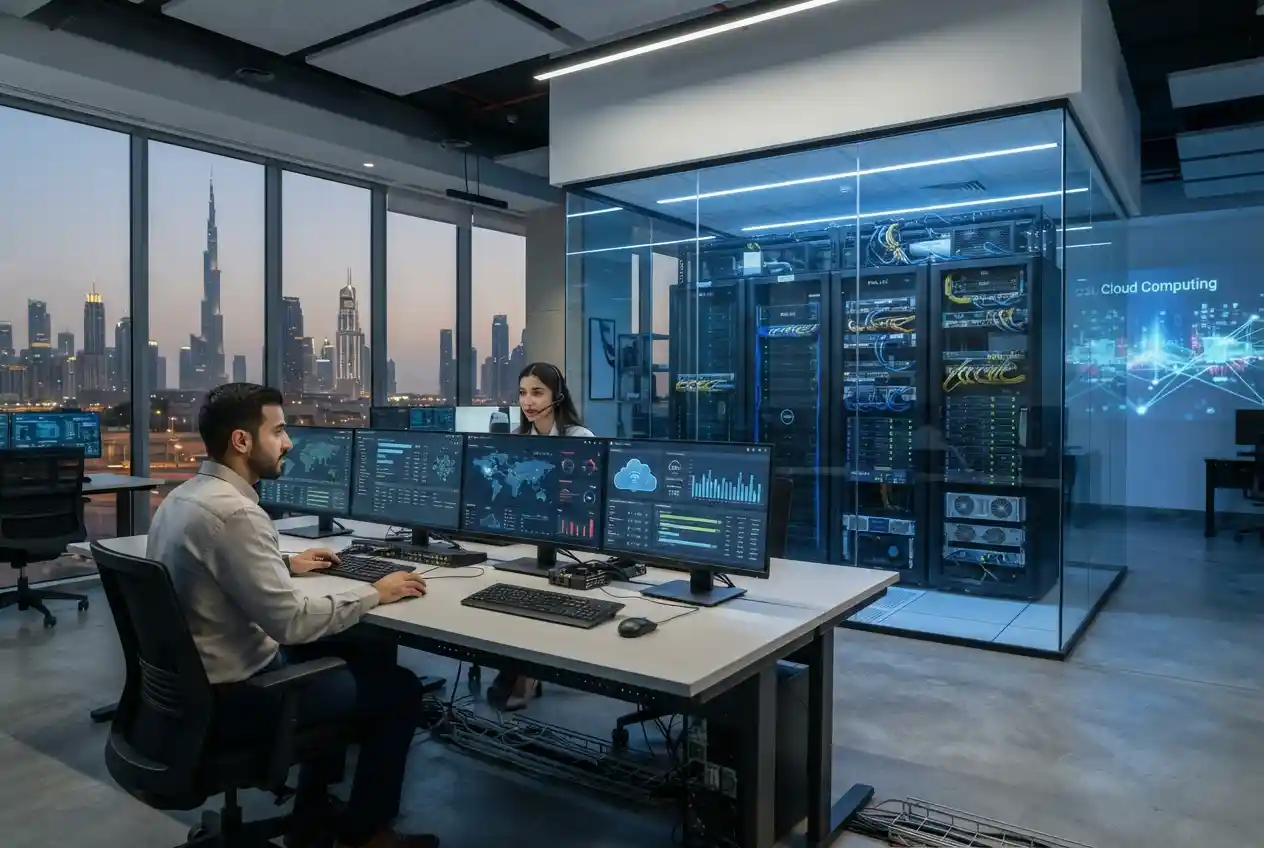
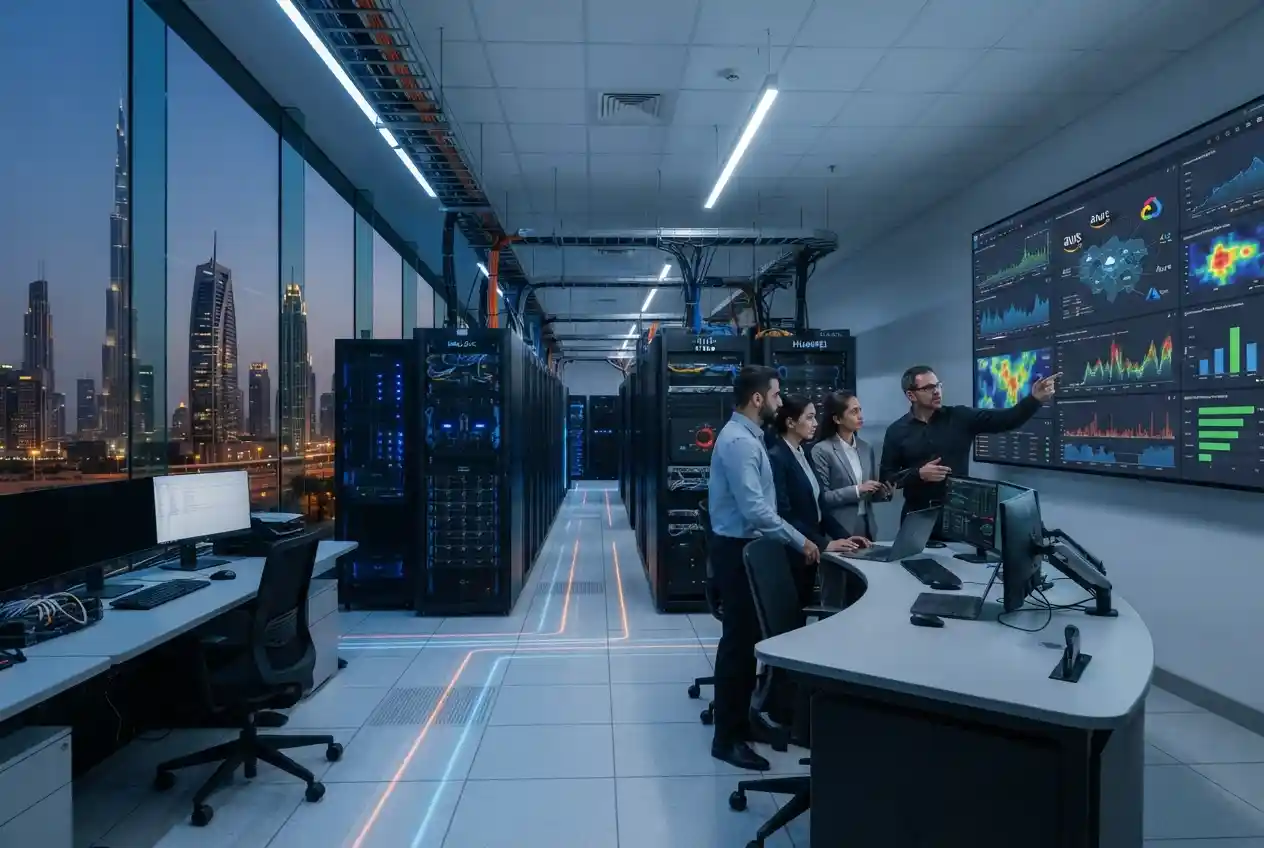
Data centers remain essential to many digital operations. They provide the physical environment in which computing, networking, storage, and other critical systems operate. Even organizations that rely heavily on public cloud platforms can interact with data center infrastructure through hosting, connectivity, hybrid architectures, or colocation arrangements.
A dependable data center environment requires careful planning around power, cooling, physical security, network connectivity, redundancy, monitoring, and equipment management. These components work together to support the availability of critical digital services.
Technology distributors and solution providers can contribute by connecting organizations and system integrators with specialized infrastructure technologies that meet particular performance and availability requirements.
Why Value-Added Distribution Matters
Enterprise technology projects can involve several vendors and technical disciplines. A business may purchase networking equipment from one manufacturer, cybersecurity technology from another, cloud services from a separate provider, and storage or data center solutions from additional vendors.
Coordinating these technologies can be challenging. Value-added distributors can help bridge the gap by providing technical knowledge and supporting partners as they design and deploy complete solutions.
This is especially relevant when technologies need to integrate across different environments. Compatibility, configuration, licensing, deployment, and support can all influence whether a technology project delivers the expected outcome.
VAD Technologies and the UAE Market
The UAE provides a strong environment for enterprise technology adoption. Businesses across Dubai, Abu Dhabi, Sharjah, and other emirates increasingly rely on digital infrastructure to support operations, customer services, remote collaboration, analytics, e-commerce, and automated processes.
The country’s role as an international business and technology hub also means that many organizations operate across borders. They may need infrastructure and security solutions capable of supporting multiple locations, distributed teams, international customers, and cloud-based applications.
VAD Technologies operates within this broader ecosystem by supporting enterprise technology requirements and the channel partners that deliver these solutions to customers.
Businesses researching other technology providers in the UAE can also explore Triple A Technology Solutions LLC, which represents another segment of the local IT solutions market. Looking at different providers can help businesses understand how enterprise infrastructure, cloud, cybersecurity, and related services fit into the wider UAE technology ecosystem.
Networking and Secure Connectivity
Reliable networking is essential for modern enterprises. Employees, applications, cloud platforms, branches, data centers, and connected devices all depend on efficient communication between systems.
Enterprise networks can include wired and wireless connectivity, switching, routing, firewalls, secure remote access, network management, and other technologies. As organizations adopt more cloud services and distributed work models, network architecture must accommodate both local and remote users.
Security also needs to be incorporated into connectivity planning. A network that performs well but provides insufficient protection can expose an organization to unnecessary risk. Modern infrastructure strategies therefore increasingly combine performance, visibility, access control, and security.
Technology for Digital Transformation
Digital transformation is not limited to adopting new applications. It often involves changing how technology infrastructure supports business processes. Automation, artificial intelligence, analytics, cloud computing, and connected devices all depend on reliable underlying systems.
Businesses beginning a transformation project may therefore need to evaluate their existing infrastructure before introducing advanced technologies. Legacy systems, outdated networks, limited computing resources, or fragmented security controls can create obstacles to modernization.
A structured technology strategy can help businesses identify these gaps and prioritize improvements according to business value rather than adopting technologies simply because they are new.
How Businesses Can Evaluate Technology Providers
Organizations considering an enterprise technology provider should start by identifying the actual business problem they need to solve. The technology solution should follow the requirement rather than the other way around.
Technical expertise is another important factor. Businesses should assess whether a provider understands their existing environment and can work with the technologies already in use. Integration capabilities can be particularly valuable when multiple platforms need to communicate.
Security should also be considered from the earliest planning stage. Businesses should understand access controls, monitoring, data protection, backup arrangements, and procedures for responding to incidents.
Finally, organizations should look beyond initial implementation. Enterprise technology requires maintenance, updates, troubleshooting, monitoring, and periodic optimization. Long-term support can therefore be just as important as the original deployment.
VAD Technologies and the Future of Enterprise IT
The enterprise technology sector is continuing to evolve as businesses adopt hybrid cloud, artificial intelligence, automation, cybersecurity platforms, advanced analytics, and connected infrastructure. These developments create new opportunities but also increase technical complexity.
As environments become more interconnected, businesses will increasingly need technology partners capable of understanding infrastructure as a complete ecosystem. Networking, computing, storage, cloud, security, and data technologies can no longer be considered entirely separate areas.
This trend makes the value-added technology model increasingly relevant. Organizations and technology partners can benefit from access to technical expertise that helps turn individual products into practical, integrated business solutions.
The UAE’s technology ecosystem is also expanding into intelligent infrastructure and connected systems. Companies researching this broader landscape may find Vigil Technologies LLC relevant for its focus on technologies connected with intelligent transportation, industrial IoT, smart manufacturing, and smart-city applications.
Insights
VAD Technologies represents an important part of the UAE’s enterprise technology ecosystem, particularly in the area of value-added technology distribution and infrastructure solutions. Its position within the technology channel highlights the importance of connecting vendors, solution providers, system integrators, and businesses.
As UAE organizations continue investing in cloud computing, cybersecurity, networking, data center infrastructure, and digital transformation, the demand for reliable technology expertise is likely to remain strong. Successful enterprise technology strategies will increasingly depend on how effectively different systems work together.
For businesses evaluating technology providers, the most useful approach is to look beyond individual products and consider the complete technology environment. Infrastructure, security, cloud services, integration, scalability, and ongoing support should all contribute to the final decision.