






Emirati fashion is a distinctive part of the UAE’s cultural identity, combining traditional clothing, regional heritage, modest dressing, craftsmanship, and contemporary design. While modern fashion in Dubai and Abu Dhabi has become increasingly international, traditional Emirati clothing continues to influence designers, boutiques, special occasions, and everyday wardrobes.
Today’s UAE fashion landscape is not simply divided between traditional and modern styles. Many designers are creating clothing that respects cultural references while using contemporary cuts, fabrics, embellishment, colours, and styling. This evolution has also helped place regional fashion within the wider international fashion conversation.
Dubai’s official fashion ecosystem provides an increasingly visible platform for regional designers and emerging labels. Dubai Fashion Week, co-founded by Dubai Design District and the Arab Fashion Council, was established as an official fashion platform for the city and aims to advance the Arab fashion industry while promoting Dubai’s creative sector internationally.
What Is Emirati Fashion?
Emirati fashion refers broadly to clothing and design associated with the cultural traditions and contemporary fashion identity of the UAE. Traditional garments remain an important reference point, while modern designers interpret regional aesthetics through new silhouettes, fabrics, embellishment, and styling.
The UAE Government describes the country’s culture as reflecting traditional Arab and Islamic values, with lifestyle and heritage shaped by the region’s history and environment.
That cultural background helps explain why modesty, flowing silhouettes, layering, craftsmanship, and elegant detailing remain important elements in many forms of local fashion.
Traditional Emirati Clothing
Traditional clothing in the UAE is closely connected with identity, culture, modesty, and social occasions. For men, the kandura is a familiar traditional garment, commonly worn with a ghutra and agal. Women’s traditional dress includes garments such as the abaya and other forms of modest clothing that can vary in design, decoration, and occasion.
Traditional clothing is not necessarily static. Materials, colours, embroidery, trims, and styling can change over time while the overall cultural character remains recognisable.
This balance between continuity and change is one of the most interesting characteristics of modern Emirati fashion. Designers can take inspiration from established forms without simply reproducing historical clothing.
The Role of Abaya Fashion in the UAE
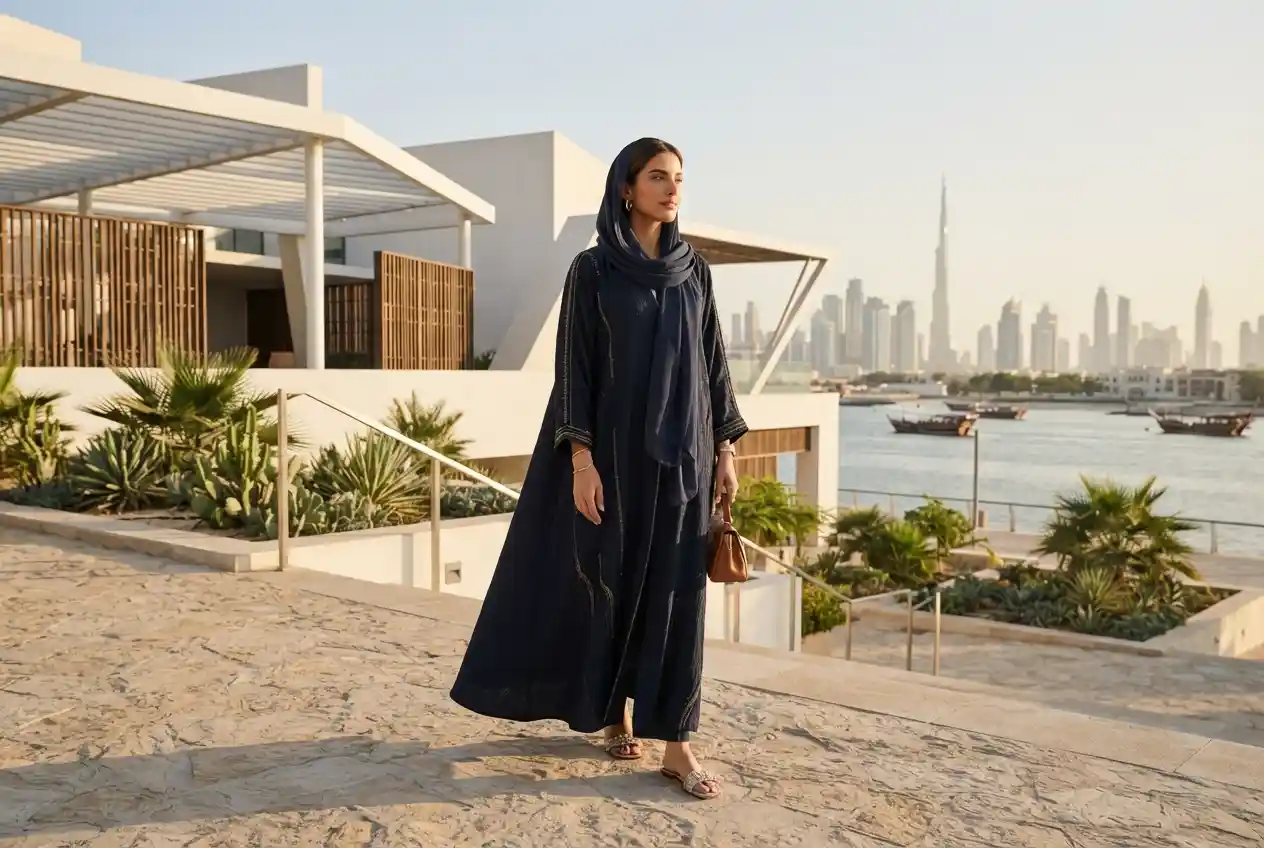
Abaya fashion has developed into a broad design category rather than a single traditional style. Contemporary abayas can range from understated everyday pieces to highly detailed garments designed for weddings, celebrations, formal gatherings, and special occasions.
Designers experiment with fabrics, sleeves, cuts, embroidery, pleats, layering, metallic details, textures, and subtle colour variations. Some styles retain a classic black appearance, while others introduce neutral tones, soft colours, prints, or decorative elements.
The versatility of the abaya has helped it become both a cultural garment and a fashion product. Modern designs can be styled differently depending on the occasion, footwear, accessories, and personal preference.
Abaya Fashion Dubai: From Traditional to Contemporary
Abaya fashion Dubai reflects the city’s broader relationship with luxury, retail, design, and international fashion. Boutiques and designers offer a wide variety of silhouettes, from minimalist pieces to elaborate occasionwear.
Dubai’s fashion environment also allows abaya designers to experiment with global trends while maintaining a connection to regional dressing. A contemporary abaya may incorporate elements associated with tailoring, eveningwear, resort fashion, or minimalist design without losing its modest character.
For shoppers, this means there is no single definition of what a modern Dubai abaya should look like. Personal style, occasion, climate, fabric preference, and desired level of decoration can all influence the choice.
Emirati Fashion Designers and the New Generation
Emirati fashion designers are contributing to the development of a modern regional design identity. Some focus on traditional references, while others work with contemporary silhouettes and international fashion influences.
Emerging designers can benefit from the growing creative infrastructure surrounding Dubai’s fashion industry. Dubai Design District has highlighted Emirati-owned creative businesses and entrepreneurs within its wider community, including businesses connected with modest fashion.
The growing visibility of regional designers also demonstrates that Emirati fashion does not have to be separated from the global fashion industry. Designers can maintain cultural references while presenting their collections to international audiences.
Arabic Fashion and Regional Identity
Arabic fashion encompasses a much wider region than the UAE, with different countries and communities contributing their own silhouettes, embroidery traditions, textiles, and styling preferences.
Within this broader context, Emirati designers can develop distinctive interpretations of regional fashion. Inspiration may come from architecture, desert landscapes, traditional craftsmanship, local dress, Arabic calligraphy, historical references, or contemporary Gulf lifestyles.
The result can be a modern aesthetic that feels regional without being limited to traditional clothing. This approach has become increasingly visible in fashion events where designers from the UAE and wider Middle East appear alongside international participants.
What Is Modest Fashion?
Modest fashion generally refers to clothing that provides greater coverage while allowing the wearer to express personal style. It is not limited to one culture, religion, or garment category.
Depending on the wearer, modest fashion can include long dresses, flowing skirts, loose trousers, layered outfits, long-sleeved tops, abayas, modest eveningwear, and other covered silhouettes.
One of the strengths of modest fashion is its flexibility. A modest wardrobe can be minimalist, luxurious, colourful, casual, sporty, formal, or highly decorative. The defining element is often the approach to coverage rather than one specific design.
Modest Fashion Dubai
Modest fashion Dubai has developed within a city where local culture and international fashion trends interact closely. The market includes specialist modest brands, abaya boutiques, luxury designers, international retailers, and independent labels.
Dubai’s international population also means modest fashion is interpreted in different ways. Customers may have different cultural backgrounds, personal preferences, and reasons for choosing covered clothing.
This diversity creates opportunities for designers who can produce sophisticated garments without relying on a single aesthetic. Contemporary modest fashion can combine clean tailoring, premium fabrics, modern accessories, and regional design influences.
Halal Fashion and Modest Dressing
The phrase halal fashion is sometimes used when discussing clothing intended to align with Islamic principles of modest dressing. However, the term can be interpreted differently depending on the context and consumer.
For many shoppers, the practical focus is on clothing that provides appropriate coverage and fits their personal or religious preferences. Designers serving this market need to understand those expectations while still offering attractive, comfortable, and contemporary products.
It is also important to avoid treating all Muslim consumers as having identical fashion preferences. Modest dressing varies significantly across countries, communities, age groups, and individuals.
How Modern Designers Blend Heritage and Fashion
Modern Emirati and regional designers often have several ways to connect heritage with contemporary design.
Traditional Silhouettes With Modern Fabrics
A familiar silhouette can be updated through lightweight materials, textured fabrics, subtle sheen, or innovative layering. This allows a garment to feel contemporary while retaining a connection to regional clothing.
Contemporary Embroidery
Embroidery can provide a direct connection to craftsmanship and cultural aesthetics. Modern designers can reinterpret decorative details through geometric patterns, restrained placement, metallic accents, or unusual colour combinations.
Modern Colour Palettes
Traditional garments are often associated with familiar neutral tones, but contemporary collections can introduce muted pastels, earth tones, jewel shades, or carefully selected contrasts.
Minimalist Design
Not every modern interpretation needs heavy decoration. Clean lines, quality fabrics, precise tailoring, and subtle details can create an understated approach to Emirati-inspired fashion.
Emirati Fashion for Special Occasions
Special occasions play an important role in fashion across the UAE. Weddings, Eid celebrations, family gatherings, formal dinners, and cultural events can call for more elaborate clothing than everyday wear.
For women, occasion abayas and embellished dresses can provide a balance between modesty and formal elegance. Fabrics, embroidery, beadwork, crystals, layering, and carefully selected accessories can transform a simple silhouette into a sophisticated event look.
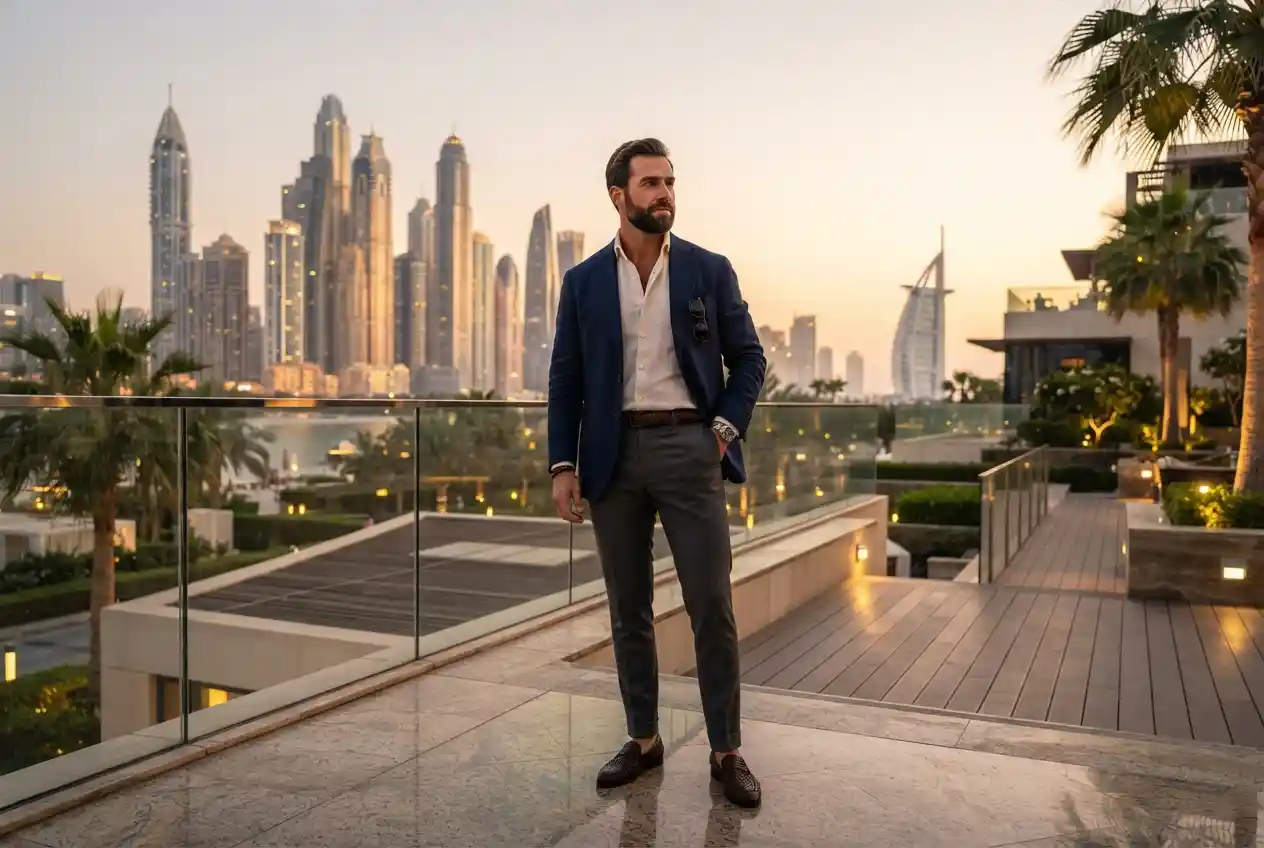
For men, traditional clothing can also be styled with attention to fabric quality, fit, footwear, watches, and accessories, creating a polished appearance while maintaining cultural identity.
Choosing an Abaya for Everyday Wear
When choosing an everyday abaya, practicality can be just as important as appearance. The UAE climate makes fabric selection particularly relevant, especially during warmer months.
Look for materials that feel comfortable, allow suitable movement, and fit the intended environment. A simple abaya may be more versatile for work and daily activities, while a heavily embellished piece may be better suited to special occasions.
Colour is another consideration. Black remains a classic choice, but modern collections often include neutral and softer tones. The best option depends on personal preference and how the garment will be styled.
Accessories and Emirati-Inspired Styling
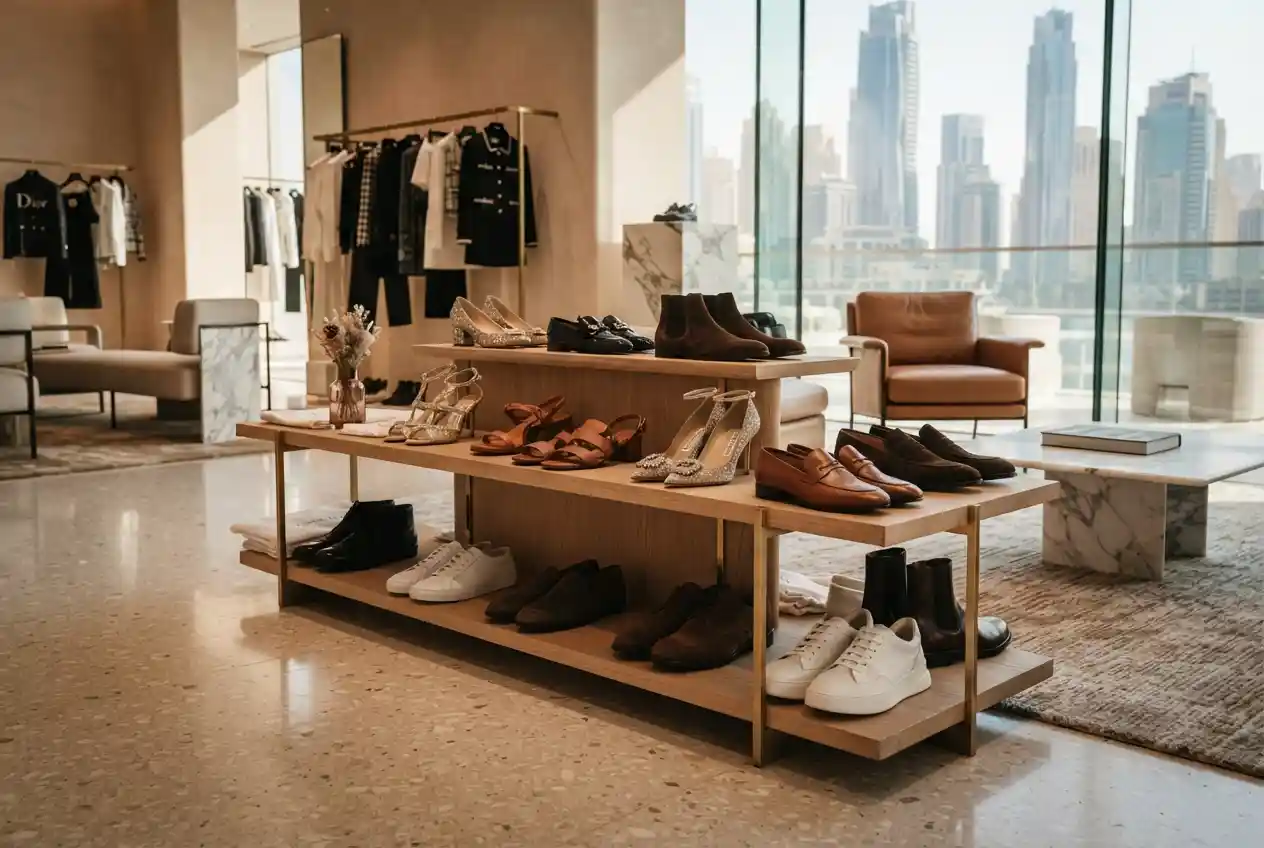
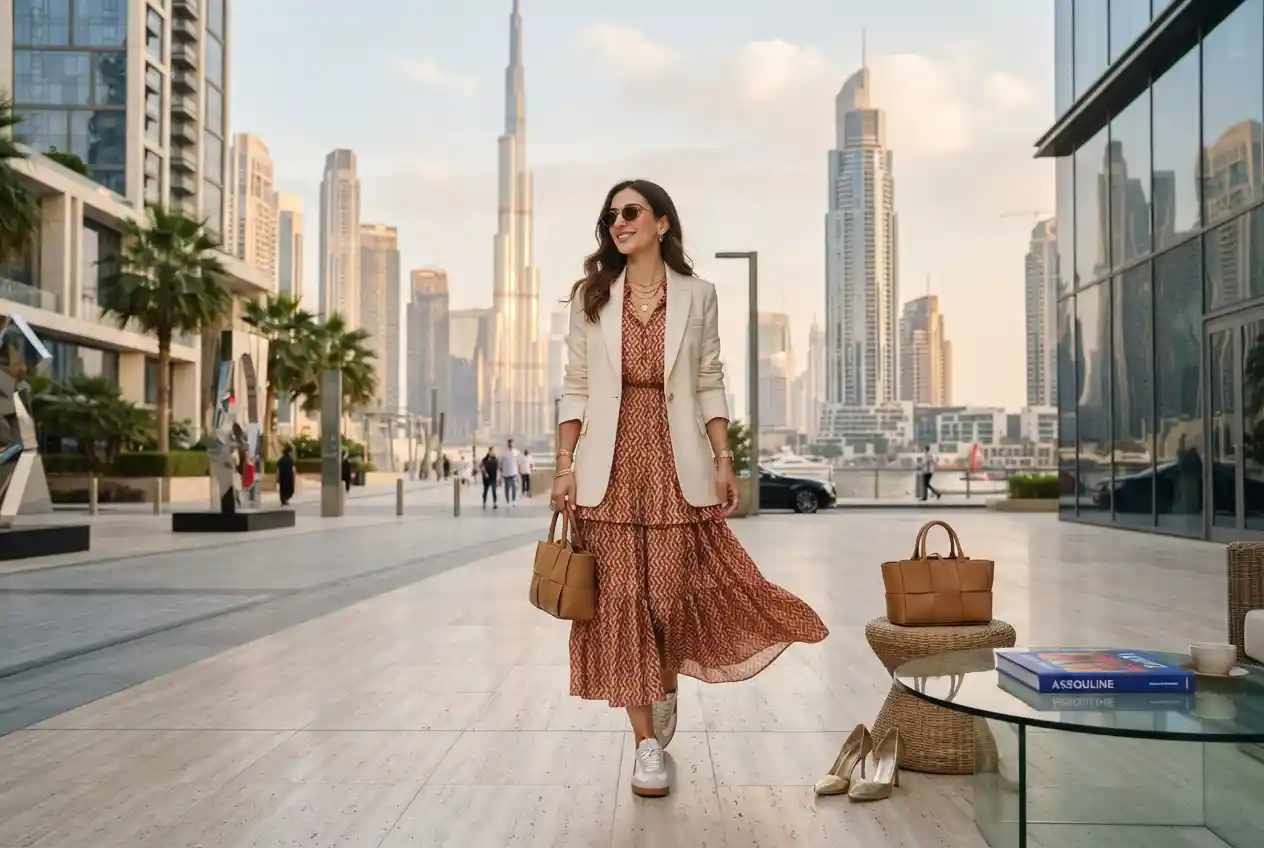
Accessories can change the character of a modest outfit without requiring a completely different garment. A structured handbag, elegant footwear, jewellery, scarf, belt, or watch can introduce a different visual direction.
The key is balance. If the garment contains substantial embroidery or embellishment, simpler accessories may allow the clothing to remain the focal point. Minimalist garments can provide more freedom to experiment with statement accessories.
Styling also creates an opportunity to combine regional and international influences. A contemporary handbag or shoe can be paired with an abaya without making the overall outfit feel disconnected from its cultural character.
Dubai Fashion Week and Regional Designers
Dubai Fashion Week has helped create a platform where regional and international fashion perspectives appear together. The event’s recent programmes have included UAE-based designers alongside participants from other countries, reflecting the increasingly international nature of Dubai’s fashion scene.
The Autumn/Winter 2025/26 edition, for example, included UAE-based talent such as Dubai-based Iraqi designer Zeena Zaki and UAE label Velvety Couture, alongside designers from numerous international markets.
This type of platform is important because it allows regional fashion to be presented as contemporary design rather than simply as traditional dress. It also creates opportunities for designers to reach buyers, media, fashion professionals, and international audiences.
Why Emirati Fashion Matters to the UAE Fashion Industry
Fashion can serve as both a commercial industry and a form of cultural expression. Emirati fashion contributes to the latter by keeping cultural references visible while allowing designers to reinterpret them for contemporary audiences.
This is particularly relevant as the UAE’s fashion industry becomes increasingly international. A strong regional identity gives local designers something distinctive to communicate in a crowded global market.
It also gives younger consumers an opportunity to engage with heritage through clothing in ways that feel current rather than purely historical.
How to Build a Modern Emirati-Inspired Wardrobe
Start with versatile pieces that reflect your personal interpretation of modest style. A classic abaya, long dress, wide-leg trousers, modest blouse, or tailored outer layer can become the foundation of multiple outfits.
Then introduce regional details through fabric, embroidery, accessories, colour, or silhouette. You do not need every item in a wardrobe to be traditionally styled.
Mixing classic and contemporary pieces can make the wardrobe more practical. For example, a simple abaya can be worn differently with casual footwear during the day and more formal accessories for an evening event.
The Future of Emirati and Modest Fashion
The future of Emirati fashion is likely to continue developing through the interaction of heritage, technology, international design, e-commerce, and changing consumer preferences.
Emerging designers have more opportunities to reach customers through digital platforms, while fashion events in Dubai provide physical spaces for collections to gain visibility. At the same time, consumers are becoming more interested in personal identity, quality, versatility, and distinctive design.
The continued growth of Dubai’s fashion ecosystem provides an environment where local designers can experiment without abandoning their cultural roots. Recent Dubai Fashion Week programmes have specifically highlighted cultural heritage and craftsmanship while bringing together designers from different markets.
Bottom Line
Emirati fashion represents a meeting point between heritage and contemporary design. Traditional garments such as the kandura and abaya remain culturally important, while modern designers continue to reinterpret regional aesthetics through new fabrics, silhouettes, colours, craftsmanship, and styling.
From abaya fashion Dubai boutiques to international fashion platforms, the UAE offers an increasingly diverse environment for modest and regional fashion. The rise of Emirati designers and the growing visibility of Arabic fashion also demonstrate that cultural identity can become a source of creative strength in a global industry.
For shoppers, this means more choices in modest and culturally inspired clothing. For designers, it creates an opportunity to build distinctive brands that connect local heritage with contemporary fashion. As the UAE’s fashion industry continues to evolve, Emirati style can remain rooted in tradition while moving confidently into the future.