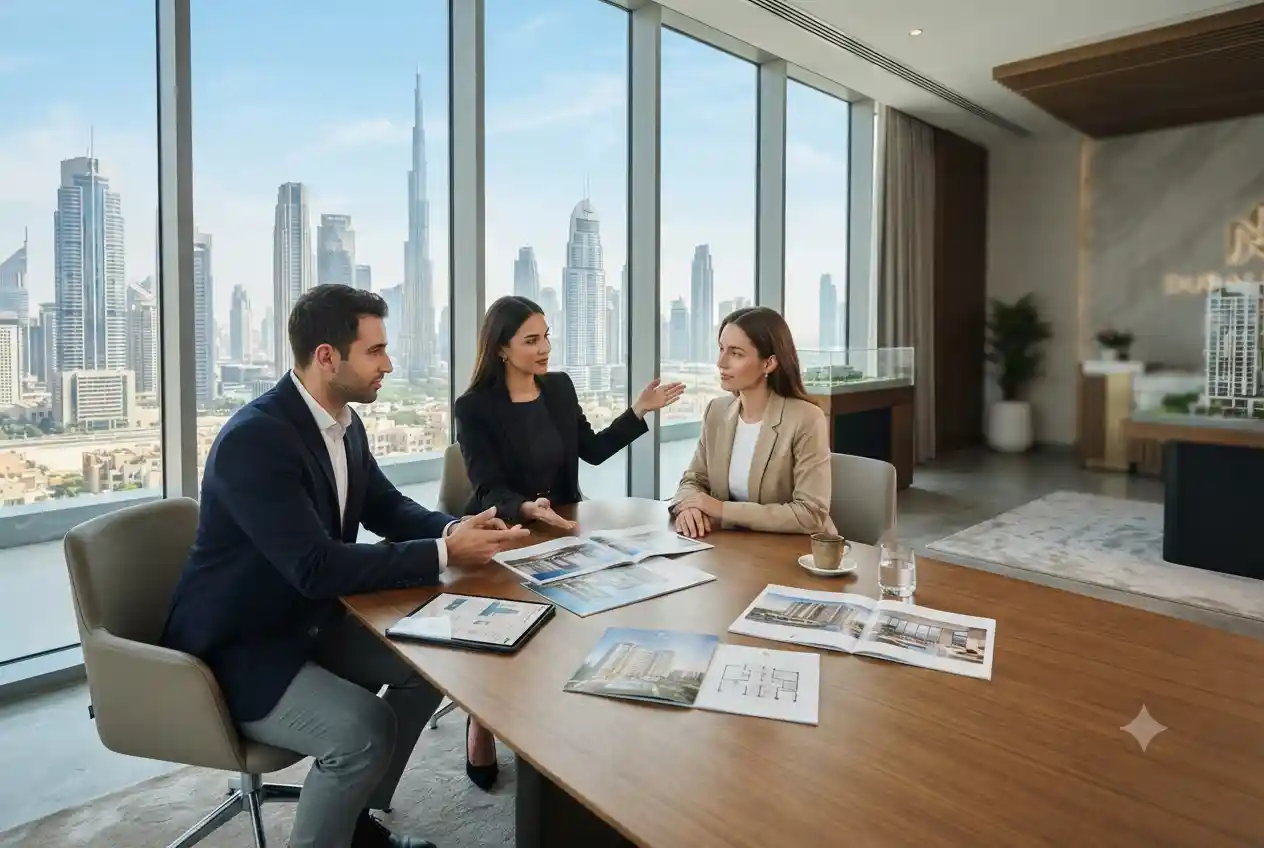
MAG Lifestyle Development represents a growing approach to residential real estate in the UAE where homes are designed around more than accommodation. Modern buyers increasingly look for properties that combine thoughtful architecture, convenient locations, wellness facilities, attractive interiors, community spaces, and services that support everyday life.
The development of lifestyle-focused communities reflects a broader change in the UAE property market. Residential buyers and investors are no longer evaluating homes only by size and location. The surrounding environment, available amenities, design quality, connectivity, and overall living experience can all influence how a property is perceived.
For anyone researching MAG Lifestyle Development, it is useful to understand the broader concept behind lifestyle-focused real estate. Development names and individual projects can change over time, so current project information, availability, prices, payment plans, and handover details should always be verified through official sources before making a property decision.
What Is MAG Lifestyle Development?
MAG Lifestyle Development is associated with the development of residential properties that place an emphasis on contemporary living, design, amenities, and community experience. The lifestyle-development model aims to create environments where residents can combine home life with recreation, wellness, social activities, and everyday convenience.
This approach is particularly relevant in the UAE, where rapid urban development has created demand for residential communities that offer more than standalone apartments or villas.
A lifestyle development may incorporate landscaped areas, fitness facilities, leisure spaces, swimming pools, retail access, hospitality-inspired services, children’s facilities, and shared social areas depending on the individual project.
Why Lifestyle Development Matters in the UAE
The UAE has developed into a highly international residential market, attracting professionals, entrepreneurs, investors, families, and long-term residents from different parts of the world. This diverse population has created demand for housing that accommodates different lifestyles and expectations.
Modern residents may want convenient access to workplaces, schools, shopping, entertainment, fitness facilities, restaurants, and major roads. At the same time, they may also value privacy, green spaces, attractive architecture, and opportunities to relax within their own community.
Lifestyle developments attempt to bring several of these requirements together rather than treating the home as an isolated property.
Residential Design and Everyday Functionality
Design is one of the most important elements of a lifestyle-focused development. A visually impressive building can attract attention, but practical design determines how comfortable it is to live in over many years.
Well-planned apartments may include efficient layouts, natural light, modern kitchens, useful storage, comfortable bedrooms, balconies, and flexible living spaces. The exact features vary between projects, but the broader principle remains the same: residential design should support everyday routines.
For buyers, it is therefore important to look beyond marketing images and consider the actual floor plan, room proportions, orientation, views, ventilation, privacy, and storage.
Community-Focused Living
One of the defining ideas behind lifestyle development is community. Instead of designing only private residences, developers can create shared spaces that encourage residents to spend time outside their individual homes.
Communal gardens, swimming pools, fitness areas, lounges, children’s play areas, walking paths, and social spaces can all contribute to this experience.
Community design can be especially valuable for residents who want a stronger connection with their neighbourhood. However, successful community planning also requires a balance between social interaction and privacy. Residents should have access to shared facilities without feeling that their personal space is compromised.
Wellness and Healthy Residential Environments
Wellness has become an increasingly important consideration in modern property development. Residents are paying greater attention to fitness, outdoor spaces, relaxation, air quality, natural light, and access to recreational facilities.
A lifestyle development may support these priorities through gyms, swimming pools, landscaped areas, walking routes, sports facilities, wellness spaces, or carefully designed communal environments.
These facilities can make healthy routines more convenient because residents do not always need to travel elsewhere to exercise or relax. However, the practical value depends on how well the facilities are maintained and whether they genuinely match the needs of residents.
Location and Connectivity
Even the most carefully designed residential development depends heavily on its location. Connectivity can influence daily convenience, property demand, commuting times, and long-term appeal.
When evaluating a MAG Lifestyle Development property, prospective buyers should consider access to major roads, public transportation where available, business districts, schools, healthcare facilities, shopping destinations, restaurants, and leisure attractions.
Travel times should also be considered during normal working hours rather than relying only on theoretical distances. A property that looks close to a major destination on a map may have a very different practical commute depending on traffic and road connections.
Amenities as Part of the Residential Experience
Amenities can significantly influence the lifestyle associated with a development. Modern residents may expect more than a basic lobby and parking area.
Depending on the project, lifestyle-oriented residential communities can include swimming pools, gyms, landscaped gardens, children’s areas, recreation facilities, resident lounges, retail spaces, security services, and other conveniences.
However, amenities should not be evaluated only by quantity. A development with fewer but well-designed and properly maintained facilities can offer a better experience than one with a long list of underused amenities.
MAG Lifestyle Development and Investment Considerations
Investors evaluating residential developments need to consider factors beyond the visual appeal of a project. Location, developer reputation, property type, expected rental demand, service charges, maintenance costs, completion timelines, and broader market conditions can all influence an investment decision.
Potential returns should never be assumed simply because a property is positioned as a luxury or lifestyle development. Rental income and capital appreciation can vary according to location, supply, demand, market conditions, property quality, and economic factors.
Buyers should conduct independent research and seek qualified financial, legal, and real estate advice before making significant investment decisions.
Off-Plan Property and Due Diligence
Many UAE residential developments are marketed before construction is complete. Off-plan property can offer buyers access to new developments and structured payment arrangements, but it also requires careful due diligence.
Prospective buyers should review the developer’s track record, project documentation, expected completion date, payment schedule, ownership arrangements, service charges, and applicable regulations.
It is also important to understand exactly what is included in the advertised price. Parking spaces, furnishing packages, maintenance arrangements, community facilities, and other features may have specific terms.
Interior Design and Lifestyle Appeal
Interior design contributes significantly to how a residential property is experienced. Modern lifestyle developments often use contemporary materials, neutral palettes, open layouts, integrated kitchens, large windows, and carefully selected fixtures.
The objective is generally to create homes that feel modern while remaining practical for everyday use.
Residents can then personalise their spaces according to their own preferences. Some may prefer minimalist interiors, while others may introduce stronger colours, artwork, natural materials, or luxury furnishings.
Smart Technology in Modern Developments
Technology is increasingly becoming part of residential design. Smart access systems, digital building management, connected security features, energy controls, and other technologies can make everyday living more convenient.
Smart-home features can also support energy management and building operations, although their usefulness depends on the quality of the underlying systems.
Prospective buyers should understand which technology is included, whether subscriptions are required, how systems are maintained, and how personal data is handled.
Sustainability and Modern Property Design
Sustainability is becoming more relevant in residential real estate as developers and buyers consider energy efficiency, water use, landscaping, waste management, and building materials.
Features such as efficient lighting, insulation, water-saving fixtures, shaded outdoor areas, and landscaped environments can contribute to a more comfortable and resource-conscious residential experience.
When evaluating sustainability claims, buyers should look for specific information rather than relying solely on broad promotional language.
Who Might Prefer a Lifestyle Development?
Lifestyle-focused residential communities can appeal to several types of residents. Young professionals may value convenient amenities and social spaces, while families may prioritise recreation, security, children’s facilities, and access to schools.
International residents may appreciate managed communities with modern facilities and convenient connections to business and leisure destinations.
Investors may also consider lifestyle properties where the location and amenities support strong tenant demand, although investment performance should always be assessed independently.
How to Evaluate a MAG Lifestyle Development Property
Anyone considering a property should create a practical checklist rather than making a decision based only on branding or promotional material.
- Research the exact project location.
- Review the developer and project history.
- Study the floor plan carefully.
- Check the expected completion or handover timeline.
- Understand the full payment structure.
- Review service charges and recurring costs.
- Confirm which amenities are included.
- Evaluate nearby schools, healthcare, retail, and transport options.
- Compare similar properties in the same area.
- Consider resale and rental demand separately from personal preferences.
- Review all contractual documents before committing.
- Seek independent professional advice for significant transactions.
MAG Lifestyle Development and the Changing UAE Property Market
The growth of lifestyle-oriented residential projects reflects the broader evolution of UAE real estate. Buyers increasingly expect properties to support complete lifestyles rather than simply provide square footage.
This shift is visible across apartments, villas, mixed-use communities, branded residences, hospitality-inspired developments, and wellness-focused projects.
As competition increases, developers need to differentiate projects through design, amenities, location, service quality, sustainability, and resident experience. For buyers, this creates more choice but also makes careful comparison increasingly important.
Why the Community Can Matter as Much as the Apartment
A well-designed apartment can provide a comfortable private environment, but the surrounding community often determines the wider quality of life. Access to parks, shops, restaurants, fitness facilities, recreational areas, and social spaces can influence daily routines.
This is one reason lifestyle development has become an important concept in modern real estate. The property is no longer considered entirely separate from its surroundings.
For residents, the ideal development is one where the building, amenities, neighbourhood, and transport connections work together to support their actual lifestyle.
Future of Lifestyle Residential Development
Residential development is likely to become increasingly focused on flexibility, technology, wellness, sustainability, and community. Homes may need to support multiple activities, including remote work, exercise, relaxation, entertainment, and family life.
Developers that understand these changing expectations can create communities that remain relevant beyond the initial launch period.
At the same time, buyers are likely to become more informed. Access to online property information, market research, reviews, digital tours, and comparison tools makes it easier to investigate developments before visiting them.
Related UAE Lifestyle Living
Lifestyle-focused property is only one part of the broader lifestyle trend. The same emphasis on design, convenience, wellness, and experience can also be seen in modern hotels, apartments, hospitality concepts, and urban communities. Understanding these connected trends can help readers evaluate residential projects from a wider lifestyle perspective.
Overall Verdict
MAG Lifestyle Development reflects the wider movement toward residential communities designed around modern lifestyles rather than accommodation alone. Contemporary architecture, wellness, amenities, community spaces, technology, and connectivity can all contribute to the experience of living in a development.
For buyers and investors, however, lifestyle appeal should be considered alongside practical fundamentals. Location, construction quality, project documentation, ongoing costs, market conditions, and long-term suitability remain essential considerations.
The best residential development is ultimately one that combines attractive design with practical functionality and a location that supports the way residents actually live. Careful research and independent due diligence can help turn an appealing property concept into a well-informed real estate decision.