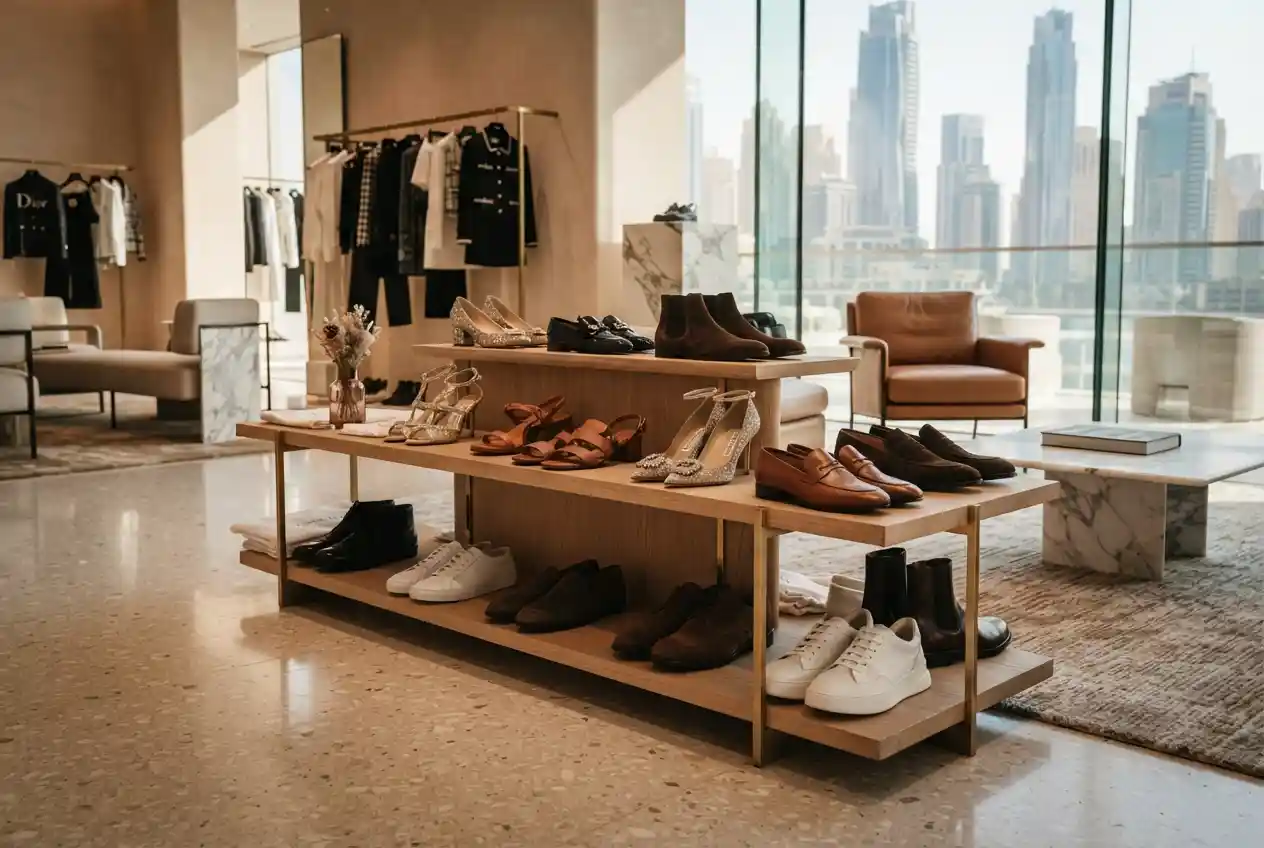






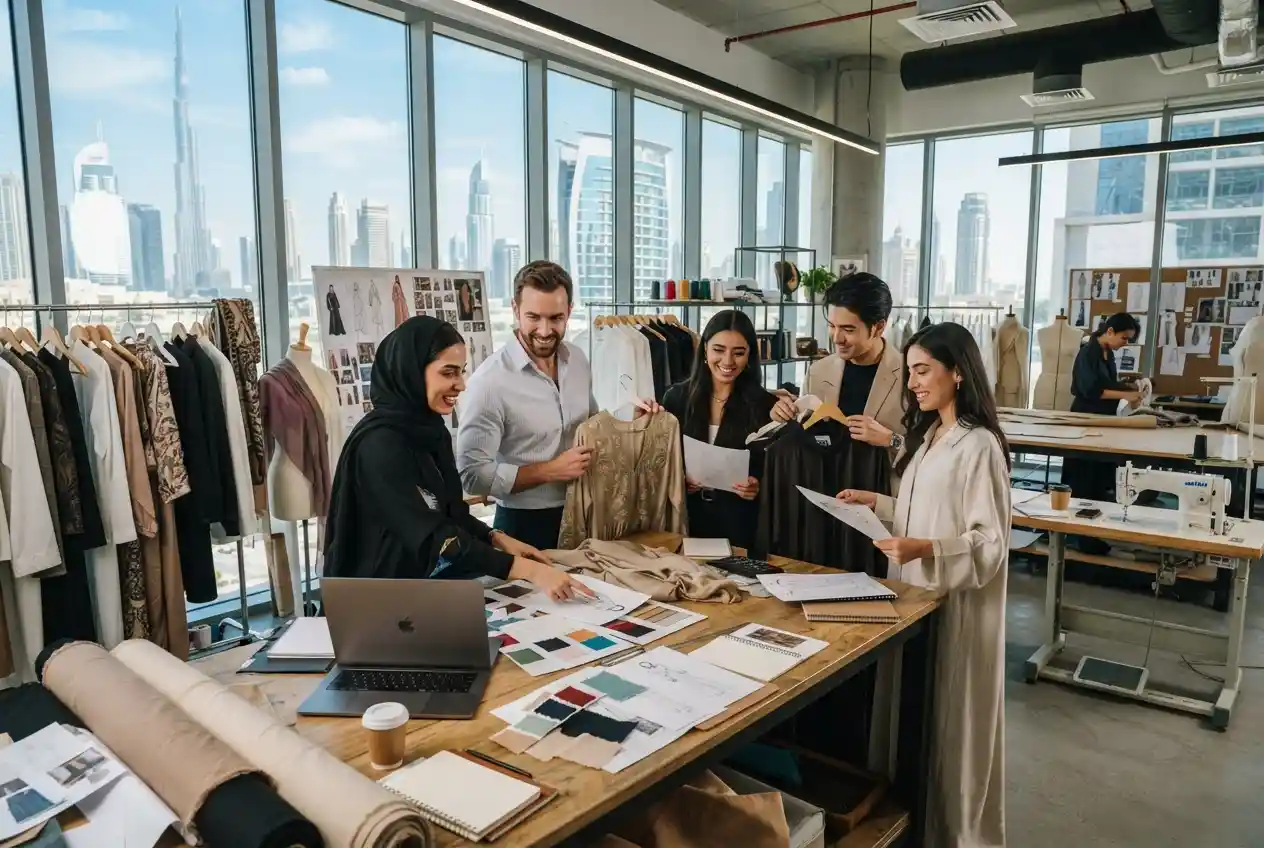
Dubai has developed into an important regional destination for fashion, design, retail, luxury, events, and creative industries. For professionals and graduates looking for fashion jobs Dubai opportunities, the market extends well beyond traditional fashion design. Roles can include styling, merchandising, buying, visual merchandising, photography, marketing, production, fashion illustration, retail management, and brand development.
The city’s fashion ecosystem also brings together international labels, regional designers, emerging brands, creative agencies, retailers, photographers, and production companies. Dubai Design District, for example, describes itself as a creative ecosystem where design, art, and fashion come together and provides a base for established brands, emerging creatives, startups, and professionals.
For people considering a career in this field, understanding the different roles and the skills employers look for can make the job search much more focused. Whether you are a recent graduate, an experienced designer, or someone looking for fashion internships Dubai opportunities, building the right combination of education, portfolio work, practical experience, and industry connections can make a significant difference.
What Types of Fashion Jobs Are Available in Dubai?
The fashion industry involves a much wider range of professions than designing clothes. A fashion company may need creative professionals to develop products, specialists to present collections, and commercial teams to sell and promote them.
Common career areas include fashion design, styling, fashion photography, merchandising, buying, textile design, pattern making, visual merchandising, fashion marketing, public relations, social media, retail management, e-commerce, and production.
Creative professionals can also work with photographers and production teams on campaigns, lookbooks, catalogues, runway presentations, and digital content. Those interested in styling can explore the related career path covered in our guide to becoming a fashion stylist in the UAE.
Fashion Designer Jobs in Dubai
Fashion designer jobs are among the most visible career paths in the industry. Designers may work for established fashion houses, retailers, manufacturers, boutique labels, or their own businesses.
The responsibilities can vary considerably. An entry-level designer may assist with research, sketches, fabric selection, sampling, and technical documentation. More experienced designers may be responsible for developing collections, coordinating with production teams, selecting materials, managing design direction, and presenting concepts to clients or buyers.
A strong understanding of silhouettes, colour, fabrics, garment construction, and fashion trends is important. Digital design skills can also be valuable because many modern fashion workflows involve computer-aided design and digital presentation.
Fashion Designer Jobs in Dubai vs Abu Dhabi
Dubai is often associated with commercial fashion, luxury retail, creative agencies, events, and international brands, while Abu Dhabi has its own growing creative, retail, cultural, and luxury sectors. Professionals should therefore avoid limiting their search to a single city.
People looking for fashion designer jobs in Abu Dhabi can explore opportunities with retailers, boutique businesses, cultural organisations, design companies, and businesses connected to the wider creative economy.
Searching across both emirates can increase the range of opportunities available, particularly for candidates whose skills are transferable across fashion design, merchandising, marketing, styling, and retail.
Fashion Designer Jobs in the UAE Beyond Dubai
The UAE fashion industry is not limited to Dubai and Abu Dhabi. Other emirates have retail businesses, independent designers, boutiques, e-commerce companies, events, and creative businesses that can provide relevant experience.
For this reason, candidates searching for fashion designer jobs in UAE should consider opportunities across the country rather than relying on one location-specific search term. The right role may be found through a smaller fashion business, a growing online retailer, or a creative company where employees can gain broader responsibilities.
What Skills Do Fashion Employers Look For?
Design and Creative Skills
Designers need a clear understanding of fashion fundamentals. Employers may look for candidates who can develop concepts, create sketches, research trends, understand fabrics, and translate ideas into practical garments.
Technical Knowledge
Creative ability needs to be supported by technical understanding. Knowledge of garment construction, patterns, measurements, textiles, sampling, and production processes can help a candidate communicate effectively with manufacturers and production teams.
Digital Skills
Digital tools are increasingly important throughout the fashion workflow. Depending on the position, candidates may benefit from experience with illustration software, design applications, presentation tools, e-commerce platforms, content creation, or digital marketing.
Communication and Teamwork
Fashion is highly collaborative. Designers may work with pattern makers, manufacturers, buyers, photographers, stylists, marketers, models, retailers, and clients. Being able to explain creative decisions and respond professionally to feedback is essential.
Commercial Awareness
A successful fashion professional needs to understand that good design must also serve a market. Awareness of customers, pricing, positioning, seasonal demand, retail presentation, and brand identity can make a candidate more valuable to an employer.
How to Find a Fashion Designer Vacancy in Dubai
If you are actively searching for a fashion designer vacancy in Dubai, avoid relying on a single source. Search across company career pages, professional networking platforms, recruitment agencies, fashion businesses, retail groups, and relevant industry communities.
The UAE Government’s official jobs platform also provides guidance on searching for employment, job portals, recruitment agencies, and other ways to look for opportunities in the country. This can be a useful starting point when researching the wider employment process.
Another useful approach is to identify fashion companies and creative businesses operating in Dubai and follow their careers pages directly. Dubai Design District maintains a community of fashion, design, retail, and creative businesses, making its ecosystem relevant to candidates researching the local industry.
Why Dubai Design District Matters for Fashion Careers
Dubai Design District, commonly known as d3, is closely connected with Dubai’s design and fashion ecosystem. Its community includes international and local brands, designers, creative professionals, startups, and other businesses working across the creative sector.
For aspiring fashion professionals, this type of environment can be useful for networking and understanding how different parts of the industry operate. d3 also highlights facilities and programmes supporting designers, students, entrepreneurs, and emerging creative talent.
Rather than viewing a creative district simply as a place where companies have offices, job seekers can treat it as an opportunity to learn about the businesses, events, communities, and professional networks surrounding their target career.
Fashion Internships in Dubai
Fashion internships can provide an important bridge between education and employment. Students and recent graduates often discover that classroom knowledge alone does not explain how a commercial fashion business operates.
An internship can expose you to practical activities such as preparing samples, assisting with fittings, organising garments, researching trends, supporting shoots, updating product information, helping with social media content, or assisting a design team.
The exact responsibilities depend on the company, but the experience can help a candidate understand which part of the industry suits their strengths.
What to Look for in Fashion Internships Dubai
Not every internship provides the same learning experience. Before accepting a position, research the company and understand what the role actually involves.
A useful internship should provide exposure to real fashion operations rather than only routine administrative tasks. Look for opportunities where you can observe professionals, contribute to projects, develop practical skills, and build industry relationships.
For students, internships can also help shape a future portfolio. If you assist with legitimate projects, you may gain valuable experience that can later be presented professionally, subject to the company’s permission and confidentiality requirements.
Build a Portfolio Before Applying
A portfolio is one of the most important tools for creative fashion candidates. A CV can explain where you studied and worked, but a portfolio demonstrates what you can actually create.
For aspiring designers, a portfolio might include research boards, concept development, fashion sketches, illustrations, fabric research, technical drawings, completed garments, and professionally photographed final pieces.
For other fashion roles, the portfolio should match the position. A stylist can show styled shoots, while a fashion marketer might present campaigns, content concepts, social media work, or brand strategy projects.
Keep the presentation organised and selective. A smaller collection of strong projects is generally more convincing than a large portfolio containing unrelated or unfinished work.
Fashion Careers for People Without a Design Degree
Not every fashion career requires the same educational background. Someone who does not want to become a designer can still build a career in fashion through marketing, retail, merchandising, photography, styling, content creation, sales, public relations, e-commerce, or visual merchandising.
Transferable skills can also be valuable. For example, someone with digital marketing experience may find opportunities with fashion brands that need help with social media, paid advertising, content strategy, or e-commerce growth.
This wider perspective is useful because fashion companies require commercial and operational professionals alongside creative designers.
How to Improve Your Chances of Getting Hired
Start by choosing a specific career direction rather than applying randomly to every fashion-related position. Decide whether you want to focus on design, styling, merchandising, retail, marketing, photography, production, or another area.
Then tailor your CV and portfolio to that direction. Highlight relevant projects, software skills, internships, freelance work, coursework, and measurable responsibilities where appropriate.
Networking can also make a difference. Attend fashion events, creative exhibitions, industry talks, and professional gatherings. Follow local brands and designers, engage professionally with their work, and learn about upcoming opportunities.
Do not underestimate smaller companies. An emerging label may give an ambitious professional the opportunity to handle several parts of a project and gain broader experience than a narrowly defined entry-level position.
Career Growth After an Entry-Level Fashion Job
Fashion careers can develop in different directions depending on the individual’s strengths. A junior designer may progress toward designer, senior designer, design manager, or creative leadership roles. A retail employee may move toward merchandising, buying, store management, or brand operations.
Similarly, an intern interested in styling may progress toward assistant stylist, fashion stylist, editorial stylist, personal stylist, or creative direction roles.
Continuous learning is important because fashion changes quickly. Professionals should monitor consumer behaviour, emerging designers, digital commerce, sustainability discussions, new production techniques, and changing visual trends.
Working in the UAE Fashion Industry
International professionals considering UAE opportunities should research employment requirements and understand the legal process before accepting a position. Employment arrangements can involve job offers, work permits, and employment contracts, so candidates should use reliable official information when evaluating an offer.
Professionalism also matters throughout the recruitment process. Keep communication clear, arrive prepared for interviews, present a polished portfolio, and research the company before discussing the role.
Is Dubai a Good Place to Build a Fashion Career?
Dubai can be an attractive market for fashion professionals because its creative economy connects fashion with luxury retail, advertising, events, design, e-commerce, hospitality, and international business.
The presence of established brands alongside emerging designers also creates different types of career paths. However, competition can be strong, so simply moving to Dubai is not a substitute for building relevant skills and experience.
Candidates who combine creative ability with practical knowledge, professional communication, digital skills, and a strong portfolio can position themselves more effectively.
Key Takeaways
Finding fashion jobs Dubai opportunities requires more than searching for vacancies. The strongest candidates understand the type of fashion career they want, build evidence of their skills, develop a relevant portfolio, gain practical experience, and create professional relationships within the industry.
Whether your goal is fashion design, styling, merchandising, retail, photography, marketing, or another specialist role, Dubai and the wider UAE offer a diverse creative environment to explore. Fashion internships can provide an entry point for students, while experienced professionals can target specialist and leadership positions.
The key is to approach the industry strategically. Research companies, understand the role, keep your portfolio current, continue learning, and look beyond a single job title. A career in fashion can develop in many directions when you combine creativity with practical business and professional skills.