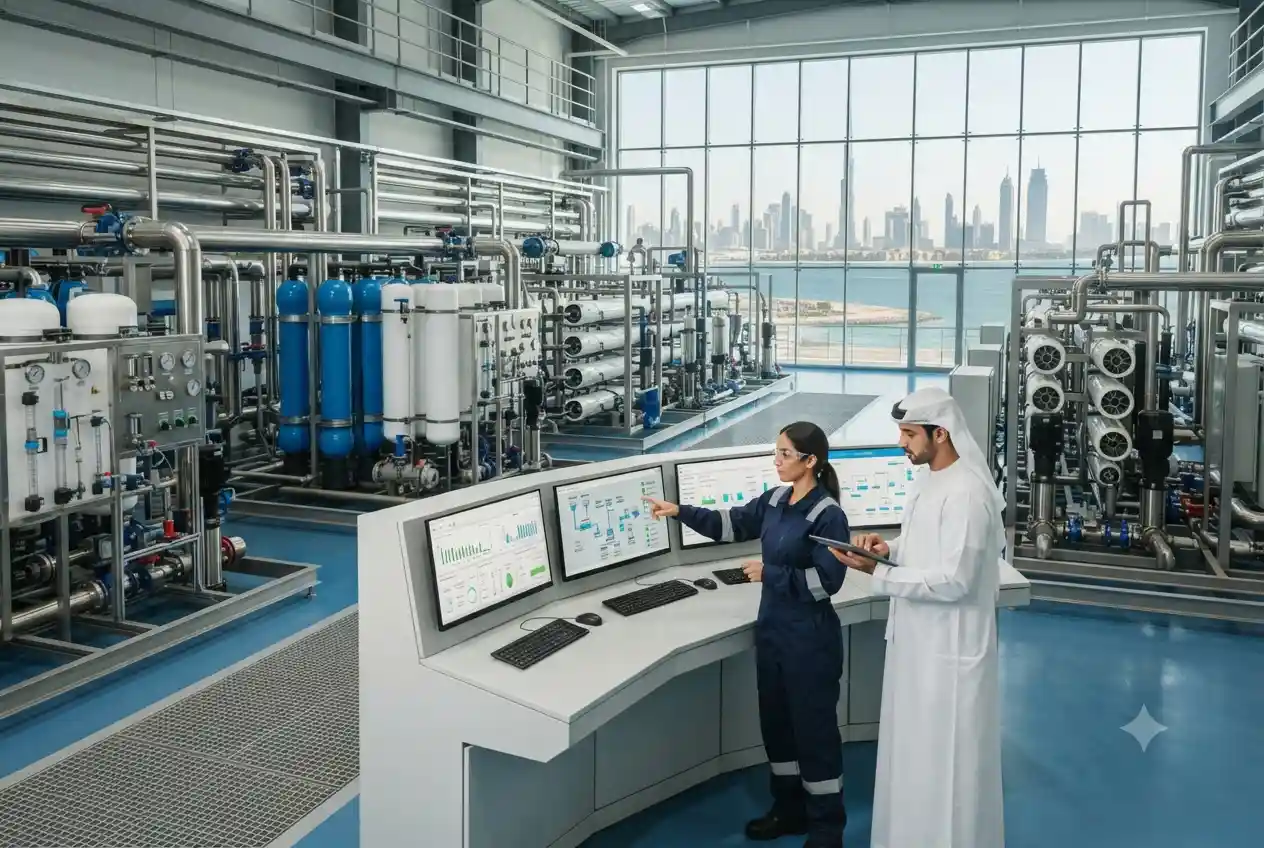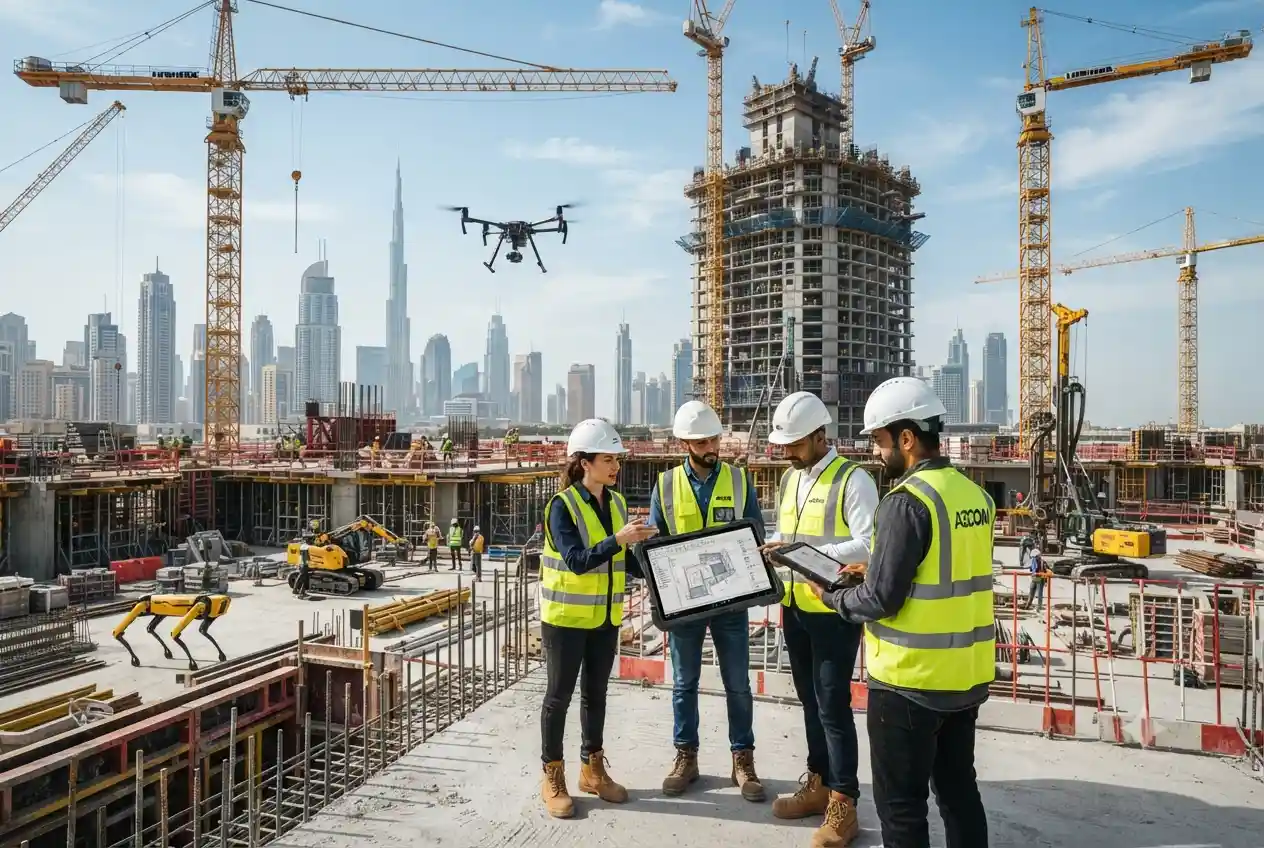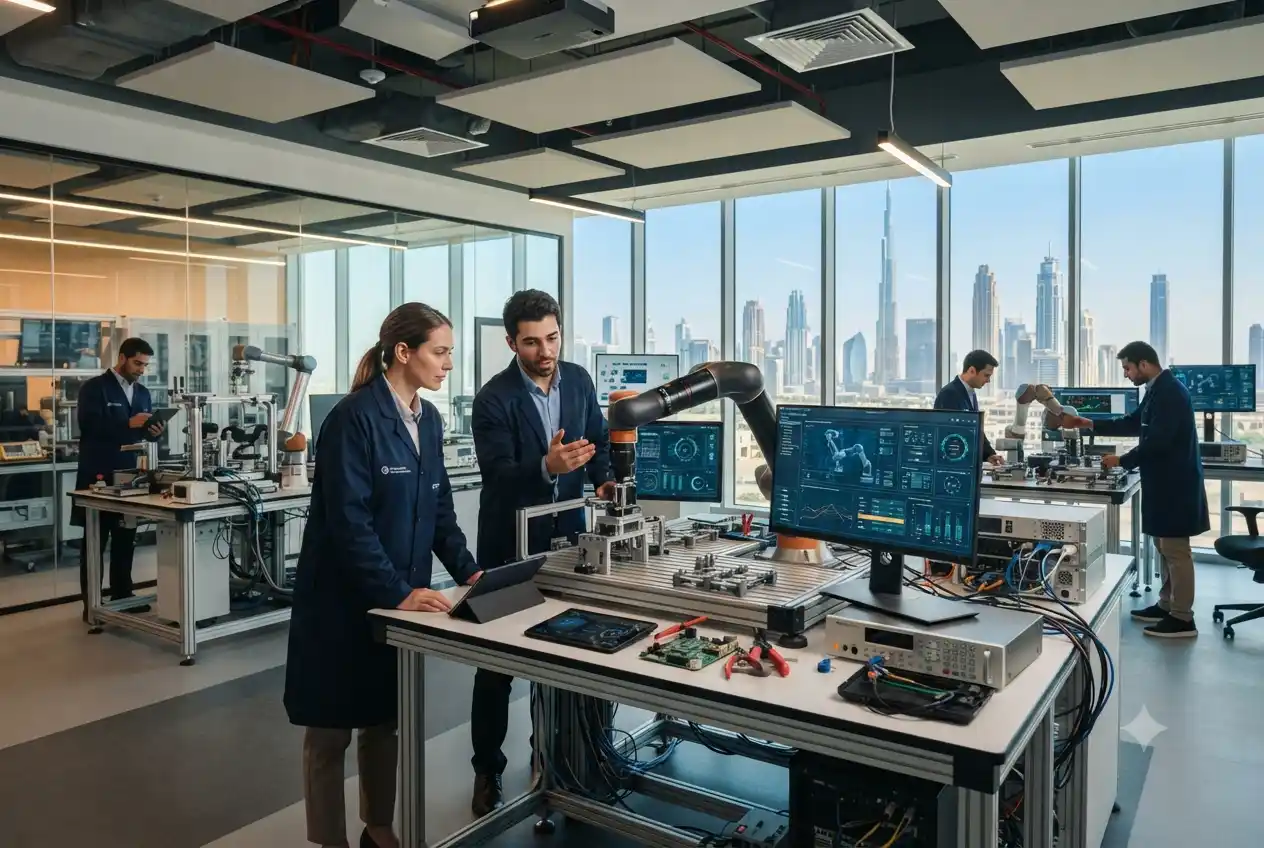
Oilfield technology has become a cornerstone of the UAE’s energy sector, enabling operators to improve efficiency, enhance safety, and maximize production while reducing operational costs. As global energy demands evolve, oil and gas companies are increasingly adopting advanced technologies such as artificial intelligence (AI), automation, digital monitoring, robotics, and predictive analytics to optimize exploration, drilling, production, and maintenance activities.
The UAE continues investing in technological innovation to strengthen its position as one of the world’s leading energy producers. Modern oilfield technologies not only improve productivity but also support environmental responsibility and long-term operational sustainability.
What Is Oilfield Technology?
Oilfield technology refers to the equipment, engineering methods, digital systems, and software used throughout the lifecycle of oil and gas operations. These technologies support exploration, drilling, well completion, production, transportation, monitoring, and equipment maintenance.
Common oilfield technologies include:
- Directional drilling systems
- Artificial intelligence and machine learning
- Industrial Internet of Things (IIoT)
- Remote monitoring platforms
- Digital twin technology
- Predictive maintenance software
- Robotic inspection systems
- Automated drilling controls
- Reservoir simulation software
- Advanced data analytics
Why Oilfield Technology Matters
Modern energy operations involve complex processes that require precision, safety, and real-time decision-making. Advanced technology enables operators to reduce downtime, improve equipment reliability, and optimize production while meeting regulatory and environmental requirements.
Key benefits include:
- Improved drilling accuracy
- Enhanced worker safety
- Reduced operational costs
- Better production efficiency
- Predictive equipment maintenance
- Lower environmental impact
- Improved asset management
Digital Transformation in the UAE Oil and Gas Sector
The UAE is actively adopting digital technologies to modernize oilfield operations. Intelligent sensors, cloud computing, and AI-powered analytics enable engineers to monitor equipment performance, detect anomalies, and make faster operational decisions.
Digital transformation also supports remote operations, allowing experts to oversee field activities from centralized control centers while reducing operational risks.
Artificial Intelligence in Oilfield Operations
Artificial intelligence plays an increasingly important role in exploration and production by analyzing large datasets and identifying patterns that would be difficult to detect manually.
AI applications include:
- Reservoir analysis
- Production forecasting
- Predictive maintenance
- Drilling optimization
- Safety monitoring
- Equipment performance analysis
These innovations complement broader developments in environmental technology, helping operators improve efficiency while reducing emissions and resource consumption.
Automation and Smart Oilfields
Smart oilfields use connected devices, sensors, and automation systems to improve operational visibility and control. Real-time data collection enables operators to monitor wells, pipelines, compressors, and production facilities continuously.
Benefits of smart oilfield systems include:
- Real-time equipment monitoring
- Reduced manual inspections
- Improved operational safety
- Faster fault detection
- Optimized production performance
- Lower maintenance costs
Predictive Maintenance
Rather than waiting for equipment failures, predictive maintenance uses machine learning and sensor data to identify potential issues before breakdowns occur. This approach helps reduce downtime while extending equipment lifespan.
Commonly monitored assets include:
- Drilling rigs
- Pumps
- Compressors
- Pipelines
- Generators
- Processing equipment
Oilfield Technology Companies
The UAE hosts numerous engineering and technology providers supporting upstream and downstream operations. Organizations searching for companies such as SMI Oilfield Technology and Products FZE, Gowell Oilfield Technology FZE, or Hydroserv Technology Oilfield Equipment LLC are often looking for specialized products, engineering services, drilling equipment, or industrial support solutions.
When selecting an oilfield technology partner, businesses should evaluate:
- Industry experience
- Technical certifications
- Health and safety standards
- Equipment quality
- After-sales support
- Compliance with international regulations
Cybersecurity for Connected Oilfields
As oilfield operations become more connected, protecting industrial control systems is increasingly important. Modern cybersecurity strategies include:
- Network segmentation
- Multi-factor authentication
- Continuous threat monitoring
- Secure remote access
- Industrial firewall protection
- Regular vulnerability assessments
Strong cybersecurity helps ensure reliable operations while protecting critical infrastructure.
The Future of Oilfield Technology
Emerging technologies are expected to further transform the energy industry through autonomous drilling systems, AI-assisted exploration, robotics, digital twins, carbon management technologies, and advanced data analytics.
These innovations also build upon advances in advanced technology, where automation, intelligent systems, and engineering excellence continue to shape the future of industrial operations.
Learn More About Energy Technology
Professionals interested in global developments in oil, gas, and energy innovation can explore technical resources from the Society of Petroleum Engineers (SPE), an international organization that publishes research, industry standards, and best practices for petroleum engineering.
To Sum Up
Oilfield technology is transforming the UAE’s energy sector by improving efficiency, enhancing safety, and enabling smarter operations through automation, artificial intelligence, and digital monitoring. As the industry continues embracing innovation, advanced technologies will play an increasingly important role in optimizing production while supporting environmental responsibility and sustainable growth. Businesses that invest in modern oilfield solutions today will be better prepared for the future of the global energy industry.