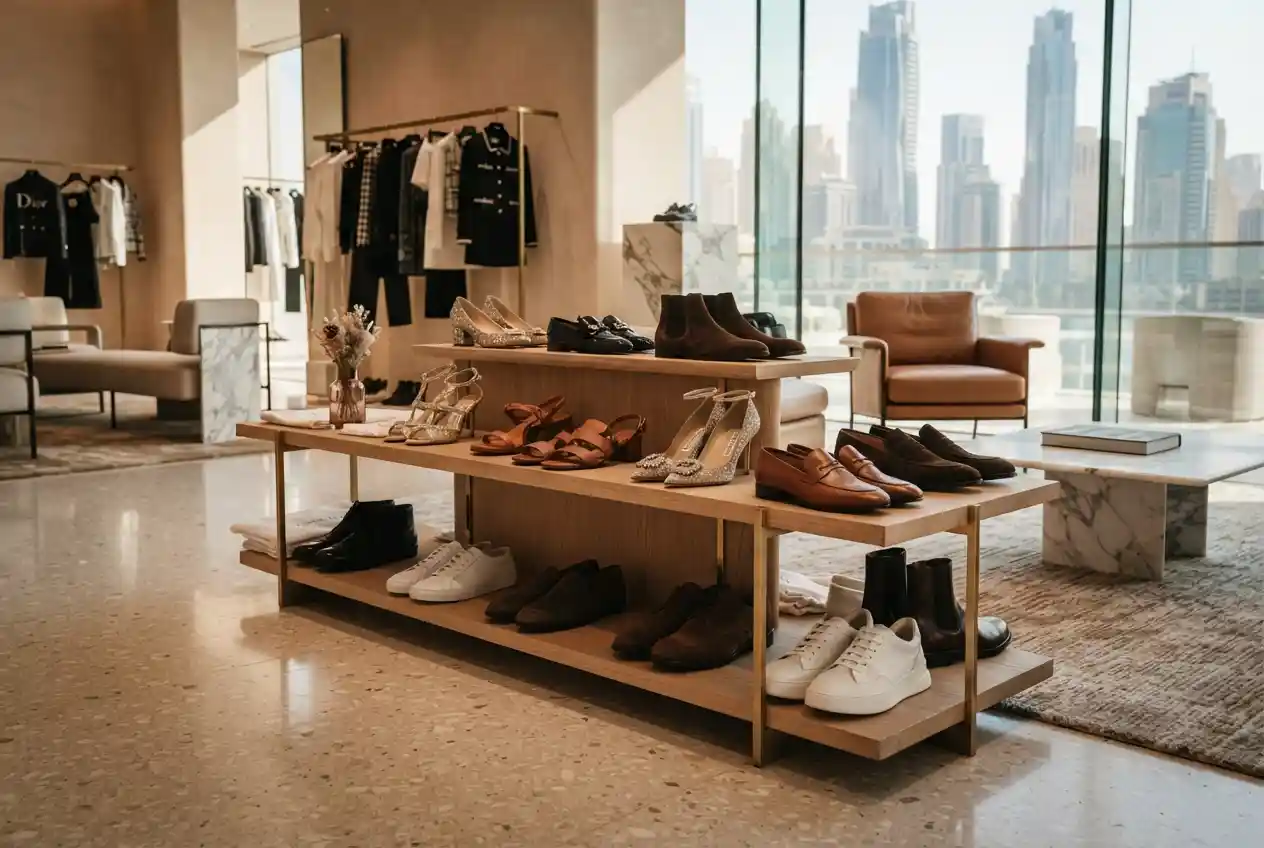









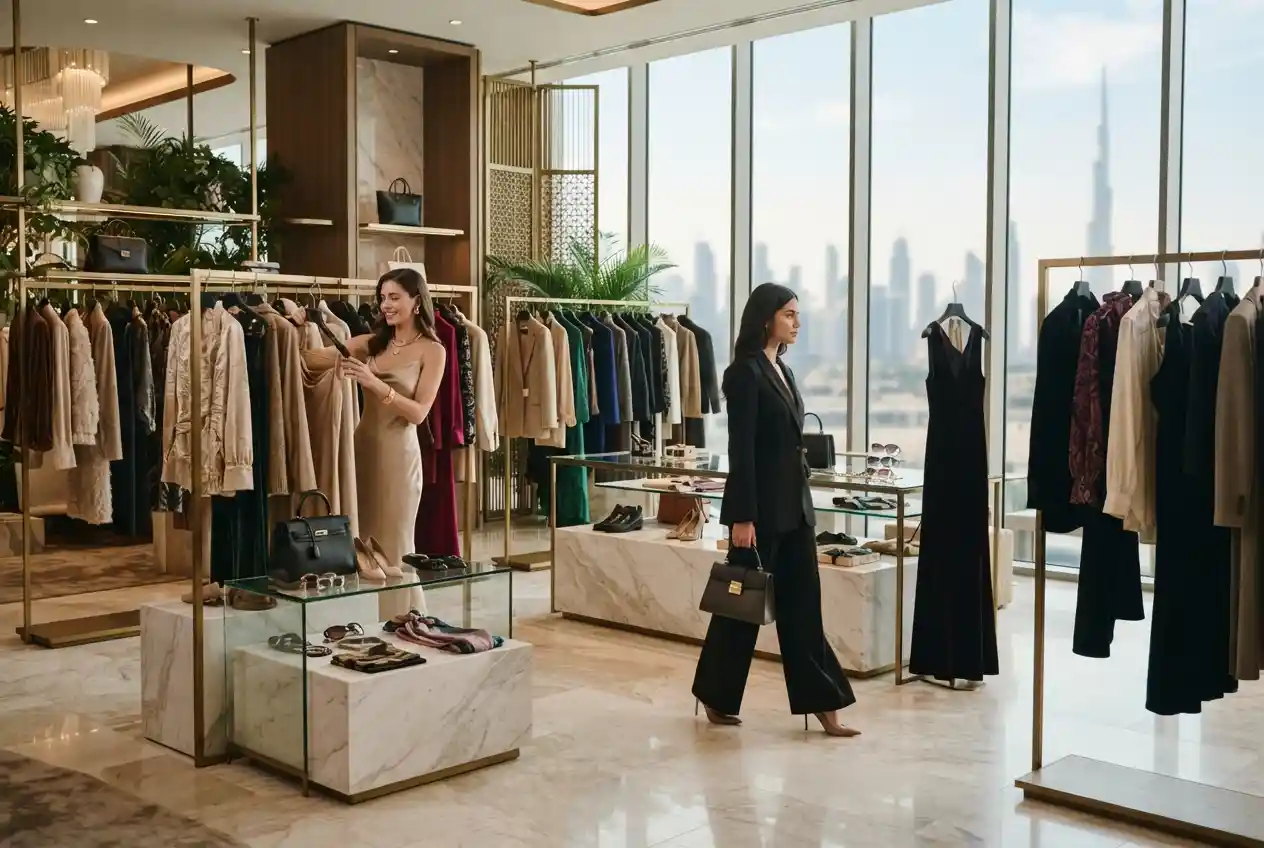
The UAE has become a highly visible market for fashion, particularly for luxury labels, designer collections, premium retail, emerging regional brands, and international fashion businesses. For shoppers, understanding the difference between luxury fashion brands and other segments can make it easier to evaluate quality, design, craftsmanship, pricing, and brand identity.
Dubai has a particularly diverse fashion environment. International luxury houses operate alongside regional designers, independent labels, concept stores, and newer fashion businesses. Dubai Design District describes itself as a hub where global, regional, and local brands across fashion, art, and design come together, while Dubai Fashion Week provides a platform for established and emerging designers.
The fashion market is not limited to luxury, however. Fast fashion, contemporary labels, modest fashion, independent designers, and digitally native brands all compete for attention. This creates opportunities for consumers and entrepreneurs alike, whether the goal is discovering a new wardrobe favourite or understanding what it takes to create a successful fashion label.
What Are Luxury Fashion Brands?
Luxury fashion brands generally position themselves around distinctive design, craftsmanship, brand heritage, premium materials, exclusivity, and a carefully controlled customer experience. Price is often higher than in mainstream fashion, but luxury positioning involves more than simply charging more for clothing.
A luxury brand may invest heavily in design development, specialist craftsmanship, materials, retail environments, packaging, storytelling, fashion shows, and brand communication. The overall experience is designed to create a strong perception of identity and value.
Some luxury houses have decades or even centuries of history, while newer brands may build luxury positioning around contemporary design, limited production, specialised craftsmanship, or a distinctive creative philosophy.
Why Luxury Fashion Has a Strong Presence in Dubai
Dubai combines international tourism, luxury retail, hospitality, entertainment, and a highly connected consumer market. These factors make the city an important environment for international and regional fashion brands.
Dubai Design District’s fashion ecosystem includes global and local brands, designers, creative professionals, and industry platforms. Dubai Fashion Week has also expanded its international profile, featuring designers and brands from different markets alongside UAE-based talent.
This creates a fashion environment where established luxury houses can operate alongside emerging labels. For consumers, it means there is an unusually broad choice of fashion aesthetics, price levels, and brand identities.
Luxury Fashion Brands vs Fast Fashion Brands
The difference between luxury fashion brands and fast fashion brands is not simply the price of a garment. The two models generally approach design, production, distribution, branding, and product cycles differently.
Luxury fashion often places greater emphasis on craftsmanship, brand heritage, exclusivity, creative direction, and premium materials. Collections may be produced in more controlled quantities and distributed through selected channels.
Fast fashion typically focuses on responding quickly to changing consumer demand, producing accessible styles, and maintaining frequent product turnover. Its commercial model prioritises speed, availability, and price accessibility.
Neither category represents a single standard of quality across every product. Consumers should evaluate individual garments, materials, construction, durability, and brand practices rather than assuming that a category alone guarantees quality.
How to Recognise a Luxury Fashion Brand
Brand positioning can be assessed through several factors. Look at the company’s history, design identity, materials, manufacturing information, retail presentation, creative direction, and consistency across collections.
Craftsmanship is another useful consideration. Examine stitching, fabric quality, finishing, hardware, lining, construction, and the way a garment holds its shape. A higher price should ideally be supported by a meaningful combination of design, materials, construction, brand value, or exclusivity.
Brand identity also matters. A recognisable luxury house often has visual characteristics that remain consistent while evolving from collection to collection.
Understanding Fashion Brand Logos
Fashion brand logos are an important part of visual identity. A logo can help consumers recognise a brand quickly, but successful branding goes beyond the symbol itself.
Typography, colours, photography, packaging, store design, website presentation, social media content, garment labels, and campaign styling all contribute to the way a fashion brand is perceived.
Luxury brands often use restrained visual systems because recognition can come from subtle details rather than large logos. Other brands deliberately use bold graphics and recognisable marks to create a stronger streetwear or contemporary identity.
For entrepreneurs, the important lesson is that a logo should support a broader brand strategy rather than carry the entire identity by itself.
Australian Fashion Brands to Know
The Australian fashion industry has produced designers and labels with distinctive approaches to tailoring, resortwear, contemporary clothing, occasionwear, and minimalist design. Consumers interested in international fashion can explore australian fashion brands as another perspective outside the traditional European luxury market.
Australian labels can be particularly interesting because the country’s fashion culture has developed around a combination of relaxed dressing, strong resort and coastal influences, contemporary tailoring, and an increasingly international outlook.
When researching the best australian fashion brands, it is better to focus on the characteristics you value rather than relying on a single ranking. Some shoppers may prioritise craftsmanship, others may prefer modern tailoring, sustainable approaches, occasionwear, or everyday contemporary clothing.
Why Australian Fashion Can Appeal to UAE Shoppers
Australian fashion can offer a useful contrast to highly formal European luxury. Many Australian labels combine polished design with practical silhouettes and a relaxed attitude.
That variety can appeal to UAE consumers looking for pieces suitable for different settings, including travel, resort destinations, casual occasions, and contemporary social events.
However, climate and lifestyle should always influence purchasing decisions. In the UAE, breathable fabrics, lightweight construction, versatile layering, and appropriate silhouettes can be more practical than simply following a seasonal trend from another market.
Luxury Fashion and Regional Design
Dubai’s fashion landscape is increasingly international, but regional identity remains important. Designers from the UAE and wider Middle East often combine contemporary silhouettes with cultural references, craftsmanship, embroidery, and distinctive approaches to modest dressing.
This creates opportunities for brands that can connect global fashion language with regional preferences. Dubai Fashion Week has featured a mix of international and UAE-based designers, demonstrating the increasingly diverse range of voices appearing on the city’s fashion calendar.
The result is a market where a fashion brand does not necessarily need to imitate established European luxury houses to appear premium. A strong regional identity can itself become a competitive advantage.
Building a Fashion Brand in the UAE
Building a fashion brand requires more than designing attractive clothes. Entrepreneurs need to define their target customer, product category, pricing position, brand identity, sourcing strategy, production model, sales channels, and marketing approach.
Start with a clear question: who is the brand for? A label designed for luxury eveningwear will require a very different strategy from a casual streetwear brand or a modest everyday-wear label.
Next, develop a clear product concept. Determine what makes the collection different and why a customer would choose it instead of an established competitor.
Define the Brand Positioning
Decide whether the brand is positioned as luxury, premium contemporary, accessible fashion, streetwear, modest fashion, occasionwear, sustainable fashion, or another category. Trying to appeal to everyone can make the brand difficult to understand.
Develop a Distinctive Visual Identity
Create a consistent visual system covering the logo, typography, photography, packaging, website, social media, and physical presentation. The identity should reflect the product and target audience.
Start With a Focused Collection
A small, coherent collection can be easier to manage than launching too many unrelated products. Focus on a strong concept and make sure the pieces work together.
Understand Production
Research fabrics, suppliers, sampling, manufacturing, quality control, minimum order quantities, packaging, shipping, and returns. Production decisions can significantly influence the economics of a fashion business.
Build a Strong Digital Presence
Fashion is highly visual, making photography and digital presentation particularly important. Professional product photography, campaign imagery, social media content, and a well-designed online store can help communicate the brand’s identity before a customer ever handles the product.
Why Fashion Photography Matters to Luxury Brands
Luxury positioning depends heavily on visual communication. The same garment can appear ordinary or premium depending on styling, lighting, location, composition, model selection, and photography.
For a new label, investing in professional creative production can therefore be important. A well-produced campaign can communicate the brand’s intended market position and create consistency across its website, social channels, press material, and advertising.
This connects directly with the wider UAE fashion ecosystem, where designers, photographers, stylists, models, creative directors, and production teams collaborate on campaigns and runway presentations.
Luxury Fashion Brands and Dubai Fashion Week
Dubai Fashion Week has become an important platform for showcasing both regional and international fashion talent. Recent editions have featured established designers, emerging labels, ready-to-wear brands, couture collections, and international fashion houses.
In February 2026, for example, the Autumn/Winter 2026/27 programme included an appearance by Italian luxury house Alberta Ferretti, alongside a diverse group of international and regional designers.
These events demonstrate how Dubai’s fashion scene increasingly functions as a meeting point between established global fashion and emerging regional creativity.
How Consumers Can Shop Luxury Fashion More Thoughtfully
Luxury shopping is often emotional, but a little research can make purchases more rewarding. Before buying, consider whether the garment fits your existing wardrobe, whether the construction matches the price, and whether you genuinely like the design independently of its brand name.
Check materials and care requirements. Some luxury pieces require specialised cleaning or careful storage. Understanding these requirements can help you determine whether the item suits your lifestyle.
Authenticity is another important consideration. When purchasing expensive fashion, use established retailers, official brand channels, or reputable authorised sellers where possible. Be cautious when a product is offered at a price that appears unusually low compared with normal market pricing.
Luxury Fashion vs Building Your Own Label
Consumers who enjoy studying luxury fashion may eventually become interested in creating their own brand. The two experiences are very different.
Buying luxury fashion is primarily about evaluating products and brand value. Building a brand involves product development, financial planning, sourcing, manufacturing, marketing, customer service, distribution, and long-term brand management.
Entrepreneurs can learn from established luxury houses without copying them. Study how successful brands maintain consistency, develop signature elements, communicate their values, and create a recognisable customer experience.
Where Emerging Brands Fit Into the UAE Market
The presence of international luxury houses does not mean there is no room for new brands. In fact, Dubai’s fashion ecosystem actively showcases emerging and regional designers alongside established names.
Recent Dubai Fashion Week programmes have included UAE-based labels and designers alongside international participants, creating opportunities for different creative perspectives to reach buyers, media, and fashion audiences.
For an emerging brand, the challenge is to establish a clear reason for customers to pay attention. Distinctive design, reliable quality, strong storytelling, consistent branding, and an understanding of the target market can help a new label compete for attention.
In Summary
The world of luxury fashion brands is much broader than a list of famous names. Luxury is built through a combination of design, craftsmanship, materials, brand identity, storytelling, customer experience, and consistency.
Dubai offers an especially diverse environment in which international luxury houses, fast fashion retailers, regional designers, and emerging labels can operate within the same broader fashion ecosystem. Its fashion calendar and creative districts also provide platforms for designers to connect with audiences, buyers, and industry professionals.
For shoppers, the best approach is to evaluate fashion based on quality, design, versatility, and personal preference rather than relying entirely on logos. For entrepreneurs, the opportunity lies in developing a distinctive brand with a clear customer, strong products, and a consistent identity.
Whether you are interested in global luxury, Australian fashion, fast fashion, or building a label of your own, understanding how fashion brands create value can help you make more informed choices in the UAE’s evolving fashion market.